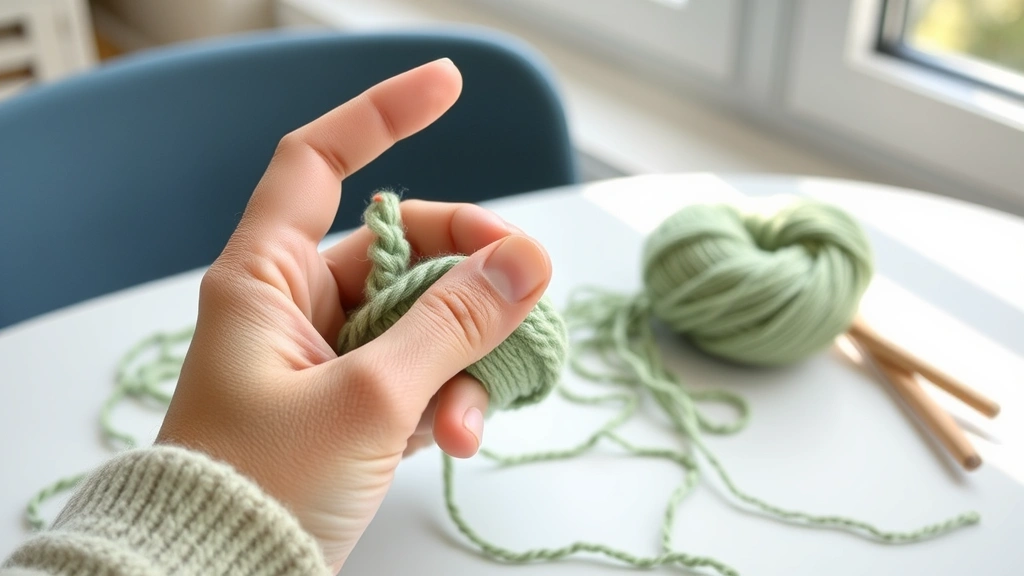
You know that feeling when you’re halfway through a gorgeous blanket project and suddenly realize your edges look like they were crocheted by someone wearing oven mitts? I’ve been there more times than I care to admit. Keeping consistent tension while crocheting isn’t just about making your work look professional – it’s about preventing hand cramps, avoiding wonky stitches, and actually enjoying the process instead of fighting with your yarn every step of the way.
When I first started crocheting, my tension was all over the place. My single crochet stitches looked like they were having an identity crisis – some tight enough to stop traffic, others so loose you could drive a truck through them. It wasn’t until I learned a few key techniques that everything clicked into place.
The truth is, consistent tension isn’t something that happens overnight. It’s a skill that develops with practice, but there are definitely ways to speed up the learning process. Whether you’re struggling with your first granny square blanket or you’re an experienced crocheter looking to refine your technique, getting your tension right will transform your crochet experience.
Quick Answer
Consistent crochet tension comes from proper yarn hold, relaxed grip, and regular gauge checking. Practice the same stitch repeatedly, keep your shoulders relaxed, and adjust your yarn feed rather than squeezing your hook tighter.
Understanding What Tension Really Means
Let’s clear up a common misconception right away: tension in crochet isn’t about how tightly you grip your hook or yarn. It’s about creating consistent loops and maintaining even spacing between your stitches. Think of it like handwriting – you want each letter (or stitch) to be roughly the same size and shape.
Good tension creates stitches that are neither too tight nor too loose. When your tension is consistent, your double crochet stitches will all be the same height, your single crochets will line up evenly, and your finished projects will have that polished, professional look we’re all after.
I like to explain tension using the goldilocks principle – not too tight, not too loose, but just right. Tight stitches make it difficult to insert your hook for the next row and can cause your work to pucker. Loose stitches create gaps and make your fabric floppy and unstable.
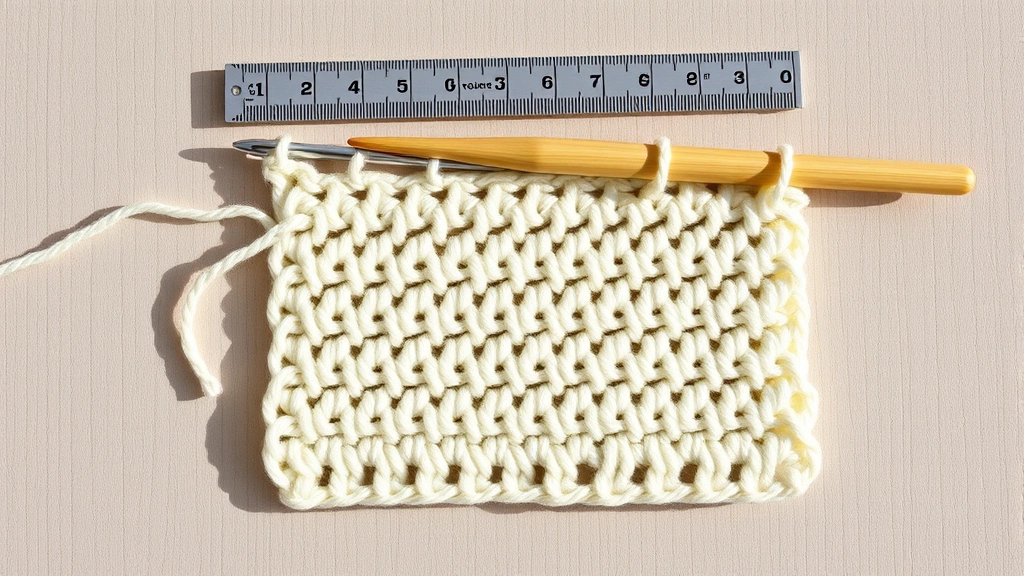
Pro Tip: Your gauge swatch is your best friend for checking tension. If you’re getting more stitches per inch than the pattern calls for, your tension is too tight. Fewer stitches means you’re working too loosely.
The Craft Yarn Council recommends always checking your gauge before starting any project, and I couldn’t agree more. This simple step will save you hours of frustration later.
Master Your Yarn Hold
How you hold your yarn makes a massive difference in your tension consistency. There are several popular methods, but I’m going to share the ones that work best for most crocheters.
The Index Finger Wrap Method
This is my go-to method and works great for most yarn weights. Wrap the working yarn around your index finger, then weave it under your middle finger and over your ring finger. Your pinky acts as a tension guide. This gives you excellent control while allowing the yarn to flow smoothly.
When I’m working on chunky yarn projects, I sometimes skip the ring finger wrap because the thicker yarn naturally provides more resistance. For fingering weight or lace yarns, I might add an extra wrap around my pinky for more control.
The Pinky Hook Method
Some crocheters prefer to hook the yarn around their pinky, then thread it over their ring finger, under the middle finger, and over the index finger. This method works particularly well if you tend to crochet with loose tension naturally.
Remember, there’s no “wrong” way to hold your yarn as long as you can maintain consistent tension. I’ve seen crocheters create beautiful work using methods I’d never heard of before.
Finding Your Sweet Spot
The key is finding a yarn hold that feels comfortable after 20-30 minutes of crocheting. Your hand shouldn’t feel cramped or strained. If you’re getting hand fatigue quickly, try loosening your grip or adjusting where the yarn sits on your fingers.
| Yarn Weight | Recommended Hold | Why It Works |
|---|---|---|
| Lace/Fingering | Index wrap + pinky anchor | Extra control for delicate yarn |
| DK/Worsted | Standard index wrap | Balanced control and flow |
| Chunky/Bulky | Simplified wrap | Less resistance needed |
Hook Grip That Actually Works
Your hook grip is just as important as your yarn hold. I see a lot of new crocheters gripping their hook like they’re trying to strangle it, which leads to hand cramps and inconsistent stitches.
Hold your hook like you’d hold a pencil – firm enough to maintain control, but relaxed enough that someone could easily slide it out of your hand. Your thumb and index finger do most of the work, while your other fingers provide gentle support.
The hook should rest in the web between your thumb and index finger, not pressed against your palm. This gives you better control and reduces hand fatigue during longer baby blanket projects or marathon crochet sessions.
Hook Size and Tension Relationship
Here’s something that took me way too long to figure out: sometimes tension problems aren’t about technique – they’re about using the wrong hook size. If you’re consistently getting tight stitches despite relaxing your grip, try going up a hook size. Conversely, if your stitches are too loose, a smaller hook might be the answer.
I keep a range of hook sizes handy when starting new projects. My Lion Brand worsted weight yarn might work perfectly with a 5.5mm hook, but my Red Heart Super Saver in the same weight category might need a 5mm for the same gauge.
Body Position and Posture
This might sound silly, but how you sit makes a huge difference in your tension consistency. I used to hunch over my work, which created tension in my shoulders that transferred right down to my hands and affected my stitches.
Sit up straight with your shoulders relaxed. Your elbows should be at roughly 90 degrees, and your work should be at a comfortable height – you shouldn’t be craning your neck down or holding your arms up unnaturally high.
Good lighting is crucial too. When you’re squinting to see your stitches, you naturally tense up, which throws off your tension. I invested in a good daylight lamp for my crochet corner, and it made a world of difference.
Comfort Check: Every 20-30 minutes, take a moment to check in with your body. Are your shoulders creeping up toward your ears? Is your grip getting tighter? A quick stretch and reset can keep your tension consistent.
Tension Building Exercises
Like any skill, consistent tension improves with targeted practice. Here are my favorite exercises that actually work:
- The Chain Challenge
Make a foundation chain of 50 stitches, focusing on making each chain the same size. This sounds boring, but it’s incredibly effective for developing muscle memory. Use a medium-weight yarn like worsted and a size H/8 (5mm) hook.
- Single Crochet Squares
Create 4-inch squares using only single crochet. Make five squares, then compare them. They should be the same size and have the same number of stitches per row. This exercise helps you maintain consistency across longer stretches of work.
- Stitch Height Practice
Work a swatch alternating between single crochet, half double crochet, and treble crochet in the same row. Focus on making each stitch the appropriate height relative to the others. This builds your intuitive understanding of proper tension for different stitches.
I recommend practicing for 15-20 minutes at a time rather than marathon sessions. Your hands need time to develop the muscle memory, and fatigue leads to inconsistent tension.
Using Different Yarn Types
Practice with various yarn textures and weights. Cotton yarn like Bernat Handicrafter Cotton behaves very differently from acrylic or wool. The more yarn types you practice with, the better you’ll become at adjusting your tension automatically.
When working on amigurumi projects, you’ll need tighter tension to prevent stuffing from showing through. For lacy shawl patterns, you’ll want looser tension to create the proper drape.
Common Problems and Solutions
Let’s tackle the most common tension issues I see in my crochet groups:
Tight First Chain
If your foundation chain is so tight you can barely get your hook through it, try chaining with a hook one or two sizes larger, then switching to your project hook for the first row. This gives you a more workable foundation without affecting your overall gauge.
Loose Edge Stitches
Edge stitches often end up looser than the rest of your work because there’s less yarn resistance at the ends. Give your working yarn a gentle tug after completing each edge stitch to snug it up slightly.
Inconsistent Row Height
This usually happens when your turning chains are inconsistent. Count your turning chains every time until it becomes automatic. For single crochet, chain 1 and turn. For double crochet, chain 3 and turn. Stick to these standards religiously.
Don’t get discouraged if your tension isn’t perfect right away. I’ve been crocheting for over a decade, and I still occasionally have to frog a few rows when my tension gets wonky.
Mid-Project Tension Changes
Sometimes your tension shifts during a project – maybe you’re more relaxed after a few rows, or you’re getting tired. When I notice this happening, I take a break and do a quick gauge check on my work so far. If needed, I’ll adjust my hook size for the remaining sections.
Maintaining Consistency in Long Projects
Large projects like afghans or king-size blankets present unique challenges for maintaining consistent tension. Here’s what works for me:
First, try to crochet at the same time of day when possible. I’m more relaxed in the evening, which affects my natural tension. If I start a project in the evening, I try to continue working on it in the evenings to maintain consistency.
Second, keep notes about your project. I write down which hook size I’m using, what yarn lot numbers I’m working with, and even how I’m feeling that day. It sounds obsessive, but it helps me troubleshoot if something looks off later.
For really large projects, I measure my work regularly. Every few inches, I’ll lay a ruler across my work to make sure the width is consistent. It’s much easier to adjust as you go than to fix problems after completing several sections.
Project Bag Tip: Keep everything for one project in the same bag – yarn, hook, pattern, and notes. This helps maintain consistency because you’re not hunting for the right hook size or wondering which yarn you were using.
When working on complex patterns like cable crochet, I do a few practice motifs before starting the actual project. This helps me get into the rhythm and establish consistent tension before committing to the final piece.
Common Questions
How long does it take to develop consistent tension?
Most crocheters see significant improvement within 2-3 weeks of regular practice (about 30 minutes per day). However, truly consistent tension develops over several months. Don’t rush the process – focus on building good habits rather than speed.
Should my tension be the same for all stitch types?
Not exactly. Taller stitches like double and triple crochet naturally need slightly looser tension to maintain proper proportions. Single crochet and slip stitches work best with firmer tension. The key is consistency within each stitch type.
Why does my tension change when I switch yarn colors?
Different dye lots and yarn textures can feel different in your hands, causing unconscious tension adjustments. Some colors (especially dark ones) are harder to see, which can make you tense up. Practice with various colors to build adaptability.
Is it normal for my hands to get tired when focusing on tension?
Yes, especially when you’re consciously working on improving your technique. Take regular breaks and do gentle hand stretches. If pain persists, you might be gripping too tightly or need to adjust your yarn hold.
How do I know if my tension is too tight or too loose?
Too tight: difficulty inserting your hook, fabric that doesn’t drape naturally, hand cramping. Too loose: visible gaps between stitches, fabric that’s too stretchy or floppy, stitches that are hard to count. Aim for stitches that are snug but not rigid.
Should I use the same tension for amigurumi as regular projects?
No, amigurumi typically requires tighter tension to prevent stuffing from showing through. Use a hook one or two sizes smaller than recommended for the yarn weight, and keep your stitches snug but not so tight that your hook gets stuck.
Can ergonomic hooks help with tension consistency?
Absolutely. Ergonomic hooks with comfortable grips can reduce hand fatigue, which often leads to tension inconsistencies. If you find yourself gripping your hook too tightly, an ergonomic handle might be worth trying.
How do I maintain consistent tension when crocheting in different positions?
Practice your yarn hold and hook grip in different positions – sitting upright, in a recliner, or even standing. Your muscle memory needs to work regardless of your position. Start with shorter practice sessions in each position until it feels natural.
Developing consistent crochet tension isn’t about perfection – it’s about creating beautiful, even fabric that you’re proud to share or gift. Remember that every crocheter’s natural tension is different, and that’s perfectly fine. What matters is finding your personal consistency and maintaining it throughout your projects.
The techniques I’ve shared here have helped thousands of crocheters improve their work, but don’t feel like you need to implement everything at once. Pick one or two areas to focus on, practice regularly, and be patient with yourself. Your future self will thank you when you’re creating stunning pieces with beautifully even stitches.
Now grab your favorite yarn and hook, and start practicing. Those consistent, professional-looking stitches are closer than you think!