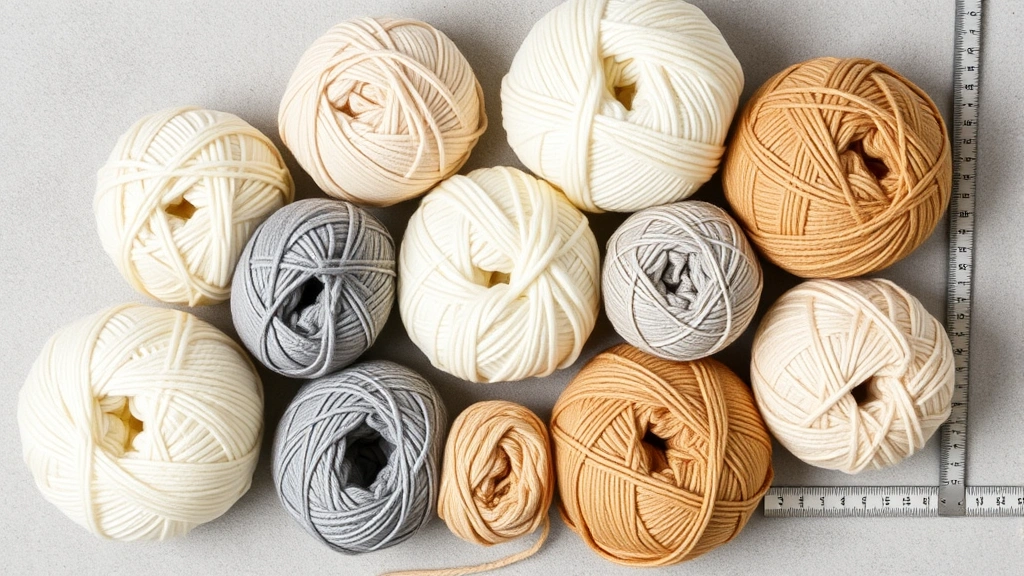
Crochet Yarn Weight Guide: Choosing the Right Yarn for Your Projects
Let’s be real—walking into a yarn store or scrolling through online options can feel completely overwhelming. There are so many weights, fibers, and brands to choose from, and honestly, picking the wrong yarn can totally derail a project you’re excited about. I’ve been there, staring at a wall of yarn thinking, “Which one actually goes with my pattern?” The good news? Understanding yarn weight isn’t some mysterious craft secret. It’s actually pretty straightforward once you know what to look for, and I’m here to walk you through it like we’re just chatting over coffee.
Yarn weight is basically the thickness of the yarn strand, and it determines how quickly your project works up, how drape-y your finished piece will be, and honestly, how much fun you’ll have making it. When you match the right weight to your pattern, everything clicks into place. Your stitches look balanced, your projects finish in a reasonable timeframe, and you’re not wrestling with yarn that’s either too chunky or frustratingly thin. Let me break down everything you need to know so you can confidently pick yarn for literally any project.
Understanding the Yarn Weight System
The Craft Yarn Council established a standardized yarn weight system to make our lives easier, and honestly, it’s one of the best things that ever happened to crocheters. Instead of vague descriptions like “medium” or “thick,” we now have a numbered system from 0 to 7 that tells you exactly what you’re working with. Think of it like a universal language—no matter which brand you’re buying or which country you’re in, yarn weight means the same thing.
Yarn weight is measured by how many yards of yarn you get per pound, or sometimes by the number of stitches you’d get in a 4-inch gauge swatch with a recommended hook size. The heavier the yarn (thicker strands), the fewer yards per pound you’ll have, and vice versa. This matters because it affects everything from how much yarn you need for a project to how long it’ll take you to finish. A chunky blanket might take a weekend, while a lacy shawl in fingering weight could take weeks—and that’s totally okay if you know what you’re signing up for.
When you’re looking at a pattern, you’ll see a yarn weight recommendation right at the top. That’s not a suggestion—it’s basically the pattern designer saying, “This is what I tested this with, and it’s going to look and feel best at this weight.” Now, can you substitute? Sometimes, yes. But we’ll get into that later because there are definitely some important things to keep in mind.
The Seven Standard Yarn Weights Explained
Lace (0): This is the delicate, gossamer stuff. We’re talking fingering weight or thinner—you might get 400+ yards per 50 grams. Lace yarn is perfect for intricate shawls, doilies, and anything you want to be absolutely see-through and ethereal. Honestly, working with lace weight requires patience and good lighting, but the finished pieces are absolutely stunning. Most lace projects use tiny hooks (size 0000 to 2) and take time, but that’s part of the meditative magic.
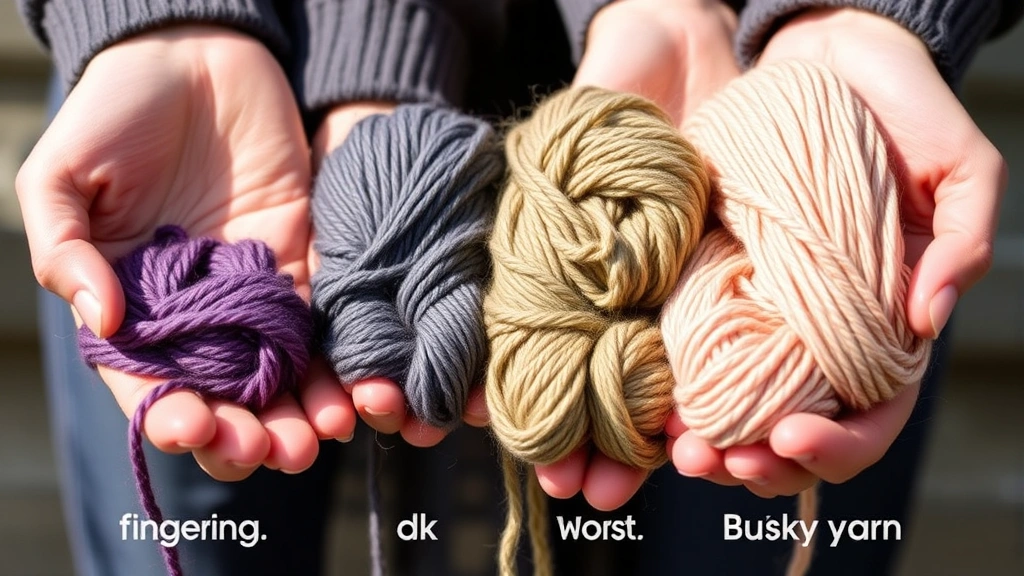
Fingering (1): Fingering weight is what you’ll reach for when you want something delicate but still workable. You’re looking at around 350–400 yards per 50 grams. It’s perfect for socks, shawls, and detailed garments where you want beautiful stitch definition. The gauge is typically tight (around 7–9 stitches per inch), so your projects take longer, but you get incredible detail. This is where a lot of colorwork shines because the stitches are small enough to really show off intricate patterns.
Sport (2): Sport weight sits right in that sweet spot between fingering and DK. You’ll get around 300–350 yards per 50 grams, and it works up at roughly 6–7 stitches per inch. Sport weight is fantastic for lightweight garments, baby items, and projects where you want a nice drape without too much bulk. It’s honestly underrated—I find myself reaching for sport weight a lot because it’s fast enough to be satisfying but detailed enough to show off stitch patterns beautifully.
DK (3): DK (double knitting) is probably one of the most popular weights, and for good reason. You’re getting around 250–300 yards per 50 grams, and the gauge is typically 5–6 stitches per inch. DK weight is incredibly versatile—you can make garments, blankets, toys, you name it. It’s not so chunky that it feels heavy, but it’s not so thin that you need patience of a saint. A lot of modern patterns are written for DK because it’s accessible and works up at a nice pace.
Worsted (4): This is the classic, the reliable, the weight your grandma probably used. Worsted weight gives you around 180–200 yards per 50 grams and a gauge of roughly 4–5 stitches per inch. It’s thick enough that projects move along quickly, but not so chunky that you lose stitch definition. Worsted is perfect for blankets, afghans, hats, and anything where you want durability and warmth. It’s also usually the most affordable, which doesn’t hurt when you’re making something big.
Bulky (5): Now we’re talking chunky. Bulky weight gives you around 120–150 yards per 50 grams with a gauge of 3–4 stitches per inch. These projects work up fast—like, sometimes embarrassingly fast—which makes them perfect when you want a quick win or you’re making gifts and need to produce them quickly. The downside is that stitch patterns can get a bit lost, and the yarn can feel heavy. But for blankets, scarves, and cozy stuff, bulky is your friend.
Super Bulky (6): Super bulky is for when you want maximum impact with minimum time. You’re looking at 60–100 yards per 50 grams and a gauge of 2–3 stitches per inch. These projects literally fly off your hook. The trade-off is that you need thicker yarn to maintain structure, and stitch patterns are basically non-existent—you’re relying on the yarn’s texture and color. But if you want a chunky blanket done in a weekend? Super bulky is your answer.
Jumbo (7): Jumbo is the big daddy of yarn weights—you might only get 30–50 yards per 50 grams. We’re talking arm knitting thickness. Projects work up insanely fast, but you’re really limited in what you can make. A small blanket or a statement piece is about it. Jumbo is more novelty than everyday, but when you want something dramatic and quick, it delivers.
How to Find Yarn Weight Information
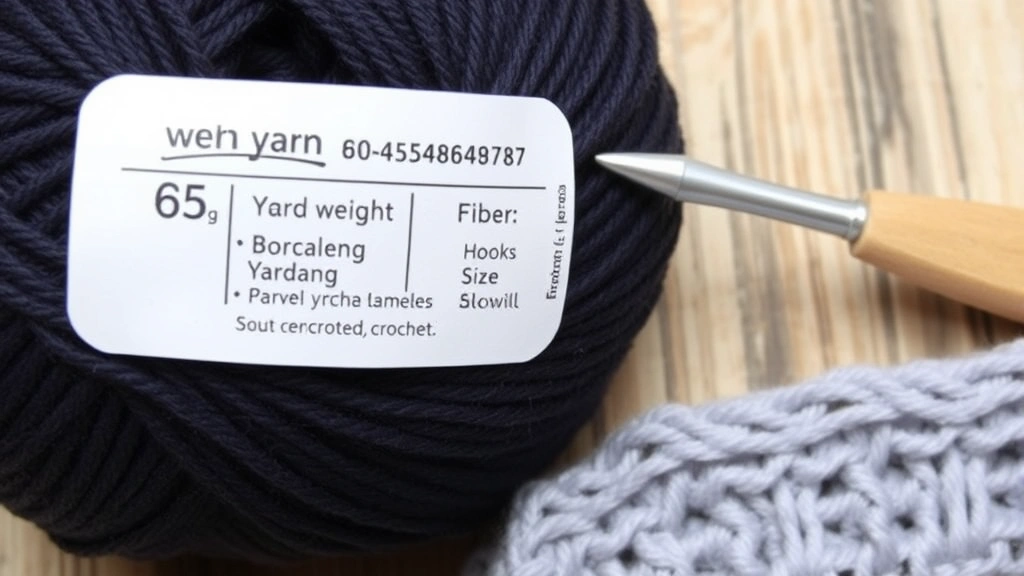
Every yarn label tells you the weight, and honestly, once you know where to look, it’s super easy to spot. The label should have a number and name—like “4 Worsted” or “DK 3″—usually right near the yardage information. Some brands also include a little symbol with a number in a skein, which is the universal yarn weight indicator. That symbol is super helpful when you’re scrolling online and can’t hold the yarn in your hands.
The label also tells you yards per ball or skein, fiber content, care instructions, and usually a recommended hook size and gauge. The gauge is important because it tells you how many stitches and rows you’d get in a 4-inch square with the recommended hook. When you’re matching yarn to your pattern, this gauge information is gold.
If you’re shopping online, the product description should clearly state the weight. If it doesn’t, that’s a red flag—reach out to the seller and ask. There’s no shame in wanting clear information before you buy. Reputable yarn brands like Yarnspirations and Ravelry make this super easy because they’ve got all the details right there.
Matching Yarn Weight to Your Pattern
Here’s the golden rule: always use the yarn weight your pattern calls for, especially if you’re new to crochet. I know it’s tempting to think, “Oh, I have this beautiful worsted weight, and the pattern calls for DK—I’ll just use a smaller hook!” But here’s the thing—that changes your gauge, which changes the finished size, drape, and overall look of your project. You might end up with something that’s completely different from what you intended.
When you’re reading a pattern, the yarn weight recommendation is right at the top, usually in a specs section. It might say something like “Yarn: Worsted weight, 600 yards total.” That’s your blueprint. The pattern designer tested it with that specific weight, and they’re telling you what worked best. Sometimes they’ll even say, “This pattern is versatile and works with DK through bulky weight,” which gives you some flexibility. But if there’s no mention of substitution, stick with what they recommend.
If you absolutely must substitute, you need to understand how fiber content affects the final product. A worsted weight acrylic will behave differently than a worsted weight wool, even though they’re technically the same weight. Acrylic is less stretchy and holds its shape better, while wool is more forgiving and has more give. Your project might still work, but it’ll feel different.
Fiber Content and How It Affects Weight
Here’s something that trips a lot of people up: yarn weight and fiber content are two different things, but they’re totally connected. Weight tells you the thickness; fiber tells you what it’s made of. And what it’s made of affects how it performs, how it feels, and how your finished project will hold up.
Acrylic: Acrylic is affordable, durable, and comes in literally every color imaginable. It doesn’t stretch as much as natural fibers, so your projects hold their shape beautifully. The downside? It can feel plasticky, it doesn’t breathe as well, and it can pill if you’re not careful. But for blankets, amigurumi, and items that need to last through heavy use, acrylic is fantastic.
Wool: Wool is warm, elastic, and has this beautiful natural texture that’s hard to replicate. It’s perfect for garments because it stretches and moves with your body. The catch is that it requires special care (usually hand-washing), and some people are sensitive to it. But if you’re making something to keep for years, wool is worth the extra care.
Cotton: Cotton is breathable and perfect for summer items, dishcloths, and anything you want to wash frequently. It’s heavier than wool or acrylic, so your projects feel more substantial. The trade-off is that cotton doesn’t have much stretch, so garments can feel stiff. But for structured items and things that need durability, cotton is gold.
Blends: A lot of modern yarn is a blend—like 50% wool, 50% acrylic, or 70% cotton, 30% nylon. Blends give you the best of both worlds: the warmth and elasticity of wool with the durability and affordability of acrylic. Honestly, blends are often the sweet spot for everyday crochet projects.
When you’re choosing yarn, think about what the finished project needs to do. A baby blanket? Cotton or a soft acrylic blend. A winter hat? Wool or a wool blend. A dishcloth that’ll get washed constantly? Cotton. The weight tells you how fast it’ll work up; the fiber tells you how it’ll perform. Both matter.
Common Mistakes and How to Avoid Them
Mistake 1: Ignoring Gauge: You find a gorgeous pattern, you have yarn in the right weight, but you skip the gauge swatch. Then your finished project is either huge or tiny, and you’re frustrated. Here’s the thing—checking your gauge takes 15 minutes and saves you hours of rework. Make the swatch. It’s not extra; it’s essential.
Mistake 2: Substituting Without Testing: You swap worsted for bulky, or sport for DK, without actually making a test swatch. Your project comes out looking nothing like the pictures, and you’re disappointed. If you’re going to substitute, make a small swatch first. See how it looks, how it feels, and whether it’s actually going to work.
Mistake 3: Not Reading the Label: You grab yarn at the store, don’t look at the weight, and get home to realize it’s not what the pattern calls for. Always—and I mean always—check the weight on the label before you buy. It takes two seconds and prevents a lot of headaches.
Mistake 4: Assuming Thicker is Faster: Yes, bulky yarn works up faster than fingering weight, but it’s not necessarily better. A bulky project might be done in a weekend, but it might also feel heavy and uncomfortable to wear. A DK project takes longer, but it might be exactly what you wanted. Speed isn’t everything; fit and feel matter.
Mistake 5: Buying Too Much (or Too Little): You love a yarn, so you buy five balls without checking whether you actually need that much. Or you buy just barely enough and run out three rows before the end. Always buy a bit extra, or at least make sure you have enough before you start. It’s easier to use extra yarn on another project than to hunt down the exact dye lot months later.
FAQ
Can I use a different yarn weight than what the pattern calls for?
Technically, yes, but it’s risky. If you do, you need to make a gauge swatch and be prepared for the finished project to look and fit differently. The pattern designer tested with a specific weight, and that’s what they recommend. If you’re new to crochet, stick with what they call for. Once you’re more experienced, you can experiment with substitutions more confidently.
What’s the difference between yarn weight and yarn thickness?
They’re basically the same thing. Yarn weight refers to the thickness of the strand. The thicker the yarn, the higher the weight number, and the fewer yards per pound you’ll get. It’s all about how the yarn is spun and how densely packed the fibers are.
How do I know what hook size to use with a specific yarn weight?
The yarn label tells you the recommended hook size range, and the pattern also specifies what hook size to use. Start with the recommended size, make a gauge swatch, and adjust if needed. If your swatch is too loose, go down a hook size; if it’s too tight, go up. The hook size directly affects how your stitches look, so it’s worth getting it right.
Is expensive yarn always better than cheap yarn?
Not necessarily. Expensive yarn is often made with higher-quality fibers (like merino wool or silk blends), and it might feel better and last longer. But acrylic yarn from a good brand can absolutely produce beautiful projects. It depends on what you’re making and what matters to you. A chunky blanket in affordable acrylic can be just as cozy as one made with expensive yarn.
What’s the best yarn weight for beginners?
DK or worsted weight is ideal for beginners. It’s thick enough that you can see your stitches clearly and correct mistakes easily, but it’s not so chunky that it feels unwieldy. Plus, most beginner patterns are written for these weights, so you’ll have plenty of options. Avoid fingering weight and lace weight when you’re starting out—they’re frustrating if you’re still building your skills.
How do I store yarn so it doesn’t get damaged?
Keep yarn in a cool, dry place away from direct sunlight (which can fade colors) and moisture. A yarn bowl or basket works great, or you can use ziplock bags if you’re short on space. The main thing is protecting it from dust, pests, and humidity. If you’re storing expensive yarn long-term, consider vacuum-sealed bags. And keep yarn away from pets and small children who might use it as a toy—learned that one the hard way.