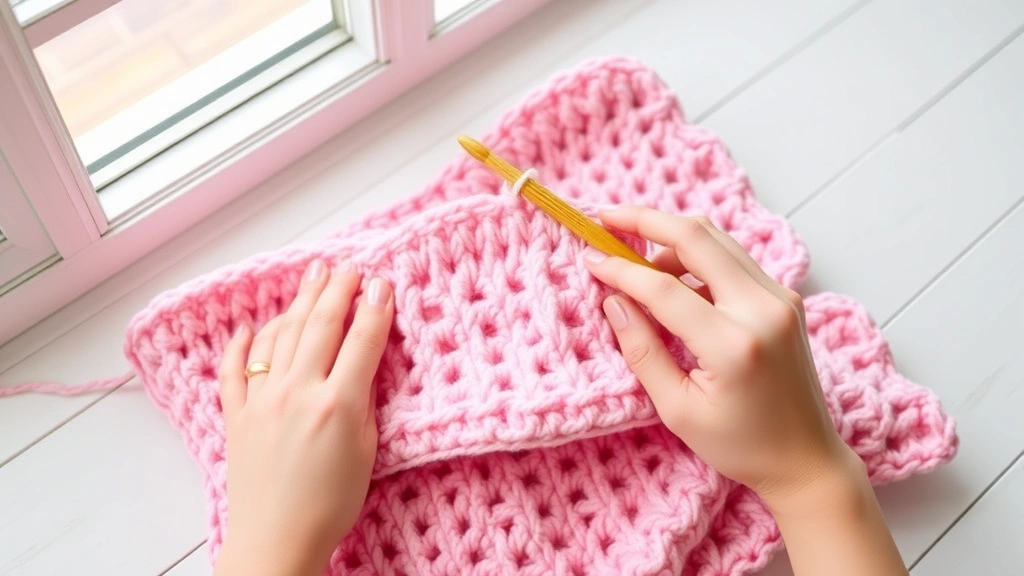
You know that moment when you’re scrolling through Pinterest at 11 PM and suddenly find yourself deep in a rabbit hole of gorgeous crochet baby blankets? Yeah, me too. And if you’re anything like me, you probably started wondering just how long it actually takes to crochet one of these beautiful blankets. The answer isn’t as straightforward as you might think, but I’m here to break it down for you based on years of making these cozy little treasures.
I’ve crocheted dozens of baby blankets over the years – for my own kids, friends’ babies, and more baby showers than I can count. Some took me a weekend of dedicated stitching, while others stretched over several months of casual evening crafting. The time really depends on a bunch of factors that I wish someone had explained to me when I was starting out.
Here’s the thing: every crocheter works at a different pace, and every blanket pattern has its own personality. That simple single crochet blanket you’re eyeing? Totally different time commitment than an intricate granny square design. And don’t even get me started on how your yarn choice can completely change the game.
Quick Answer
Most baby blankets take 10-40 hours to complete, depending on size, stitch complexity, and your crocheting speed. A simple 30×30 inch blanket in single crochet typically takes 15-20 hours, while intricate patterns can take 40+ hours.
What Affects How Long It Takes
Let’s be real – there’s no magic formula that’ll tell you exactly how long your baby blanket will take. But there are definitely some key factors that’ll give you a pretty good estimate. I’ve learned this the hard way after promising way too many blankets with unrealistic deadlines!
First up is your personal crocheting speed. Some people are naturally fast workers, while others (like me) prefer to take their time and enjoy the process. There’s no right or wrong here – I know crocheters who can whip through 100 stitches in the time it takes me to do 50, and their work looks just as beautiful.
Your available crafting time plays a huge role too. Can you dedicate entire weekends to crocheting, or are you squeezing in 20 minutes here and there between diaper changes and bedtime stories? I find that consistent daily practice, even just 15-30 minutes, often leads to faster completion than sporadic marathon sessions.
The pattern complexity is another biggie. A simple stitch pattern like single crochet or double crochet will naturally work up faster than something with lots of color changes or intricate details. I learned this lesson when I decided to make my first granny square blanket – those individual squares take forever to join together!
Time by Blanket Size
Baby blankets come in different sizes, and obviously, bigger means more time. But the relationship isn’t always linear – doubling the size doesn’t necessarily double your time if you’re using a faster stitch or thicker yarn.
| Blanket Size | Approximate Dimensions | Estimated Time Range | Best For |
|---|---|---|---|
| Lovey | 12×12 inches | 3-6 hours | Newborn comfort item |
| Receiving Blanket | 18×18 inches | 6-12 hours | Swaddling, car seat |
| Crib Blanket | 30×36 inches | 15-25 hours | Crib use, toddler bed |
| Stroller Blanket | 30×30 inches | 12-20 hours | On-the-go coverage |
| Large Baby Blanket | 36×45 inches | 25-40 hours | Growing with baby |
I always recommend starting with a 30×30 inch blanket if you’re new to baby blanket making. It’s substantial enough to be useful but not so big that you’ll lose motivation halfway through. Plus, it’s perfect for practicing your tension consistency across a larger project.
The lovey-sized blankets are fantastic for quick gifts or when you need something fast. I can usually knock one out in an evening or two, which makes them perfect for those last-minute baby shower invitations. They’re also great confidence builders if you’re worried about committing to a larger project.
How Stitch Patterns Impact Speed
This is where things get really interesting. The stitch pattern you choose can literally make or break your timeline. I’ve seen people get discouraged because they picked a complex pattern for their first baby blanket and felt like they were making no progress.
Single crochet is your friend for speed, but it can get a bit monotonous. Double crochet works up about twice as fast and creates a lovely drape that’s perfect for baby blankets. Half double crochet falls somewhere in between and gives you nice stitch definition without being too slow.
Now, if you’re drawn to those gorgeous cable patterns or intricate colorwork, just know you’re signing up for a longer journey. There’s nothing wrong with that – some of my favorite blankets took months to complete, and I loved every minute of it. Just be realistic about your timeline.
Ripple patterns and chevron designs can be surprisingly quick once you get into the rhythm. The key is choosing a pattern where you’re not constantly referring back to instructions. I like to practice the repeat a few times on a swatch before committing to the full blanket.
Yarn Weight Makes a Difference
Your yarn choice is probably the biggest game-changer when it comes to project speed. I used to think all yarn was basically the same until I made my first blanket with chunky yarn – what a revelation!
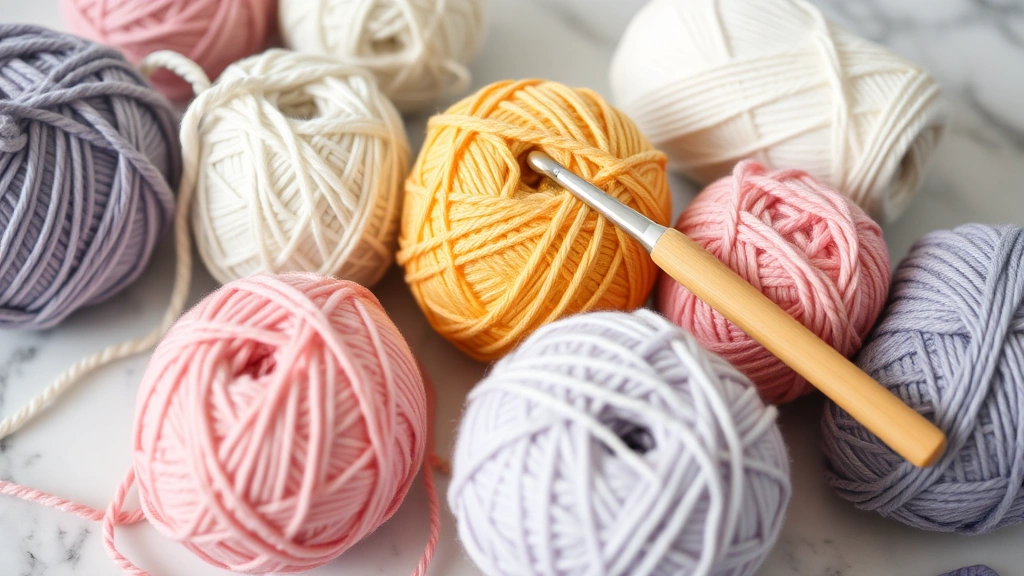
Worsted weight yarn (size 4) is the sweet spot for most baby blankets. It works up at a decent pace, gives good stitch definition, and is widely available in baby-friendly fibers. Most of my go-to baby blanket patterns are written for worsted weight, which makes yarn shopping easier too.
If you want to speed things up, consider DK weight (size 3) or even sport weight (size 2) yarn. Yes, it’ll take more stitches to cover the same area, but the lighter weight often means you can work faster without your hands getting as tired. Plus, the finished blanket will be lighter and more breathable – perfect for babies.
| Yarn Weight | Hook Size | Speed Factor | Best For |
|---|---|---|---|
| Sport (2) | 4.5mm (G) | Slower but delicate | Heirloom blankets |
| DK (3) | 5mm (H) | Good balance | All-purpose baby blankets |
| Worsted (4) | 5.5mm (I) | Standard speed | Most patterns |
| Chunky (5) | 6.5mm (K) | Much faster | Quick gifts |
I’ve experimented with chunky yarn baby blankets, and while they work up incredibly fast, they can be quite heavy for little ones. If you go this route, consider making a smaller size or using a cotton blend for breathability.
Your Experience Level Matters
Let’s talk about the elephant in the room – your skill level absolutely affects how long your blanket will take. And that’s totally okay! We all started somewhere, and every expert was once a beginner fumbling with their first chain stitch.
If you’re new to crochet, expect your first baby blanket to take longer than the estimates you see online. You’re not just making a blanket; you’re building muscle memory, learning to maintain consistent tension, and developing your personal rhythm. I remember my first baby blanket took me nearly three months of evening crafting, and I was so proud when I finally finished it.
Intermediate crocheters usually fall somewhere in the middle of those time estimates I mentioned earlier. You’ve got the basics down, but you might still need to reference the pattern frequently or take breaks to rest your hands. This is actually a great stage because you can tackle more interesting patterns without getting completely overwhelmed.
Advanced crocheters can often work much faster because they’ve developed efficient techniques and rarely need to look at the pattern once they’ve established the repeat. But here’s the thing – even experienced crocheters have projects that take longer than expected, especially when trying new techniques or working with unfamiliar yarn.
Realistic Project Timelines
Okay, let’s get down to brass tacks with some realistic timelines. These are based on my own experience and conversations with fellow crocheters, assuming you’re working at a comfortable pace without rushing.
For a beginner making their first 30×30 inch baby blanket in single crochet with worsted weight yarn, plan on 25-35 hours. That might sound like a lot, but spread over a few weeks of evening crafting, it’s totally manageable. Don’t forget to factor in time for blocking and finishing touches – these steps can add 2-3 hours but make a huge difference in the final result.
Intermediate crocheters can usually complete the same blanket in 15-20 hours. You’ll work faster and make fewer mistakes that need fixing. Plus, you’ll probably be more comfortable with techniques like maintaining consistent edges and managing your yarn tension.
Advanced crocheters might finish in 10-15 hours, especially if they’re using a familiar stitch pattern. But honestly, many experienced crocheters choose more complex patterns that take just as long – we like a good challenge!
- Week 1-2: Planning and Starting
Choose your pattern, buy yarn, make a gauge swatch, and start the foundation. Don’t rush this part – good planning saves time later.
- Week 3-4: Building Momentum
This is where you’ll hit your stride. Try to establish a daily crafting routine, even if it’s just 20-30 minutes.
- Week 5-6: The Home Stretch
You’re probably getting excited to finish! This is when mistakes happen, so stay focused and don’t rush.
- Week 7: Finishing Touches
Weave in ends, block if needed, and add any final details like a decorative border.
Ways to Speed Up Your Progress
Sometimes you really do need to finish a blanket quickly – maybe there’s a baby shower next weekend, or you want to complete a gift before the baby arrives. Here are my tried-and-true strategies for speeding up without sacrificing quality.
First, choose the right pattern. Stick with simple stitches like double crochet or half double crochet. Avoid anything with lots of color changes, complex stitch combinations, or detailed charts. A basic ripple pattern or solid-colored blanket in a single stitch will work up much faster than you might expect.
Your yarn choice is crucial here. Go with worsted weight or even chunky yarn in a light color – you’ll be able to see your stitches clearly and work faster. Avoid dark colors when you’re rushing because it’s harder to see mistakes, and you don’t want to have to rip back hours of work.
Set up your workspace for efficiency. Good lighting is essential – I can’t stress this enough. A comfortable chair that supports your back and arms will let you crochet longer without fatigue. Keep your yarn organized and easily accessible so you’re not constantly untangling or searching for the next ball.
I learned this trick from a fellow crocheter: use a yarn bowl or large mug to keep your working yarn from rolling around. It’s such a simple thing, but it eliminates so many little interruptions that add up over time.
Consider working in longer sessions when possible. It takes a few minutes to get back into the rhythm each time you pick up your hook, so two 2-hour sessions will often be more productive than four 1-hour sessions. Just make sure to take breaks to stretch your hands and shoulders.
Finally, don’t be afraid to simplify your finishing. A simple single crochet border takes much less time than an elaborate lace edging, and it still looks polished and complete.
Common Questions
How long does it take to crochet a baby blanket for a complete beginner?
A complete beginner should expect 30-50 hours for a basic 30×36 inch baby blanket using simple stitches like single or double crochet. This includes learning time, fixing mistakes, and getting comfortable with consistent tension. Don’t get discouraged – every expert started exactly where you are now!
What’s the fastest stitch for making baby blankets?
Double crochet is your best bet for speed while still creating a beautiful, substantial fabric. It works up about twice as fast as single crochet and has lovely drape. Treble crochet is even faster, but it can create a more open fabric that might not be ideal for babies.
Should I use cotton or acrylic yarn for faster progress?
Acrylic yarn typically allows for faster crocheting because it glides smoothly on the hook and is more forgiving of tension variations. Cotton can be stickier and requires more consistent tension, which might slow you down initially. However, both are excellent choices for baby blankets – choose based on your preference and the recipient’s needs.
How much yarn do I need for a standard baby blanket?
For a 30×36 inch blanket in worsted weight yarn, plan on 1200-1500 yards. Always buy an extra skein – running out of yarn partway through is frustrating and can delay your project significantly. Different dye lots can look noticeably different, so it’s better to have too much than too little.
Can I make a baby blanket in one weekend?
Absolutely! Choose a simple pattern, use chunky yarn (weight 5), and plan for dedicated crafting time. A 24×30 inch blanket in double crochet with chunky yarn can be completed in 8-12 hours of focused work. Just make sure to take breaks to avoid hand fatigue.
What size crochet hook should I use for the fastest results?
Use the hook size recommended for your yarn weight, but you can go up one size for a looser, faster-working fabric. For worsted weight yarn, try an I or J hook instead of the standard H hook. Just make a gauge swatch first to ensure you like the fabric texture.
How do I stay motivated during a long blanket project?
Break the project into smaller goals – celebrate every 10 rows or each completed section. Take progress photos to see how far you’ve come. Consider working on smaller projects between blanket sessions to maintain variety and excitement in your crafting routine.
Is it faster to make one large blanket or several smaller pieces joined together?
One large piece is almost always faster than multiple pieces that need joining. Seaming and weaving in ends from joined pieces can add 3-5 hours to your project time. However, smaller pieces are more portable and can be less overwhelming for beginners.
Making a baby blanket is one of those projects that’s both challenging and incredibly rewarding. Yes, it takes time – sometimes more than you initially planned – but there’s something magical about creating something so special with your own hands. Every stitch carries your love and care, and that’s something you just can’t buy in a store.
Remember, there’s no rush unless you’ve created one for yourself. Some of my favorite blankets took months to complete because I enjoyed the process so much. Others were weekend warriors born out of necessity and excitement. Both approaches are perfectly valid, and both create beautiful, cherished gifts.
The most important thing is to choose a project that matches your timeline and skill level. Don’t set yourself up for frustration by picking an intricate pattern when you need something finished quickly, and don’t feel like you have to stick with boring basics if you have time to explore more complex techniques.
Now grab your hook, pick out some gorgeous yarn, and start creating something beautiful. That lucky little one is going to be wrapped in so much love, and you’re going to feel amazing every time you see your handiwork in action. Happy crocheting!