Beginner’s Guide to Choosing the Right Yarn for Your Crochet Projects
Okay, so you’ve decided to pick up a crochet hook and start making something beautiful. That’s amazing! But then you walk into a yarn shop or scroll through an online store, and suddenly you’re staring at what feels like a million options—different weights, fibers, brands, price points. It’s honestly kind of overwhelming, and I totally get it. I’ve been there, standing in front of shelves thinking, “Which one doesn’t make me feel like I’m wasting my money?” The good news? Choosing yarn doesn’t have to be this stressful. Once you understand what you’re actually looking for, it becomes way more intuitive and even fun.
The truth is, picking the right yarn can make or break your crochet experience. The wrong choice might leave you frustrated with a project that splits, pilling constantly, or feels nothing like you imagined. But when you get it right? You’re going to want to make project after project. This guide walks you through everything—from understanding yarn weight and fiber content to figuring out what actually fits your budget and lifestyle. Let’s demystify this together.
Understanding Yarn Weight and Thickness
Yarn weight is probably the most important thing to wrap your head around when you’re starting out. It’s not actually about how heavy the yarn feels in your hand—it’s about how thick the strand is and how many yards you get in a certain weight. This matters because it directly impacts how fast your project grows, what size hook you’ll use, and ultimately whether your finished piece looks anything like the pattern you’re following.
There are seven main yarn weight categories, and honestly, you’ll mostly be working with four of them as a beginner. Lace weight (0) is super delicate and thin—think doilies and intricate shawls. Fingering weight (1) is still pretty fine and creates detailed work; it’s popular for socks and amigurumi details. Sport weight (2) and DK weight (3) are light and great for garments that need drape. Then you’ve got worsted weight (4), which is honestly the sweet spot for beginners—it’s thick enough that projects move quickly, but not so chunky that every stitch shows your mistakes. Bulky weight (5) and super bulky (6) are your speed demons; you’ll finish a blanket in a weekend.
Here’s the thing though: yarn weight categories can be a little fuzzy. Two worsted weight yarns from different brands might actually crochet up differently because of how they’re spun and what they’re made from. That’s why reading the label is absolutely crucial—the label tells you the recommended hook size and yardage, which gives you the real story about how that specific yarn will behave.
When you’re picking out yarn for a pattern, always check what weight the pattern calls for first. If it says “worsted weight,” grab worsted weight. If you want to substitute a different weight, you’re going to have to do some math and potentially adjust your pattern, which gets complicated fast. As a beginner, just stick with what the pattern recommends. You’ll have way more fun, I promise.
Fiber Content: What’s Actually in Your Yarn
So you’ve got the weight figured out, but now you need to think about what your yarn is actually made of. This is where things get really personal because different fibers behave so differently, and what works for one person might drive someone else absolutely bonkers.
Acrylic yarn is the beginner’s best friend for a reason. It’s affordable, comes in endless colors, doesn’t require special care, and it’s forgiving when you’re still figuring out your tension. Brands like Lion Brand and Red Heart have been around forever because they’re reliable. Acrylic doesn’t breathe as well as natural fibers, so it’s not ideal for summer clothing, and it can pill over time. But for learning? For making a blanket or a stuffed animal? Acrylic is your friend.
Wool is the classic choice, and for good reason. It’s elastic, warm, and has gorgeous stitch definition. Merino wool is softer than traditional wool, which makes it more comfortable against skin. The downside? It can be pricey, and you’ve got to be careful with washing. If you throw a wool project in hot water and the dryer, you’re going to end up with a felted mess. Wool also makes some people itchy, so keep that in mind if you’re planning to wear what you make.
Cotton is fantastic for summer projects and anything that needs to be breathable. It’s durable, takes dye beautifully, and doesn’t shed. But here’s the catch: cotton has almost zero stretch. If your tension isn’t consistent, it’s going to show way more obviously in cotton than it would in acrylic or wool. Cotton also tends to be heavier, which can make large projects feel droopy. Check out Ravelry if you want to see what other crocheters have made with specific cotton yarns—it’s super helpful.
Then there are blends. Cotton-acrylic blends give you the breathability of cotton with a little more give. Wool-acrylic blends are softer than pure acrylic and still budget-friendly. Bamboo blends are silky and drape beautifully. The blend you choose really depends on what you’re making and what feel you’re going for.
Here’s my honest take: as a beginner, start with acrylic or a good cotton-acrylic blend. Learn your basics, figure out your tension, and get comfortable with the fundamentals. Once you’ve made a few projects and know what you actually like, then start experimenting with other fibers. You’ll appreciate them more, and you’ll know how to work with them.
If you’re interested in learning more about different yarn weights and how they affect your projects, or you want to dive deeper into how to decode yarn labels, keep reading—we’re covering both.
How to Read Yarn Labels Like a Pro
Okay, the yarn label might look like a tiny rectangle covered in confusing numbers and symbols, but it’s actually your cheat sheet. Once you know what you’re looking at, it tells you literally everything you need to know about that yarn.
Start with the yarn weight category—this is usually shown as a number (0-7) or a name (worsted, bulky, etc.). Right next to that, you’ll see the recommended hook size. This is a suggestion, not a law, but it’s a solid starting point. If the label says to use a 5.5mm hook, that’s probably what you should reach for.
Then there’s the yardage (or meterage). This tells you how many yards (or meters) are in the skein. Let’s say you have a 50-gram ball with 200 yards. That’s useful information! If your pattern calls for 400 yards, you know you need two balls. Yardage matters way more than weight when you’re calculating how much yarn to buy. Two skeins of the same weight from different brands might have different yardages, so always check.
The fiber content is listed as a percentage. If it says “100% acrylic,” you’re getting pure acrylic. If it says “50% wool, 50% acrylic,” it’s a blend. This affects how you’ll care for your finished project, so pay attention here.
Care instructions are also on the label, usually shown as symbols. A tub with an X means don’t wash it (hand wash only, usually). A circle means dry cleaning only. A single line under the tub means gentle wash. These symbols matter, especially if you’re making something you’ll actually wear or gift to someone.
Finally, look for the dye lot. This is a number that indicates when the yarn was dyed. If you’re buying multiple skeins, try to get the same dye lot so your colors match perfectly. Different dye lots from the same yarn can look slightly different, which is noticeable in a finished project.
Pro tip: take a photo of the label with your phone before you leave the store or before you start your project. You’ll want to reference it later, and having that photo saved is way easier than digging through your stash trying to remember which yarn you used.
Budget-Friendly Yarn Shopping Tips
Let’s be real—yarn shopping can get expensive fast, especially when you’re making multiple projects. But there are absolutely ways to stretch your yarn budget without sacrificing quality.
Shop the sales. Yarn goes on sale constantly, particularly after major holidays. Post-Christmas, post-Valentine’s Day, end-of-season sales—these are your opportunities to stock up on colors you love at better prices. Sign up for email lists from your favorite shops so you get notified about sales.
Buy in bulk when you find something you love. If you discover a yarn that works perfectly for you, consider buying several skeins while it’s available and at a good price. Yarn gets discontinued, colors sell out, and you don’t want to regret passing it up.
Check out discount yarn websites. There are legitimate sites that sell overstock, discontinued colors, and slightly damaged (but totally usable) yarn at significant discounts. Just make sure you’re buying from reputable sources.
Join a local yarn group or online community. Crocheters trade, swap, and sell yarn all the time. Ravelry has forums where people list yarn for sale, and many local yarn shops have community boards. You might find exactly what you need at a fraction of the price.
Consider starting with patterns that use less yarn. Amigurumi, dishcloths, and small blankets don’t require massive yardage. Once you’ve got some experience and confidence, you can tackle larger projects that require more yarn investment.
Learn about yarn substitution. Not every pattern calls for a specific brand—many just specify a weight and yardage. If you find a yarn you love that’s cheaper, you can often substitute it as long as the weight and yardage are similar. Just swatch first to make sure it works with your stitch tension.
The key is being intentional about your purchases. Before you buy, ask yourself: Do I actually need this? Do I have a specific project in mind? Or am I just buying because it’s pretty? (Both are valid, honestly, but knowing the difference helps you budget better.)
Testing Yarn Before You Commit
This is something I wish someone had told me when I was starting out: you don’t have to buy a whole project’s worth of yarn and hope it works. You can test it first.
When you’re at a yarn shop, pick up the ball, feel it. Does it feel scratchy? Soft? Does it have a nice sheen or is it dull? Rub it against your arm or cheek—this sounds silly, but it gives you a real sense of how it’ll feel to wear. If it feels uncomfortable on your arm, imagine having it against your skin for hours.
Make a gauge swatch. This is a small test square (usually 4 inches by 4 inches) that you crochet using the recommended hook size. It shows you how the yarn behaves, how it drapes, and whether you like working with it. You’ll also count the stitches and rows to check your gauge, which we cover in more detail in our guide to understanding yarn weights.
Buy just one or two skeins and make a small project first. A dishcloth, a coaster, a baby booties—something that doesn’t require a huge commitment. This lets you get a feel for the yarn before you invest in a full sweater’s worth.
Pay attention to how the yarn splits when you’re crocheting. Does the hook glide through easily or do you constantly have to fish for the yarn? Does it fuzz or pill? Does it hold its shape or does it feel limp? These observations matter because they affect your actual crocheting experience and your finished project quality.
Also, if you’re buying online, check reviews. Ravelry and yarn shop websites usually have reviews from people who’ve actually used the yarn. They’ll tell you real stuff—”this pilled after one wash” or “I love how soft this is” or “the yardage is less than listed.” That feedback is gold.
Common Beginner Yarn Mistakes
Okay, I’m going to be honest about the mistakes I see beginners make all the time, because learning from other people’s experiences means you don’t have to make them yourself.
Buying yarn without a project in mind. I get it—that color is gorgeous and it’s on sale. But if you don’t have a specific project waiting for it, that yarn sits in your stash forever. Be intentional. Have a pattern picked out before you buy.
Choosing yarn based on price alone. The cheapest yarn isn’t always the best value. Sometimes paying a little more gets you better quality, better colors, or yarn that’s actually enjoyable to work with. That said, you don’t need to spend a fortune. Find the sweet spot between quality and budget that works for you.
Not checking yardage when substituting. This is huge. Two “worsted weight” yarns can have totally different yardages. If you swap one for the other without adjusting your pattern, you might run out halfway through or have way too much left over.
Ignoring fiber content and care instructions. Then being shocked when your beautiful acrylic blanket melts in the dryer or your wool sweater felts in the wash. Read the label. Actually read it.
Buying high-quality yarn for your first project. I know it’s tempting, but save the expensive merino wool for when you’ve got some experience. Practice on affordable yarn first. You’ll make mistakes, and that’s totally okay—but you won’t feel like you’ve wasted money on premium yarn.
Not considering project difficulty when choosing yarn. Some yarns show every tension inconsistency. If you’re a beginner, stick with yarn that’s forgiving. Dark colors, variegated patterns, and slightly textured yarns hide imperfections way better than light solids.
Building Your Yarn Stash Strategically
Once you’ve made a few projects, you’ll probably start thinking about building a yarn stash. This is where it gets fun, but also where people sometimes go overboard. Here’s how to build a stash that actually serves you.
Start with neutrals. Black, white, gray, navy, cream—these colors work with everything and never go out of style. You’ll use them constantly. Then add colors you genuinely love. Don’t buy colors just because they’re trendy or because everyone else is making things in that color. Buy yarn in colors that make you happy.
Keep a mix of weights. Having some fingering weight for detailed work, worsted weight for everyday projects, and bulky weight for quick gratification gives you options. You don’t need every weight, but having variety is helpful.
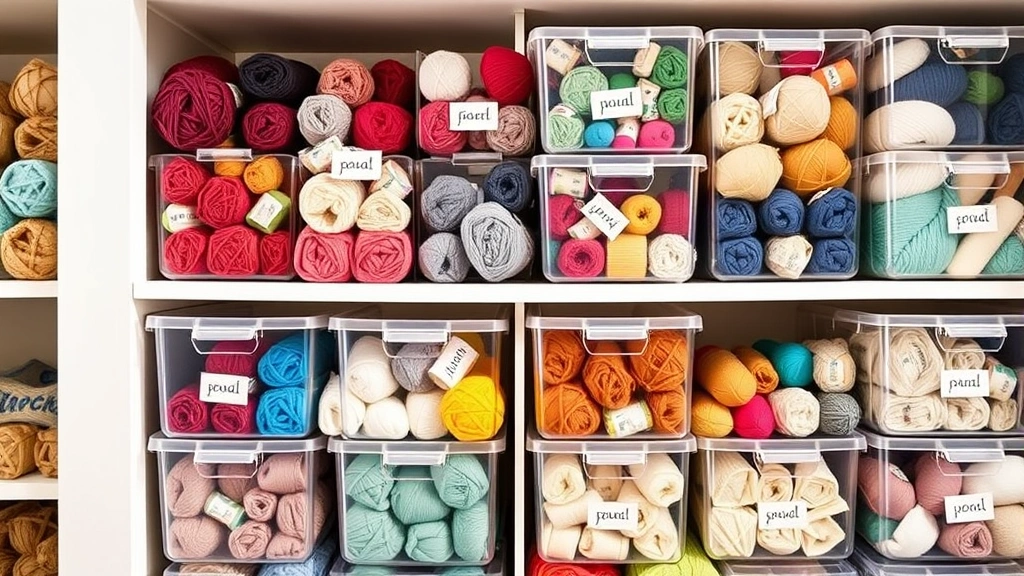
Store your yarn somewhere cool and dry, away from direct sunlight. Use clear storage bins so you can see what you have. Label everything—seriously, future you will be so grateful. Keep a spreadsheet or use an app to track your stash. Ravelry lets you catalog your entire stash digitally, which is incredibly useful.
Don’t stress about having the “perfect” stash. Your stash should work for you and your style, not the other way around. It grows naturally as you make projects and discover what you love.
Where to Buy Quality Yarn
You’ve got options here, and different sources have different benefits.
Local yarn shops are amazing because you can touch and feel the yarn before buying, and the staff usually knows their stuff. They’re also great for community and support. Shopping local supports small businesses, which feels good.
Online retailers like Yarnspirations offer huge selection and often competitive pricing. The downside is you can’t feel the yarn first, but they usually have good return policies.
Craft stores like Michaels and Joann have yarn sections, often with sales and coupons. The selection is more limited than specialty shops, but the prices are usually lower.
Direct from manufacturers. Some yarn brands sell directly to consumers. You might find sales or exclusive colors this way.
My recommendation? Support your local yarn shop when you can. But if you need something specific or want to compare prices, online shopping is totally valid. The yarn community is generally supportive of both approaches.
FAQ
What’s the best yarn for beginners?
Worsted weight acrylic is typically the best starting point. It’s affordable, forgiving, comes in tons of colors, and projects work up quickly so you stay motivated. Once you’ve got some experience, you can branch out to other fibers and weights.
Can I use a different yarn weight than the pattern calls for?
Technically yes, but it requires math and pattern adjustments. As a beginner, just use what the pattern specifies. Once you’re comfortable with gauge and substitution, you can experiment.
How do I know if yarn will feel scratchy?
Test it against your arm or neck before buying. If it feels uncomfortable there, it’ll feel uncomfortable when you’re wearing it. Also check reviews online—people will mention if a yarn is scratchy.
Is expensive yarn always better?
Not necessarily. Expensive yarn is usually higher quality, but “better” depends on your needs. For learning, affordable yarn is fine. For a special project you’ll wear constantly, investing in quality might be worth it.
How much yarn should I buy for a project?
Always buy what the pattern specifies, plus a little extra if possible. Patterns are based on specific yardage. If you buy less, you might not have enough. That extra bit gives you a safety net.
What should I do with leftover yarn?
Make coasters, dishcloths, or granny squares. Save scraps for stuffing amigurumi or making colorful blankets. Join scraps together for striped projects. There’s always something to do with leftovers.
How do I store yarn so it doesn’t get damaged?
Keep it in a cool, dry place away from direct sunlight. Use clear bins so you can see what you have. Keep it away from pets and moisture. Some people use cedar blocks or lavender to keep moths away, though this is mainly a concern for natural fibers.