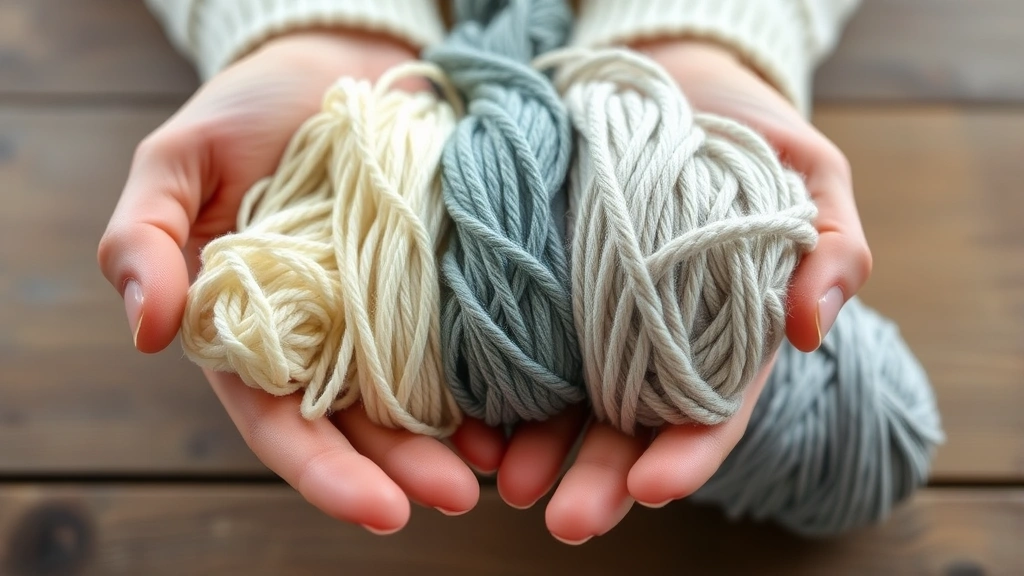
Choosing the Right Yarn Weight for Your Crochet Projects
There’s nothing quite like standing in front of a yarn wall—or scrolling through an online shop—and feeling that mix of excitement and total overwhelm. You’ve got your pattern picked out, you’re ready to hook in hand, and then you hit the yarn section. Suddenly you’re staring at labels that say worsted, bulky, lace weight, and fingering, and honestly? It can feel like you need a decoder ring just to figure out what you actually need.
Here’s the thing though: choosing the right yarn weight isn’t some mysterious art form that only experienced crocheters understand. It’s actually pretty straightforward once you know what you’re looking for. The weight of your yarn affects everything—how your finished project looks, how long it takes to complete, how it drapes, and even how much it’ll cost you. Get this part right, and you’re setting yourself up for a project that you’ll genuinely love wearing or gifting. Get it wrong, and you might end up with something that doesn’t look quite like the picture, takes way longer than expected, or just doesn’t feel right in your hands.
I’m going to walk you through exactly how to choose yarn weight like you’ve been doing this forever, with real examples, honest talk about what each weight actually feels like to work with, and some practical tricks I’ve picked up over years of projects.
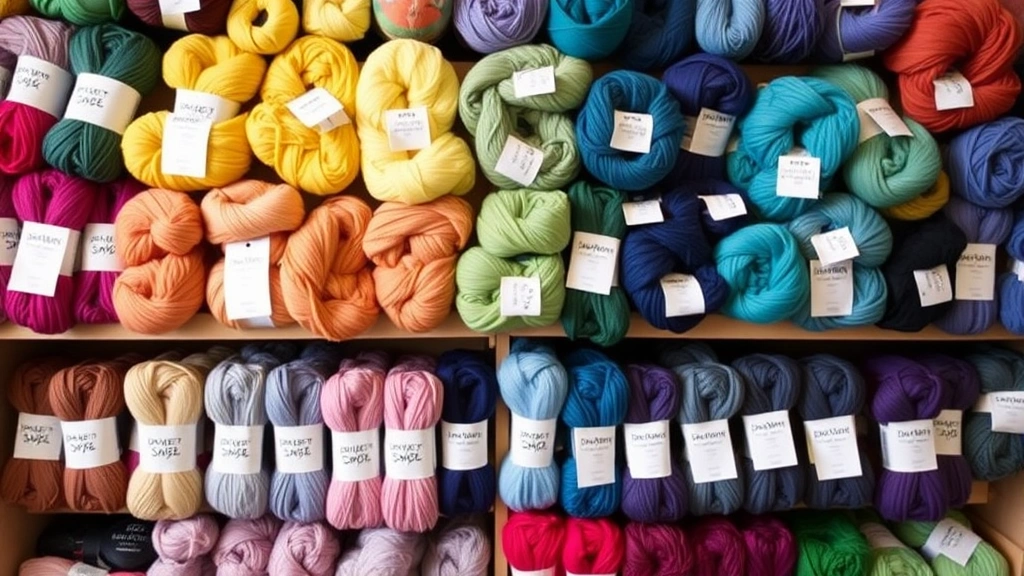
Understanding Yarn Weight Categories
The Craft Yarn Council established a standardized yarn weight system that goes from 0 to 7, and honestly, this was a game-changer for making sense of all those different labels. Let me break down what each weight actually means in real terms, because numbers alone don’t really tell you what you’re getting.
Lace Weight (0) is the delicate stuff. We’re talking thread-thin yarn that creates gossamer-like garments and intricate lace patterns. If you’ve ever seen those stunning doilies or ethereal shawls, that’s lace weight in action. It requires patience and good lighting, but the results are genuinely stunning. A typical lace weight yarn might be 400+ yards per 50 grams.
Fingering Weight (1) is slightly thicker but still pretty fine. Think of the yarn you’d use for socks, delicate amigurumi, or detailed colorwork. It’s got more structure than lace weight but still creates beautiful drape. You’re usually looking at 350-400 yards per 50 grams.
Sport Weight (2) is a sweet spot for many crocheters because it’s not too thin (which can be frustrating) but not so thick that projects finish in what feels like five minutes. It’s great for garments that need some fluidity, like summer tops or shawlettes. Expect around 300-350 yards per 50 grams.
Worsted Weight (4) is probably what you’ll see most often in pattern books and yarn shops. It’s the reliable, versatile middle ground. Worsted weight creates projects fairly quickly, works up beautifully into blankets, sweaters, and everyday accessories, and it’s forgiving when you’re learning. You’ll typically get 180-220 yards per 50 grams.
Bulky Weight (5) is the speed-demon yarn. Projects practically fly off the hook. Bulky weight is perfect for cozy blankets, chunky scarves, and quick gifts. It’s bold and textured, and honestly, it’s pretty hard to mess up. Usually around 90-150 yards per 50 grams.
Super Bulky Weight (6) is where things get really fast and really dramatic. We’re talking projects that finish in hours, not weeks. It’s luxurious, cozy, and makes a statement. Expect maybe 40-90 yards per 50 grams.
Understanding the difference between these weights is crucial because it directly impacts how your pattern will come together.
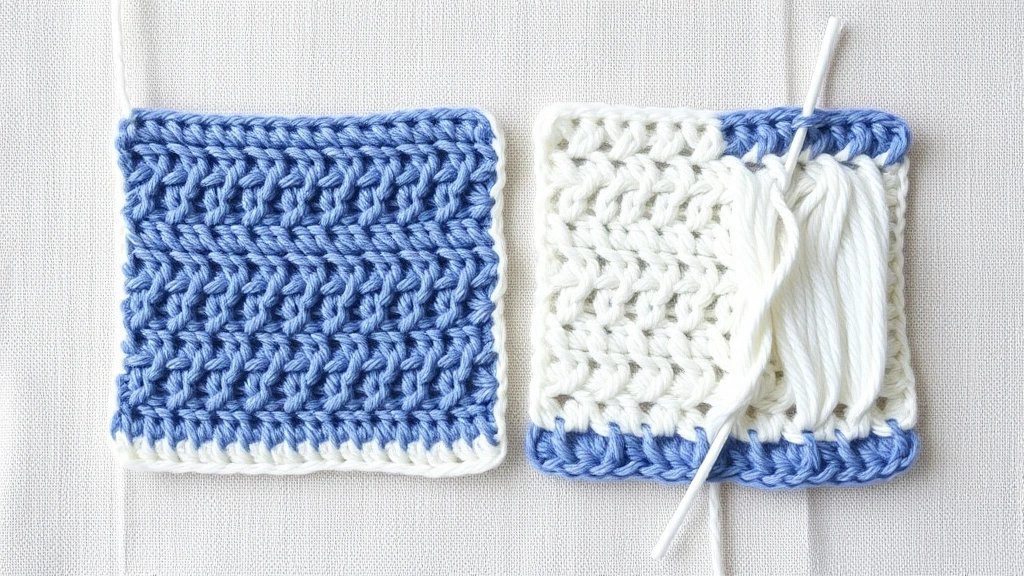
How Yarn Weight Affects Your Projects
This is where yarn weight gets really interesting, because the weight you choose doesn’t just change how fast you work—it changes the entire character of your project.
Drape and Structure are probably the two biggest factors. Lighter weights like fingering and sport weight create beautiful, fluid drape. If you’re making a summer cardigan or a flowing shawl, you want that movement. Heavier weights create more structure and stiffness, which is perfect for structured bags, amigurumi, or blankets that need to hold their shape. I learned this the hard way when I made a worsted-weight baby blanket that was supposed to have a delicate drape—it ended up looking more like a quilt, which honestly wasn’t terrible, but it wasn’t what I’d envisioned.
Stitch Definition is another game-changer. With finer yarns, you can see every stitch clearly, which makes intricate stitches and colorwork really pop. But here’s the trade-off: those fine stitches take longer to work up. With bulky yarn, individual stitches become less defined but more dramatic. Your blanket might not show off that gorgeous cable stitch pattern, but it’ll finish in a weekend.
Warmth and Weight matter too. A lacy weight yarn creates an airy garment that’s perfect for summer or layering, while bulky yarns pack serious warmth into fewer stitches. If you’re making a winter coat, you’re definitely not reaching for fingering weight.
Gauge—which is how many stitches and rows you get per inch—changes dramatically with yarn weight. This matters because your finished project size depends on it. A pattern written for worsted weight will come out significantly larger or smaller if you use a different weight yarn, unless you adjust your hook size. We’ll talk more about reading labels and understanding gauge in a minute.
Reading Yarn Labels Like a Pro
Every yarn label tells you exactly what you need to know—if you know where to look. Let me walk you through what all those symbols and numbers actually mean.
First, you’ve got the weight category, usually shown as a number 0-7 or a name like ‘worsted’ or ‘bulky.’ This is your starting point. Right next to it, you’ll typically find a yardage per weight measurement, usually shown as yards (or meters) per gram or ounce. So you might see ‘220 yards per 100 grams’ or ‘400 meters per 50 grams.’
The recommended hook size is crucial. It’s usually shown as a range—like US 8-9 or 5mm-5.5mm. This is what the yarn manufacturer tested and found works best for that specific yarn. I always start with their recommendation, though sometimes I’ll go up a size if I want more drape or down a size if I want tighter stitches.
You’ll also see fiber content—the actual material your yarn is made from. Is it 100% acrylic? A wool blend? Merino? Cotton? This affects everything from how the yarn feels in your hands to how the finished project wears and washes. The fiber content impacts drape and durability in ways that yarn weight alone doesn’t.
The care instructions matter more than you might think. Some yarns are machine-washable, others need hand-washing, and some require dry-cleaning. If you’re making a baby gift or something someone will wear frequently, you probably want yarn that can handle a washing machine.
Here’s my pro tip: take a photo of the label before you start crocheting. Seriously. You’ll want to reference those numbers later, and it’s so easy to lose or recycle the label once you’ve opened the yarn.
Matching Weight to Pattern Requirements
This is where everything comes together. Your pattern tells you what yarn weight it’s designed for, and your job is to either follow that recommendation or make an intentional, informed choice to do something different.
The Basic Rule: If your pattern calls for worsted weight and you use worsted weight, you’ll get the size and look the designer intended. Simple as that. This is especially important for fitted garments, structured accessories, and anything where size really matters.
What If You Want to Substitute? You absolutely can, but you need to understand the math. If you substitute a lighter weight yarn (like sport weight instead of worsted), you’ll need more yardage to complete the project. If you substitute a heavier weight (like bulky instead of worsted), you’ll need less. The general rule is to match yardage requirements, not just weight category.
Here’s a practical example: Let’s say you find a gorgeous blanket pattern that calls for 1,500 yards of worsted weight yarn. Worsted weight typically gives you about 190 yards per 100 grams. That means you need roughly 800 grams of yarn. If you want to use bulky weight instead (which might be about 110 yards per 100 grams), you’d still need that 1,500 yards, which means roughly 1,350 grams of bulky yarn. See? You’re working with yardage, not weight.
When you’re reading yarn labels, always check the yardage per weight measurement. This is your real guide for substitutions. I keep a little notebook where I jot down yardage for yarns I love, so when I’m planning a project, I can quickly calculate whether I have enough.
Also consider the stitch definition and drape you want. If a pattern calls for worsted weight but you use a fuzzy bulky yarn, the stitches won’t show as clearly. That might be exactly what you want for a cozy scarf, or it might be disappointing if you were hoping to showcase an intricate stitch pattern.
Common Mistakes and How to Avoid Them
After years of crocheting and helping others with their projects, I’ve seen some patterns repeat. Let me share the mistakes I see most often so you can sidestep them.
Mistake #1: Ignoring Gauge. This is huge. Your pattern has a gauge listed—something like ’18 stitches and 12 rows = 4 inches.’ This tells you what size hook you need to use. If you don’t crochet a gauge swatch, you might end up with a sweater that doesn’t fit or a blanket that’s way bigger or smaller than expected. I know gauge swatches feel like a waste of yarn and time, but they genuinely prevent disaster. Make a small swatch with the recommended yarn and hook size, measure it, and adjust your hook size if needed.
Mistake #2: Choosing Yarn Based Only on Color. I get it—that gorgeous deep teal is calling your name. But if it’s a delicate lace weight and your pattern calls for worsted, you’re setting yourself up for frustration. Color is important, but yarn weight and fiber content matter more.
Mistake #3: Not Checking Yardage. You buy the yarn because the label says ‘worsted weight’ and you think you’re good. But you don’t check if you have enough yardage. Then you get halfway through your project and realize you’re 200 yards short. Always, always verify yardage before you commit.
Mistake #4: Forgetting About Fiber Content**. Some yarns are delicate and require special care. Some are durable and machine-washable. If you’re making something for a toddler, you probably don’t want yarn that requires hand-washing. If you’re making an heirloom piece, you might not mind the extra care.
Mistake #5: Not Considering the Final Use. Are you making a summer top? Use a lighter weight. A winter blanket? Go heavier. Something that needs to hold its shape? Avoid the super-soft, drapey yarns. Thinking about the final use helps you choose weight intentionally.
Budget and Yardage Considerations
Real talk: yarn can get expensive, and yarn weight directly impacts how much you’ll spend on a project.
Finer yarns like fingering and sport weight give you more yardage per gram, so a 100-gram skein might have 400+ yards. That sounds like a lot, but finer yarn also means more stitches, and more stitches means more time. A fingering-weight shawl might take 30 hours to complete, while a bulky-weight blanket takes 10.
Bulky yarns give you fewer yards per gram—maybe 100 yards per 100 grams—but projects finish so fast that you might spend less total time even though you’re using more weight of yarn. Sometimes spending more upfront on bulky yarn means finishing a project faster, which has its own value.
Here’s my practical approach: Calculate the total yardage you need, then compare prices across different weights. Sometimes a heavier yarn is actually cheaper overall because you need less of it. Sometimes a lighter yarn is the better value because of how much yardage you get.
I also always buy a little extra yardage—like 10-15% more than the pattern calls for. Mistakes happen. Gauge might be slightly off. You might want to add a border or extend something. That extra yarn is insurance, and it’s worth it for peace of mind.
If budget is tight, check out Ravelry, where you can search patterns by yardage requirements and filter by yarn weight. You can find patterns designed for smaller yardage amounts, which means smaller projects and lower costs. You can also browse LoveCrafts or local yarn shops for sales and clearance yarns in weights you love.
One more budget tip: building a yarn stash intentionally by weight category helps you plan projects more easily. If you know you have 800 grams of worsted weight in your stash, you can search for patterns that use exactly that amount. You’re not buying yarn for a specific project—you’re finding projects for yarn you already have.
FAQ
Can I use a different yarn weight than what the pattern calls for?
Yes, but you need to do the math. Match the total yardage requirement rather than just the weight category. Keep in mind that changing yarn weight will affect the final size, drape, and overall look of your project. Always make a gauge swatch to see how the substitution works.
What’s the easiest yarn weight for beginners?
Worsted weight is ideal for beginners. It’s not so fine that it’s frustrating, not so bulky that you can’t see your mistakes clearly. It’s also widely available and affordable. Bulky weight is also beginner-friendly because projects finish quickly and are forgiving of tension inconsistencies.
How do I know what hook size to use?
The yarn label recommends a hook size range. Start with the middle of that range, make a gauge swatch, and adjust if needed. A smaller hook creates tighter stitches, a larger hook creates looser stitches. If your gauge is too tight, go up a hook size. If it’s too loose, go down.
Does yarn weight affect how much a finished project weighs?
Not necessarily. A bulky yarn project will weigh more than a fingering-weight project of similar dimensions because you’re using more yarn. But a delicate lace shawl made from fingering weight might weigh more than a loose, airy bulky-weight shawl because of how much total yarn goes into it.
Where can I find patterns for specific yarn weights?
Check Ravelry, which lets you filter patterns by yarn weight. Yarnspirations offers free patterns organized by yarn type and weight. Many yarn manufacturers also publish free patterns designed specifically for their yarns.
What’s the difference between yarn weight and yarn thickness?
Yarn weight is an industry standard measurement related to yardage per weight. Yarn thickness is more visual and subjective. A yarn might be labeled ‘worsted weight’ but feel slightly thicker or thinner depending on how it’s spun and what fiber it’s made from.
Can I mix yarn weights in the same project?
You can, but it takes planning. Some patterns intentionally use multiple weights—like a bulky-weight body with fingering-weight details. If you’re mixing weights on your own, make sure the colors and fibers work well together and that you understand how the weight change will affect drape and structure.