Choosing the Right Yarn for Your Crochet Projects: A Complete Guide
Let’s be real—standing in front of a wall of yarn at your local craft store can feel absolutely overwhelming. There are so many colors, textures, weights, and fiber types that it’s easy to feel paralyzed by choice. You see a beautiful skein of merino wool and think, “This would be perfect for that sweater!” Then you notice the price tag and wonder if you’re making a responsible decision. Or maybe you grab acrylic because it’s affordable, but you’re not sure if it’ll actually work for the delicate lace pattern you’ve been dreaming about.
Here’s what I want you to know: choosing yarn doesn’t have to be stressful, and there’s absolutely no “wrong” choice—just choices that work better for different projects and different situations. Whether you’re a complete beginner picking up a crochet hook for the first time or you’ve been making beautiful things for years, understanding how to match yarn to your project will transform how you feel about your work. You’ll finish projects that actually fit, feel amazing, and make you proud to wear or gift them. Let’s walk through this together.
Understanding Yarn Weights and What They Mean
Yarn weight is probably the most important thing to understand when you’re picking yarn for a project. The weight classification tells you how thick or thin the yarn is, which directly affects how your finished project will look, feel, and drape. The Craft Yarn Council has standardized these weights into categories numbered 0 through 7, which you’ll see on pretty much every yarn label you encounter.
Let’s break down the main weights you’ll actually use in crochet:
- Lace (0) and Fingering (1): These are super thin yarns, often used for delicate shawls, doilies, and intricate lace patterns. They require patience and smaller hooks, but the results are absolutely stunning. If you’re new to crochet, I’d actually skip these for now—save them for when you’ve got your tension and rhythm down.
- Sport (2) and DK (3): These lightweight yarns are perfect for garments that need to drape beautifully but still maintain their shape. They’re ideal for summer tops, baby clothes, and anything where you want a refined, elegant finished look. They work up slower than heavier yarns, but you’ll get such a polished result.
- Worsted (4): This is the sweet spot for most crocheters, especially beginners. It’s thick enough to work up quickly, making you feel like you’re making progress, but still refined enough for tons of different projects. Blankets, scarves, sweaters, hats—worsted weight can do it all. You’ll see more patterns written for worsted than any other weight, which makes it super accessible.
- Bulky (5) and Super Bulky (6): These are the fast workers. You can finish a whole blanket in a weekend with bulky yarn, which is incredibly satisfying. They’re perfect for chunky scarves, cozy blankets, and projects where you want that thick, cushy texture. The tradeoff is that you’ll get fewer stitch definition and less drape.
Here’s something crucial that trips up a lot of people: the weight on the label is just a guide. What matters most is the pattern requirements and your specific project goals. A pattern will tell you exactly what weight yarn it’s written for, and honestly, you should follow that recommendation, especially when you’re starting out. Switching yarn weights mid-pattern can completely change how your finished project looks and fits.
Fiber Types: Natural, Synthetic, and Blends
Now let’s talk about what the yarn is actually made of, because this affects everything from how it feels in your hands to how it’ll wear over time.
Natural Fibers come from plants or animals. Wool is the classic choice—it’s warm, elastic, forgiving of tension inconsistencies, and gets softer the more you wash it. Merino wool is especially luxurious and less scratchy than regular wool. Cotton is breathable and perfect for summer garments and dishcloths; it doesn’t stretch as much as wool, so you need to be more careful with tension. Bamboo and linen give you that beautiful drape and breathability. Alpaca is incredibly soft and cozy. The downside? Natural fibers usually cost more, and some people have sensitivities or allergies.
Synthetic Fibers like acrylic are your budget-friendly option. They’re durable, easy to care for, and come in every color imaginable. Modern acrylic has gotten so much better than it used to be—it’s not scratchy anymore if you buy quality brands. The tradeoff is that it doesn’t breathe as well, it can pill, and it doesn’t have the same beautiful drape as natural fibers. But for afghans, amigurumi, or when you’re practicing a new technique, acrylic is genuinely perfect.
Blends are where the magic happens. A merino-acrylic blend gives you the softness and elasticity of wool with more durability and easier care. Cotton-acrylic blends are breathable but easier to maintain than pure cotton. These blends are often the sweet spot between cost and quality.
Here’s my honest take: your budget and the project matter way more than using “the best” fiber. A blanket made with love from acrylic yarn that you actually finish and use is infinitely better than a half-finished merino wool project gathering dust in your closet. Start with what you can afford and what feels good to you. As you develop your skills and know your preferences better, you can explore pricier options.
Matching Yarn to Your Pattern and Project
This is where the real decision-making happens. You’ve got to think about what you’re actually making and what you want the finished product to feel like and do.
For Wearables: If you’re making a sweater, cardigan, or top, you need to think about drape, stretch, and how it’ll fit your body. A DK or sport weight yarn will drape beautifully and hug your figure nicely. Worsted weight works great for structure and warmth. If you’re making something for a baby or for someone with sensitive skin, you’ll want something soft—merino, bamboo, or a really quality acrylic blend. The pattern will tell you the finished measurements, which is crucial; don’t guess on this. If you’re making a fitted garment, choose yarn in the exact weight the pattern specifies, or you’ll end up with something that doesn’t fit right.
For Blankets and Afghans: Here’s where you can have fun and get creative. Worsted or bulky weight works great. Think about whether you want something lightweight and breathable or something cozy and warm. Cotton is amazing for summer blankets; wool or acrylic blends are perfect for winter. Consider the person who’ll use it—if they have allergies, skip the wool. If they’re going to throw it in the wash a lot, acrylic is your friend.
For Amigurumi and Toys: You want a yarn that’ll hold its shape and won’t show your stitches too much. Worsted weight acrylic is ideal here. It’s affordable (you don’t need much), durable, and easy to wash. The firmness of acrylic actually helps your finished piece keep its shape better than a stretchy wool would.
For Delicate Projects: If you’re making lace shawls, doilies, or anything where stitch definition is important, you need a yarn that’ll show off your work. Lighter weights in natural fibers are traditional here, but honestly, a good quality cotton or a merino-acrylic blend can look equally beautiful. The key is choosing something that has good stitch definition—avoid fuzzy or overly textured yarns for lace.
The best way to know if a yarn will work is to actually test it. Buy one skein and crochet a small swatch. How does it feel? Does it have the drape you want? Is it comfortable to work with? Does it show your stitches clearly? These hands-on tests matter way more than what any guide or expert tells you.
Budget-Friendly Yarn Choices Without Sacrificing Quality
Let’s talk money, because I know yarn can get expensive, and that’s real. You don’t need to spend a fortune to make beautiful things.
Buy from Online Retailers: Websites like Ravelry let you compare prices across different shops. You’ll often find sales and deals that local stores can’t match. Yarnspirations offers free patterns and often has their own yarn at great prices.
Choose Acrylic for Practice: When you’re learning a new stitch or technique, use affordable acrylic. Save the expensive merino for projects you’ve already mastered. This takes the pressure off and lets you experiment without financial stress.
Buy Yarn on Sale: Craft stores constantly have sales. Sign up for email lists, use coupons, and shop seasonal colors when they’re being cleared out. A beautiful yarn you buy on sale is still beautiful yarn.
Check Out Yarn Brands Directly: Many brands like Lion Brand and Berroco offer quality yarn at mid-range prices. You don’t always need luxury yarn to get luxury results.
Consider Yarn Weight Strategically: Bulky and super bulky yarns use less yardage total, so sometimes a pricier yarn in a heavier weight actually costs less per project than a cheaper yarn in a lighter weight. Do the math before you buy.
Blend Your Yarns: You can use two strands of thinner yarn held together to create a thicker yarn, or combine different yarns to create custom colors and textures. This is a great way to use up scraps and create something unique without buying tons of new yarn.
Here’s the thing about budget: spending more doesn’t automatically mean better results. I’ve seen absolutely stunning work made with $2 acrylic yarn and mediocre projects made with $20 merino. Your skill, your effort, and your care matter way more than the price tag.
Practical Tips for Testing and Selecting Yarn
Let me give you the actual process I use every single time I’m picking yarn for a new project, because this is where theory meets reality.
Step 1: Check the Pattern Requirements Read your pattern completely before buying anything. Write down the yarn weight, fiber type recommendations, yardage needed, and any special notes about how the yarn should perform. This is your baseline.
Step 2: Handle the Yarn in Person if Possible Feel it in your hands. Does it feel good? Is it scratchy or soft? Will it be pleasant to work with for hours? Your comfort matters. If a yarn feels unpleasant to touch, you won’t enjoy making the project, and you might not finish it.
Step 3: Check the Yardage The label tells you how many yards (or meters) are in the skein. Add up the total yardage you’ll need for your project and buy a little extra—always. Dye lots matter, especially for solid colors, so try to buy all your yarn at once from the same dye lot if possible. Different dye lots can have slightly different colors.
Step 4: Read the Care Instructions If you’re making something that’ll be washed frequently, make sure the yarn is machine washable. If it needs hand washing, are you actually going to do that? Be honest with yourself. There’s no point in buying a yarn that requires special care if you know you won’t maintain it properly.
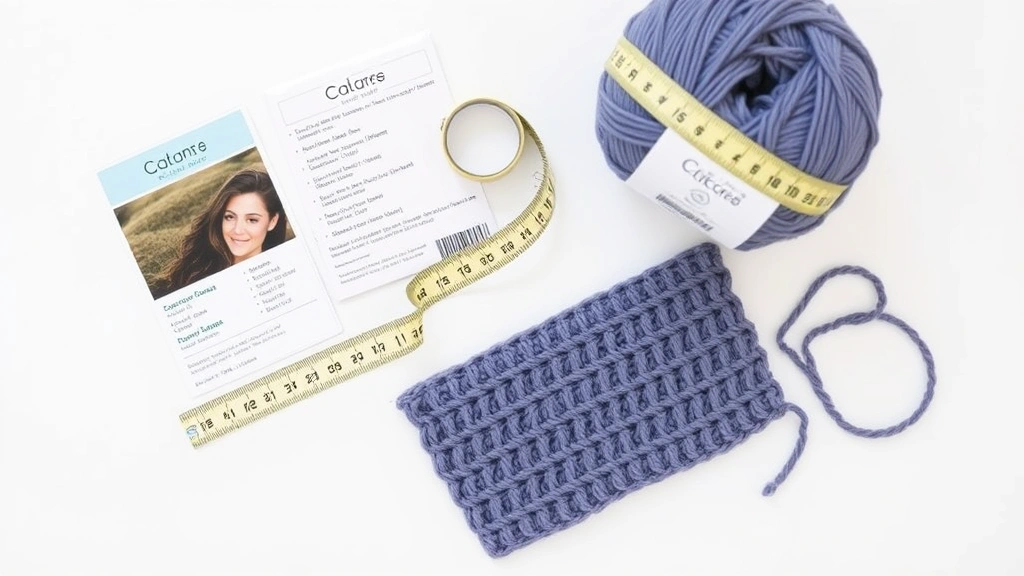
Step 5: Make a Test Swatch This is non-negotiable for fitted garments. Crochet a 4×4 inch swatch with your hook and yarn, following the stitch pattern from your project. Wash it the way you’ll wash the finished project. Check how it feels, how it drapes, whether it shrinks, and whether the stitches look right. This small investment of time saves you from finishing a whole sweater that doesn’t fit or feel right.
Step 6: Consider Your Tension and Skill Level If you tend to crochet tightly, a stretchy wool forgives you more than a stiff acrylic. If you’re still developing consistent tension, choose a yarn that’s forgiving. As you improve, you can work with more delicate, less forgiving yarns.
When you’re looking at pattern communities and yarn reviews, pay attention to what people actually say. If 50 people say a yarn pills easily or runs small, that’s valuable information. If everyone raves about how soft something is, that matters.
FAQ
What’s the difference between yarn weight and thread weight?
Yarn weight refers to thickness (0-7 scale), while thread weight is different—it’s numbered in reverse and typically refers to much thinner materials used for things like sewing or fine crochet. Stick with yarn weight classifications for crochet projects.
Can I substitute one yarn for another if they’re the same weight?
Sometimes, but not always. Same weight doesn’t mean same characteristics. A wool yarn and an acrylic yarn that are both worsted weight will have different stretch, drape, and appearance. The safest approach is to follow the pattern’s specific recommendations, especially for fitted garments. If you do substitute, always make a test swatch first.
How much yarn do I actually need for a project?
The pattern tells you the yardage required. Always buy at least 10% extra to account for gauge adjustments, frogging mistakes, and variations in how much yarn you might use. It’s better to have leftover yarn than to run short near the end of a project.
Is expensive yarn always better?
Absolutely not. Expensive yarn is sometimes better, but price doesn’t equal quality or suitability for your project. A $3 acrylic yarn might be perfect for what you’re making, while a $20 merino might be completely wrong. Choose based on the project requirements and your budget, not on price alone.
What should I do if I can’t find the exact yarn the pattern calls for?
Match the weight first, then look for similar fiber content and characteristics. Make a test swatch. Read reviews from other crocheters who’ve used substitutions. Join online communities and ask for advice—people are usually incredibly helpful with substitution suggestions.
How do I know if a yarn will be itchy or uncomfortable to wear?
Feel it in your hands first. If it feels scratchy in the store, it’ll feel scratchy in a finished garment. For wearables, consider merino, cotton, bamboo, or quality acrylic blends. Avoid regular wool if you have sensitive skin. When in doubt, make a swatch and test it against your skin.
Should I buy yarn online or in a physical store?
Both have advantages. Physical stores let you feel and see the yarn, which is valuable. Online gives you more variety and often better prices. Ideally, use both—feel yarn in person to understand what you like, then buy online when you find better deals. Many crocheters do a combination of both.