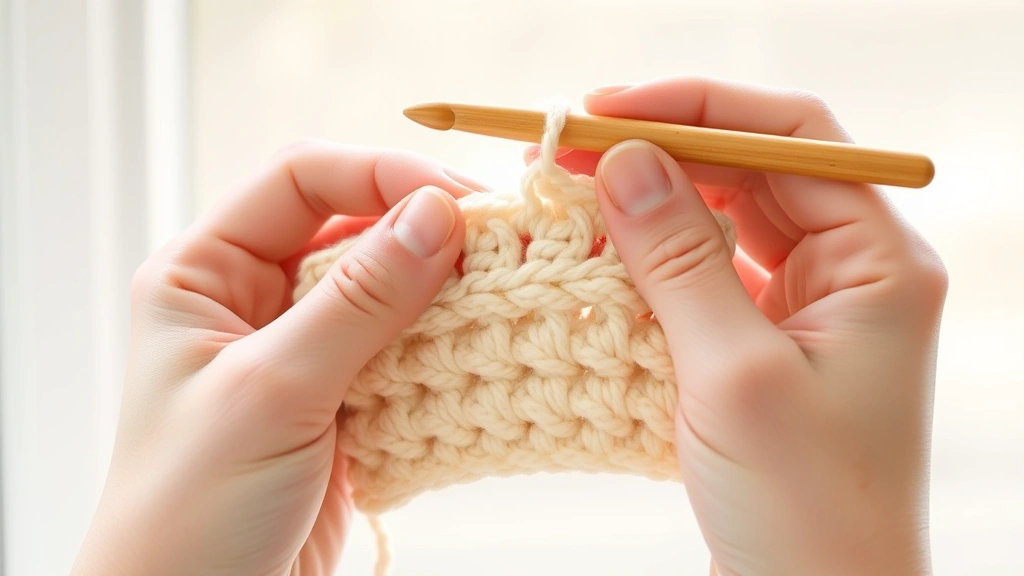
I’ll never forget the day I discovered the magic of crochet stitches beyond the basic single crochet. There I was, working on what felt like my hundredth dishcloth, when my friend Sarah showed me her gorgeous ripple afghan. The texture, the visual interest, the way it seemed to dance with light and shadow – I was completely hooked (pun intended). That moment changed everything about how I approached crochet projects.
Learning different crochet stitches isn’t just about expanding your repertoire; it’s about transforming ordinary yarn into extraordinary creations. Whether you’re tired of making the same old scarves or ready to tackle that ambitious blanket pattern you’ve been eyeing, mastering various stitches opens up a whole new world of possibilities.
The beauty of crochet lies in its versatility. With just a hook and some yarn, you can create everything from delicate lace doilies to chunky winter sweaters. But here’s what I wish someone had told me when I started: you don’t need to learn every stitch under the sun to make beautiful projects. Focus on building a solid foundation with key stitches, and you’ll be amazed at what you can create.
Today, I want to share the essential crochet stitches that have become my go-to techniques over the years. These aren’t just random stitches I picked out of a book – they’re the workhorses of crochet, the ones you’ll use again and again in countless projects. From the foundational single crochet to more advanced textured stitches, we’ll cover everything you need to know to take your crochet game to the next level.
Quick Answer
The essential crochet stitches every crocheter should master include chain, slip stitch, single crochet, half double crochet, double crochet, and treble crochet. These six stitches form the foundation for 90% of crochet patterns and can be combined to create countless textures and designs.
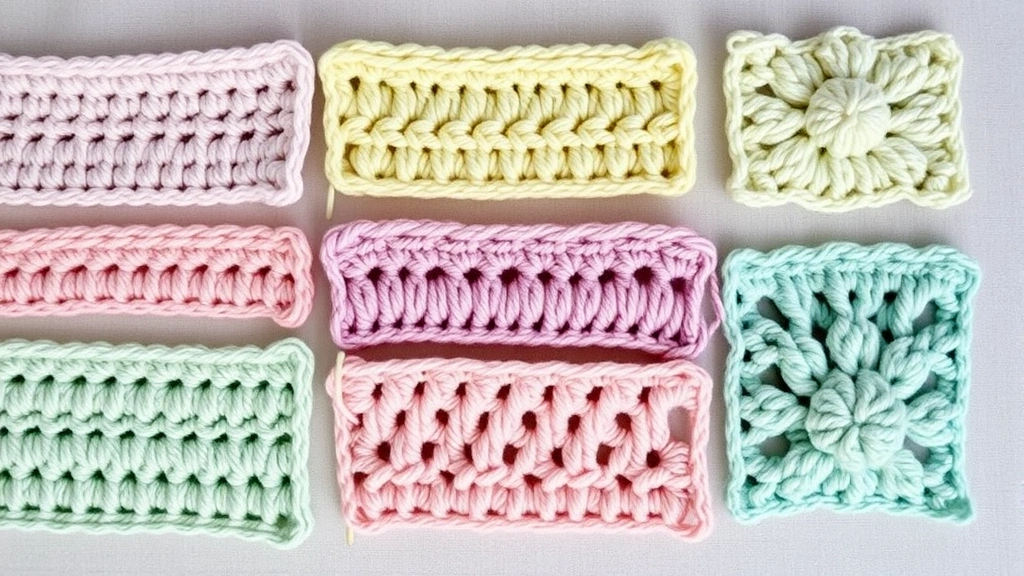
Foundation Stitches Every Beginner Needs
Before you can create any crochet project, you need to master the foundation stitches. Think of these as your crochet alphabet – without them, you can’t form words, let alone sentences.
Chain Stitch (ch)
The chain stitch is literally where everything begins. It’s how you start most projects and create the foundation for your work. I remember struggling with tension when I first learned – my chains were either so tight I couldn’t get my hook through them, or so loose they looked like a hot mess.
Here’s the key: keep your yarn tensioned with your non-hook hand, but don’t death-grip it. Your chains should be loose enough to easily insert your hook, but not so loose they look sloppy. Practice making chains of 20-30 stitches until they look even and feel natural.
Slip Stitch (sl st)
The slip stitch might seem insignificant, but it’s incredibly useful. You’ll use it to join rounds in amigurumi patterns, move your yarn to different positions without adding height, and create decorative edges.
The trick with slip stitches is to keep them loose. Since they don’t add height to your work, tight slip stitches can pucker your fabric and make it difficult to work into later.
Pro Tip: When joining rounds with a slip stitch, insert your hook under both loops of the stitch unless the pattern specifies otherwise. This creates a neater join.
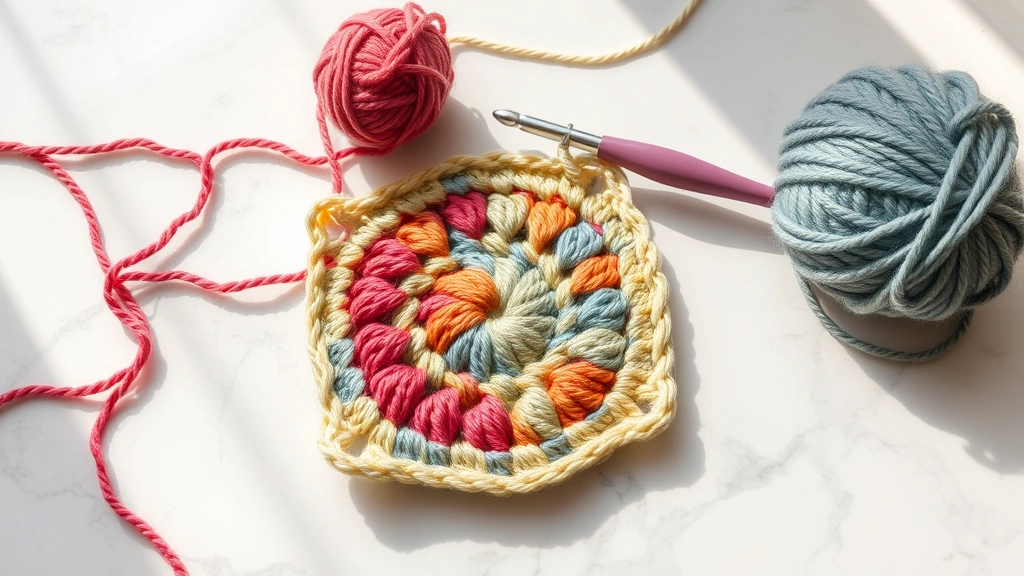
Basic Working Stitches
These are the stitches you’ll use most often. Master these three, and you can tackle probably 70% of all crochet patterns out there.
Single Crochet (sc)
Single crochet is the workhorse of crochet stitches. It creates a dense, sturdy fabric that’s perfect for dishcloth patterns, amigurumi, and any project where you want good stitch definition.
The key to even single crochet is consistent tension and working into the correct part of the stitch below. Always work under both loops unless the pattern tells you otherwise. I see so many beginners accidentally working into just the front loop, which creates an unintentional ridge effect.
Single crochet measures about 1:1 in terms of height to width when worked with appropriate yarn and hook size. For worsted weight yarn, I typically use a 5mm (H-8) hook, though this can vary based on your tension.
Half Double Crochet (hdc)
Half double crochet sits right between single crochet and double crochet in terms of height. It’s fantastic for creating fabric with good drape that’s not too dense. I love using half double crochet for scarf patterns because it works up relatively quickly but still has nice stitch definition.
The yarn over before inserting your hook is what distinguishes half double crochet from single crochet. This extra yarn creates the additional height and gives the stitch its characteristic lean.
Double Crochet (dc)
Double crochet is probably the most versatile stitch in crochet. It’s tall enough to work up quickly but not so tall that you lose stitch definition. Most afghan patterns use double crochet as their base stitch because it creates beautiful drape while still being substantial.
The key to neat double crochet is the yarn over. Make sure you’re wrapping the yarn completely around your hook before inserting it into the stitch. Incomplete yarn overs create wonky-looking stitches that can throw off your stitch count.
| Stitch Type | Height | Best Uses | Fabric Density |
|---|---|---|---|
| Single Crochet | Short | Amigurumi, dishcloths, structured items | Very dense |
| Half Double Crochet | Medium | Scarves, baby items, quick projects | Medium density |
| Double Crochet | Tall | Blankets, shawls, garments | Light to medium |
Intermediate Stitches for Texture
Once you’re comfortable with the basics, these stitches will add beautiful texture and visual interest to your projects.
Treble Crochet (tr)
Treble crochet (also called triple crochet) is the tallest of the basic stitches. With two yarn overs before inserting your hook, it creates airy, open fabric that’s perfect for lightweight shawls and summer tops.
The challenge with treble crochet is maintaining even tension across those yarn overs. Practice keeping them loose enough to work with but not so loose that they create gaps in your fabric.
Front Post and Back Post Stitches
Post stitches are game-changers for adding texture. Instead of working into the top of the stitch below, you work around the vertical post of the stitch. Front post stitches (fpdc, fptr) create raised ridges on the front of your work, while back post stitches (bpdc, bptr) create ridges on the back.
These stitches are essential for creating ribbing, cables, and basketweave patterns. I use them constantly in hat patterns to create stretchy brims that actually stay in place.
When working post stitches, your hook goes around the post, not through the fabric. This can feel awkward at first, but once you get the hang of it, post stitches become second nature.
Shell Stitches
Shell stitches aren’t technically a single stitch – they’re a combination of multiple stitches worked into the same space. A basic shell might be 5 double crochets worked into the same stitch or space, creating a fan-like effect.
Shells are perfect for creating decorative edges, and they’re a staple in many shawl patterns. The key is keeping your tension consistent across all the stitches in the shell so they fan out evenly.
Advanced Stitches and Techniques
These techniques might seem intimidating, but they’re really just variations on the basic stitches you already know.
Bobble Stitches
Bobbles create wonderful three-dimensional texture by working multiple incomplete stitches into the same space, then drawing them all together at the top. A typical bobble might be 5 double crochets worked into the same stitch, but instead of completing each double crochet fully, you stop at the last yarn over, leaving loops on your hook until the end.
The Craft Yarn Council provides excellent standardized symbols for bobble stitches, which can help you read international patterns.
Cluster Stitches
Clusters are similar to bobbles but work in the opposite direction. Instead of working multiple stitches into one space, you work one stitch across multiple spaces, drawing them together at the top. This creates a gathered effect that’s perfect for decreasing and shaping.
Popcorn Stitches
Popcorn stitches create dramatic texture by working several complete stitches into the same space, then folding them forward and securing with a slip stitch. They’re more pronounced than bobbles and create a fun, bumpy texture.
Tension Tip: All textured stitches require looser tension than flat stitches. If your bobbles, clusters, or popcorns are pulling tight, try going up a hook size.
Popular Stitch Combinations
The real magic happens when you start combining different stitches. Here are some classic combinations that create stunning effects.
Granny Square Pattern
The traditional granny square combines chains and double crochets to create the iconic square motif. It’s typically worked in rounds, with each round building on the previous one using corner increases.
What makes granny squares so appealing is their versatility. You can make them in any size, any color combination, and join them to create everything from coasters to king-size blankets.
Ripple Patterns
Ripple patterns create those beautiful wave effects by combining increases and decreases in a regular pattern. A typical ripple might use double crochets with increases (working multiple stitches into one space) and decreases (working one stitch across multiple spaces) to create the peaks and valleys.
The key to successful ripples is maintaining consistent stitch counts. Each repeat should have the same number of stitches, even though some are increases and some are decreases.
Mesh Patterns
Mesh patterns combine chains and double crochets to create open, lacy fabric. A simple mesh might alternate double crochet, chain 1, skip 1 stitch across the row. These patterns are perfect for summer tops and lightweight wraps.
Common Problems and Solutions
Even experienced crocheters run into issues. Here are the most common problems I see and how to fix them.
Uneven Tension
Inconsistent tension is probably the most common issue new crocheters face. Your stitches might be tight in some places and loose in others, creating uneven fabric.
The solution is practice and awareness. Pay attention to how you hold your yarn and try to maintain the same grip throughout your project. If you’re a tight crocheter, try going up a hook size. If you’re loose, go down a size.
Losing Stitch Count
It’s so frustrating to reach the end of a row and realize you have too many or too few stitches. This usually happens because of missed stitches or accidental increases.
Use stitch markers to mark important stitches like the first and last stitch of each row. Count your stitches regularly, especially when learning new patterns.
Curling Edges
Single crochet fabric tends to curl, especially when worked in continuous rounds. This happens because single crochet stitches are shorter and denser than other stitches.
To prevent curling, you can add a border of taller stitches, block your finished piece, or switch to a stitch with more height like half double crochet.
Remember, blocking can solve a multitude of crochet sins. When in doubt, block it out!
Choosing the Right Stitch for Your Project
Not all stitches are created equal, and choosing the right one can make or break your project.
Consider the Yarn Weight
Different stitches work better with different yarn weights. Single crochet looks great with worsted weight yarn but can be overwhelming with bulky yarn. Conversely, delicate stitches like shells and lace patterns can get lost in thick yarn.
For fingering weight yarn (lace weight), try delicate stitches like shells, fans, and open mesh patterns. Sport and DK weights work beautifully with most stitches. Worsted weight is the most versatile – almost any stitch looks good. Bulky and super bulky yarns are best with simple stitches that won’t compete with the yarn’s texture.
Think About Function
A baby blanket needs different properties than a market bag. Baby items should be soft and washable, so avoid overly textured stitches that might irritate sensitive skin. Bags need structure, so dense stitches like single crochet work better than open mesh patterns.
For wearables, consider drape and stretch. Sweater patterns often use stitches that create fabric with good drape and some give, like half double crochet or modified double crochet.
Match Your Skill Level
Be honest about your current skill level. There’s no shame in sticking with basic stitches while you build confidence. A simple double crochet blanket made with beautiful yarn and consistent tension will always look better than a complex stitch pattern executed poorly.
That said, don’t be afraid to challenge yourself. Pick one new technique per project and focus on mastering it. You’ll be surprised how quickly your skills develop.
| Project Type | Recommended Stitches | Yarn Weight | Hook Size Range |
|---|---|---|---|
| Baby Blankets | Single crochet, half double crochet, simple shells | DK to Worsted | 4.5mm-5.5mm |
| Scarves | Half double crochet, double crochet, mesh patterns | Sport to Bulky | 4mm-8mm |
| Dishcloths | Single crochet, half double crochet | Worsted Cotton | 5mm-5.5mm |
| Amigurumi | Single crochet (tight tension) | Worsted | 4mm-4.5mm |
Popular yarn brands like Lion Brand and Red Heart often include stitch recommendations on their yarn labels, which can be helpful when planning projects.
Common Questions
How many crochet stitches should a beginner learn first?
Start with the six foundation stitches: chain, slip stitch, single crochet, half double crochet, double crochet, and treble crochet. These six stitches will allow you to make 90% of beginner patterns. Once you’re comfortable with these, add front and back post stitches to your repertoire. You can create beautiful projects with just these basic stitches – don’t feel pressured to learn everything at once.
What’s the difference between US and UK crochet terms?
Crochet terminology varies between countries, which can be confusing when following international patterns. In US terms, single crochet is the shortest working stitch, while in UK terms, double crochet is the shortest. A US double crochet equals a UK treble crochet. Always check the pattern’s origin and look for a stitch conversion chart if you’re unsure. Most modern patterns specify which terminology they use.
Why do my stitches look different from the pattern photos?
Stitch appearance can vary based on yarn type, hook size, and tension. Cotton yarn creates more defined stitches than acrylic, while fuzzy yarns like mohair can obscure stitch definition entirely. Your tension also affects appearance – tight stitches look more compressed, while loose stitches appear more open. Try matching the yarn weight and fiber content suggested in the pattern for best results.
How do I know which hook size to use with different stitches?
Most patterns specify hook size, but as a general rule, textured stitches (bobbles, popcorns, clusters) often require a larger hook than flat stitches to accommodate the extra bulk. Start with the recommended hook size for your yarn weight, then adjust based on your tension and the desired fabric feel. Always make a gauge swatch when hook size is critical to the project’s fit.
Can I substitute one stitch for another in a pattern?
You can substitute stitches of similar height, but it will change the fabric’s appearance and properties. Substituting single crochet for double crochet will create denser fabric and require more yarn. When substituting, consider stitch height, fabric drape, and yarn consumption. Simple substitutions work better than complex ones – swapping half double crochet for double crochet is easier than replacing shell patterns with solid stitches.
How long does it take to learn advanced crochet stitches?
Most crocheters can learn basic textured stitches like front and back post within a few practice sessions. More complex techniques like Tunisian crochet or intricate lace patterns might take several weeks of regular practice. The key is consistent practice – spending 30 minutes a day practicing new stitches is more effective than one long weekend session. Don’t rush the learning process; muscle memory takes time to develop.
What’s the best yarn for practicing new stitches?
Smooth, light-colored worsted weight yarn in cotton or acrylic is ideal for learning. Avoid dark colors (hard to see stitches), fuzzy textures (obscure stitch definition), and slippery yarns (difficult to control). Red Heart Super Saver, Lion Brand Pound of Love, or Caron Simply Soft are excellent practice yarns. They’re affordable, widely available, and have good stitch definition. Save the fancy yarns for projects once you’ve mastered the technique.
Should I learn to read stitch diagrams or written patterns first?
Start with written patterns if you’re comfortable reading instructions step-by-step. Stitch diagrams are incredibly useful once you understand them, but they can be overwhelming for beginners. Many crocheters find success learning both simultaneously – use written instructions to understand the construction, then refer to diagrams for visual confirmation. Ravelry has excellent resources for learning to read both types of patterns.
Learning crochet stitches is like building a vocabulary – the more words you know, the more eloquently you can express yourself. But just like you don’t need to know every word in the dictionary to write a beautiful poem, you don’t need to master every crochet stitch to create stunning projects.
Start with the basics, practice until they feel natural, then gradually expand your repertoire. Focus on quality over quantity – it’s better to execute simple stitches beautifully than to struggle through complex techniques. Remember, even the most intricate patterns are just combinations of these fundamental stitches.
The journey of learning crochet stitches never really ends, and that’s part of what makes this craft so rewarding. There’s always something new to discover, whether it’s a regional technique, a designer’s innovative stitch combination, or your own creative twist on a classic pattern. Embrace the learning process, be patient with yourself, and most importantly, enjoy the rhythm and meditation that comes with each stitch.
Happy crocheting, and remember – every expert was once a beginner who refused to give up!