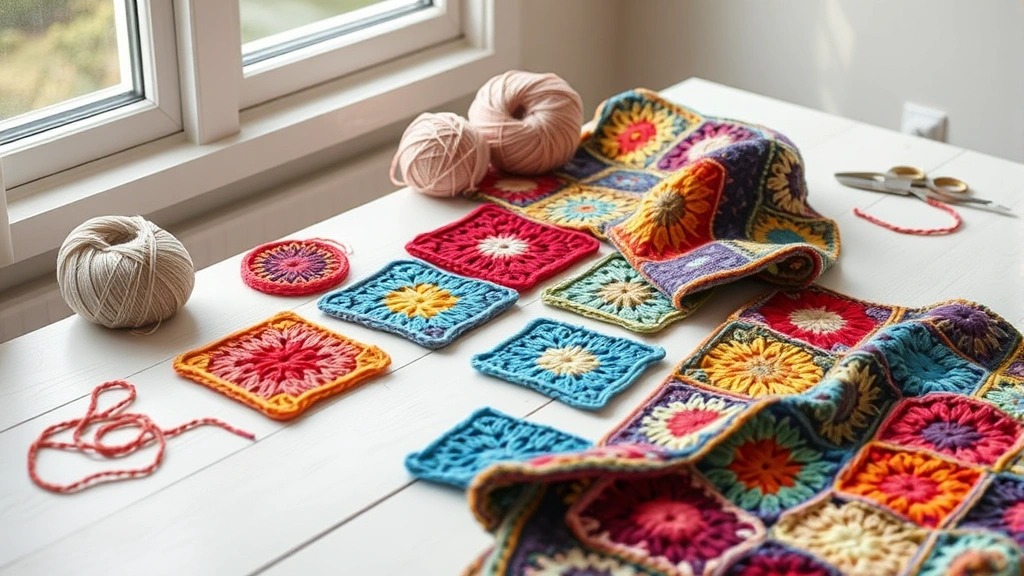
There’s nothing quite like the satisfaction of completing your first crochet project and having someone ask, “How long did that take you?” The answer isn’t as straightforward as you might think. I’ve been crocheting for over fifteen years, and I still get this question constantly. The truth is, crochet time varies wildly based on your skill level, the complexity of the project, your yarn choice, and even your mood that day.
When I started crocheting, I thought I was incredibly slow. My first dishcloth took me three evenings of determined stitching. Now I can whip one out during a single movie. But here’s what I wish someone had told me back then: there’s no “right” speed for crochet. Some people are naturally faster, others take their time and create incredibly precise work. Both approaches are perfectly valid.
Understanding typical crochet timeframes helps you plan projects realistically, whether you’re making a last-minute gift or starting a year-long blanket. It also helps manage expectations when people ask you to make something for them (and trust me, they will ask). Let’s dive into what actually affects your crochet speed and how long different projects typically take.
Quick Answer
Simple projects like dishcloths take 2-4 hours for beginners, while complex items like sweaters can take 40-80+ hours. Your speed depends on skill level, stitch complexity, yarn weight, and personal working pace.
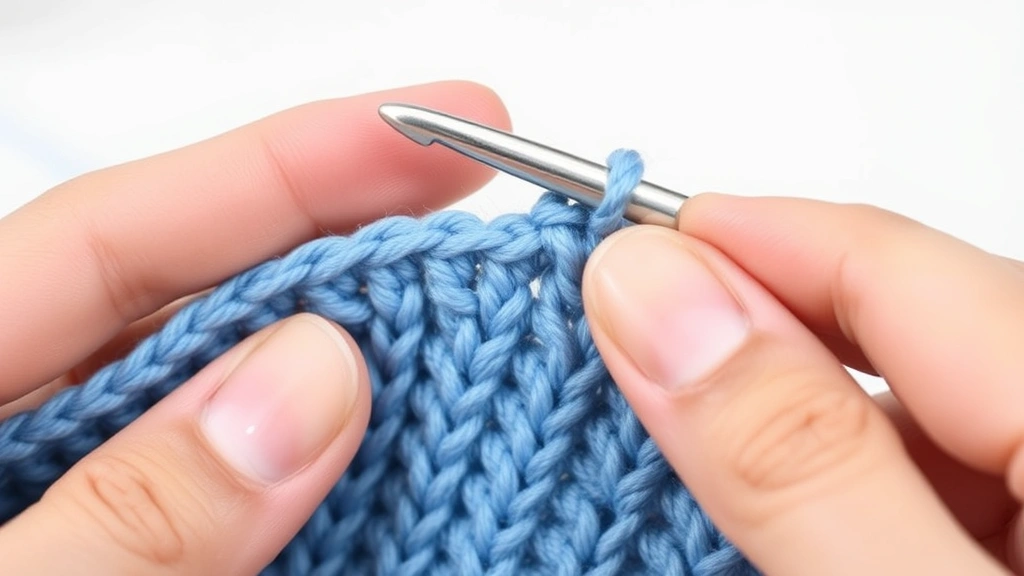
What Affects Your Crochet Speed
Your crochet speed isn’t just about how fast your hands move. Several key factors determine how quickly you’ll finish a project, and understanding these helps you estimate time more accurately.
Skill Level and Muscle Memory
This is the biggest factor by far. When you’re learning, you’re thinking about every single stitch. Where does the hook go? How tight should this be? Am I doing this right? As you develop muscle memory, your hands start working automatically while your mind can wander or focus on stitch counting.
I remember when learning double crochet stitches felt like solving a puzzle every time. Now my hands just know what to do. This transition usually happens somewhere between 20-50 hours of practice, though it varies for everyone.
Yarn Weight and Hook Size
Thicker yarns with larger hooks work up much faster than fine yarns. A scarf in bulky weight yarn might take 8-10 hours, while the same pattern in fingering weight could take 25-30 hours. Here’s why:
| Yarn Weight | Typical Hook Size | Speed Factor | Best For |
|---|---|---|---|
| Bulky (5) | 8-10mm | Fastest | Quick scarves, blankets |
| Worsted (4) | 5-6mm | Fast | Most projects |
| DK (3) | 4-4.5mm | Medium | Baby items, lightweight garments |
| Sport (2) | 3.5-4mm | Slower | Detailed work, summer tops |
| Fingering (1) | 2.25-3.5mm | Slowest | Intricate lacework, socks |
Stitch Complexity
Single crochet is straightforward and rhythmic. Complex stitch patterns with multiple yarn overs, clusters, or color changes slow you down significantly. When I’m working on a simple single crochet blanket, I can easily crochet while watching TV. But intricate lacework demands my full attention and cuts my speed in half.
Personal Factors
Your natural hand coordination, how often you crochet, and even your stress level affect speed. I crochet faster when I’m relaxed and have been practicing regularly. After a week-long break, I’m noticeably slower for the first hour or two.
Pro tip: Don’t rush to increase speed. Focus on consistent tension and clean stitches first. Speed naturally develops with practice, but fixing sloppy tension habits is much harder.
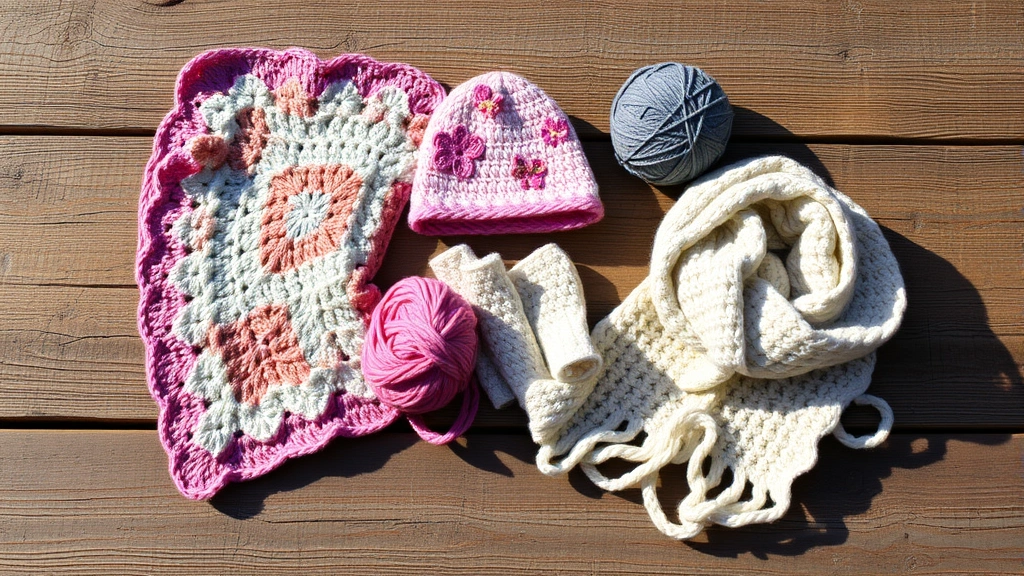
How Long Projects Take for Beginners
If you’re just starting out, here are realistic timeframes for common beginner projects. Remember, these assume you’re learning as you go and making the inevitable mistakes we all make.
Simple Dishcloths and Washcloths
Your first dishcloth will probably take 3-5 hours spread over several sessions. You’ll need to reference instructions frequently, fix dropped stitches, and get comfortable with basic techniques. By your third dishcloth, you’ll likely cut this time in half.
I always recommend starting with worsted weight cotton yarn and a 5mm hook. The basic patterns are forgiving, and you’ll have something useful when you’re done.
Simple Scarves
A basic single crochet scarf in worsted weight yarn typically takes beginners 12-20 hours. This might sound like a lot, but remember you’re building fundamental skills with every stitch. I’ve seen beginners complete beautiful scarves in a weekend of dedicated crocheting.
The key is choosing the right pattern. Avoid anything with complex stitch patterns or color changes for your first scarf. Stick to single crochet or half double crochet in one color.
Granny Square Afghans
Individual granny squares take beginners about 30-45 minutes each once they get the hang of it. A throw-sized blanket needs roughly 48-64 squares, so you’re looking at 24-48 hours of work, plus joining time.
The beauty of granny squares is that you can work on them anywhere and feel accomplished after completing each square. Many beginners find this more motivating than working on one large piece.
Intermediate Crocheter Project Times
Once you’ve mastered basic stitches and can work without constantly checking instructions, your speed increases dramatically. Intermediate crocheters typically have 6 months to 2 years of regular practice under their belts.
Baby Blankets
A simple baby blanket in worsted weight yarn takes intermediate crocheters about 15-25 hours. If you’re working with more complex stitch patterns or finer yarn, expect 25-40 hours. The popular ripple patterns fall somewhere in the middle at around 20-30 hours.
I’ve found that baby blankets are perfect intermediate projects because they’re large enough to show real progress but not so massive that they become overwhelming.
Adult Hats
Basic beanies take 2-4 hours for intermediate crocheters, while more complex patterns with cables or intricate colorwork can take 6-8 hours. The fitted styles that require shaping and careful gauge checking take longer than simple slouchy hats.
Simple Sweaters
This is where things get interesting. A basic pullover sweater in worsted weight yarn typically takes 30-50 hours for intermediate crocheters. Cardigans with button bands and more shaping take 40-60 hours.
The time varies significantly based on size (obviously, larger sizes take longer) and construction method. Top-down seamless sweaters are generally faster than pieces that require sewing together.
| Sweater Size | Basic Pullover | Cardigan | Complex Design |
|---|---|---|---|
| Child (2-8) | 20-35 hours | 25-40 hours | 35-50 hours |
| Adult S/M | 35-50 hours | 40-60 hours | 55-80 hours |
| Adult L/XL | 45-65 hours | 55-75 hours | 70-100 hours |
Advanced Project Timeframes
Advanced crocheters have developed efficient techniques and can tackle complex patterns without constantly referencing instructions. They’ve usually been crocheting regularly for several years and have completed dozens of projects.
Intricate Lace Shawls
Lace shawls are time-intensive even for experienced crocheters. A medium-sized triangular shawl in fingering weight yarn takes 25-40 hours, while large rectangular wraps can take 50-80 hours. The delicate nature of lace means you can’t rush, and fixing mistakes in complex patterns is time-consuming.
I’ve worked on shawls that took me three months of evening crocheting. The key is choosing patterns that keep you engaged – repetitive lace can become meditative, but overly complex charts can be frustrating.
Amigurumi and Detailed Toys
Simple amigurumi like basic animals take 4-8 hours, while complex characters with clothing and accessories can take 15-30 hours. The detailed patterns with multiple color changes and small parts are particularly time-intensive.
What many people don’t realize is that assembly and finishing often take as long as the actual crocheting. Adding embroidered details, sewing pieces together securely, and stuffing properly all take time.
King-Size Blankets
Large blankets are marathon projects. A king-size afghan in worsted weight yarn takes 80-150 hours depending on the stitch pattern. Complex designs like the popular mandala styles can take even longer.
I always tell people that large blankets are commitment pieces. You need to genuinely love the pattern and colors because you’ll be looking at them for months.
Advanced tip: Keep a project journal noting your actual hours worked. This helps you give accurate estimates when people ask you to make things, and it’s fascinating to see how your speed improves over time.
Time Estimates by Project Type
Here’s a comprehensive breakdown of common crochet projects and their typical time requirements. These estimates assume intermediate skill level and account for normal breaks and occasional mistake-fixing.
Quick Projects (Under 5 Hours)
- Dishcloths: 1-2 hours
- Simple hats: 2-4 hours
- Coffee cup sleeves: 30-60 minutes
- Basic headbands: 1-2 hours
- Small amigurumi: 3-5 hours
Weekend Projects (5-15 Hours)
- Infinity scarves: 6-10 hours
- Baby hats and booties sets: 4-8 hours
- Market bags: 5-8 hours
- Simple shawls: 8-15 hours
- Pillow covers: 6-12 hours
Week-Long Projects (15-40 Hours)
- Baby blankets: 15-30 hours
- Adult scarves (complex patterns): 15-25 hours
- Simple cardigans: 25-40 hours
- Lap blankets: 20-35 hours
- Detailed amigurumi: 15-25 hours
Month-Long Projects (40+ Hours)
- Adult sweaters: 40-80 hours
- King-size blankets: 80-150 hours
- Intricate lace shawls: 40-80 hours
- Wedding dress trains: 100+ hours
How to Crochet Faster (Without Sacrificing Quality)
Speed comes naturally with practice, but there are specific techniques that can help you work more efficiently without compromising the quality of your finished pieces.
Develop Consistent Tension
Consistent tension is more important than speed. When your stitches are even, you spend less time adjusting and fixing uneven sections. Practice holding your yarn the same way every time, and find a grip that feels comfortable for extended periods.
I hold my yarn with my pinky finger doing most of the tension control. Some crocheters prefer wrapping around their index finger. There’s no right way, but consistency is key.
Learn to Read Your Work
Advanced crocheters rarely look at written instructions once they understand a pattern’s rhythm. Learning to “read” your crochet – seeing where stitches go without counting every time – dramatically increases speed.
Start by practicing with simple patterns like half double crochet rows. Notice how the top of each stitch looks and where your hook naturally wants to go.
Organize Your Workspace
Having everything within reach saves time and prevents rhythm-breaking interruptions. Keep your yarn ball in a bowl so it doesn’t roll away, have good lighting, and keep scissors and stitch markers handy.
I use a project bag with pockets for all my tools. When I sit down to crochet, everything I need is right there.
Practice During TV Time
Simple, repetitive projects are perfect for mindless crocheting while watching shows. This builds muscle memory without the pressure of complex pattern reading. I’ve completed entire blankets during TV series binges.
Planning Your Crochet Time
Realistic time planning prevents the stress of last-minute rushing and helps you choose appropriate projects for your available time.
Factor in Life Interruptions
Your actual crochet time is always less than you think. Between work, family obligations, and other hobbies, that “quick weekend project” might stretch into two weeks. I typically double my initial time estimates and I’m usually right.
Break Large Projects into Phases
Instead of thinking “this blanket will take 60 hours,” break it down: “I’ll complete 10 squares per week, finishing in 6 weeks.” Smaller milestones feel more achievable and help maintain motivation.
Keep a Backup Project
Always have a simple, portable project ready for unexpected free time. Waiting rooms, commutes, and TV commercial breaks add up. I keep a basic hat or dishcloth project in my purse for these moments.
Seasonal Project Planning
Plan warm-weather projects during cold months and vice versa. Nobody wants to work on a heavy wool sweater in July, and lightweight summer tops aren’t appealing in December. The seasonal approach keeps you motivated and ensures your finished pieces are ready when you need them.
Planning tip: Keep a project notebook with your actual completion times. After a few projects, you’ll know your personal speed patterns and can plan more accurately.
Common Questions
How long does it take to learn to crochet?
Most people can learn basic stitches in a few hours and complete their first simple project within a week. However, becoming comfortable and developing good speed typically takes 20-40 hours of practice over several months. Don’t rush this process – solid fundamentals make everything easier later.
Why am I so slow compared to other crocheters?
Everyone works at different speeds, and that’s perfectly normal. Factors like hand coordination, how often you practice, and even your perfectionist tendencies affect speed. Focus on enjoying the process rather than comparing yourself to others. Consistent practice naturally increases speed over time.
How much yarn do I need for different projects?
Yarn requirements vary widely by project size and yarn weight. A basic dishcloth needs about 100 yards, while a baby blanket requires 1000-1500 yards. Adult sweaters typically need 1200-2000 yards depending on size and design. Always buy slightly more than the pattern calls for – running out of yarn mid-project is frustrating.
Can I crochet faster with different tools?
The right tools can improve comfort and efficiency. Ergonomic hooks reduce hand fatigue during long sessions, and inline hooks (versus tapered) can help maintain consistent tension. However, tools won’t dramatically change your speed – practice and technique matter more than equipment.
How do I estimate time for custom requests?
Track your actual hours on similar projects to build a personal database. For custom work, consider complexity, size, and any special requirements like specific colors or rush timing. I typically estimate conservatively and add 25% buffer time for unexpected challenges or revisions.
Should I time myself while crocheting?
Timing can be helpful for planning purposes, but don’t let it stress you out. Some crocheters find it motivating to track their speed improvements, while others prefer to crochet without pressure. If timing makes the hobby less enjoyable, skip it – crochet should be relaxing, not a race.
How long should I crochet in one session?
Listen to your hands and take breaks when they feel tired or stiff. Most crocheters can work comfortably for 1-3 hours at a time. If you’re experiencing hand pain or stiffness, take more frequent breaks or consider ergonomic hooks. Long-term hand health is more important than finishing quickly.
Do complex stitches always take longer?
Initially, yes. Complex stitches require more thought and precision when you’re learning them. However, once mastered, some “complex” stitches like the treble crochet actually work up faster than simpler ones because they’re taller and cover more ground per stitch. The key is practice and familiarity with the technique.
Understanding crochet timing helps you plan projects realistically and manage expectations – both your own and others’. Remember that speed isn’t everything in crochet. The meditative rhythm of stitching, the satisfaction of creating something beautiful with your hands, and the joy of giving handmade gifts are worth far more than rushing through projects.
Whether you’re a speedy crocheter who completes projects in record time or someone who prefers to savor every stitch, embrace your natural pace. The crochet community has room for all types of makers, and your finished pieces will be treasured regardless of how long they took to create.
Keep practicing, stay patient with yourself, and most importantly, enjoy the journey. Happy crocheting!