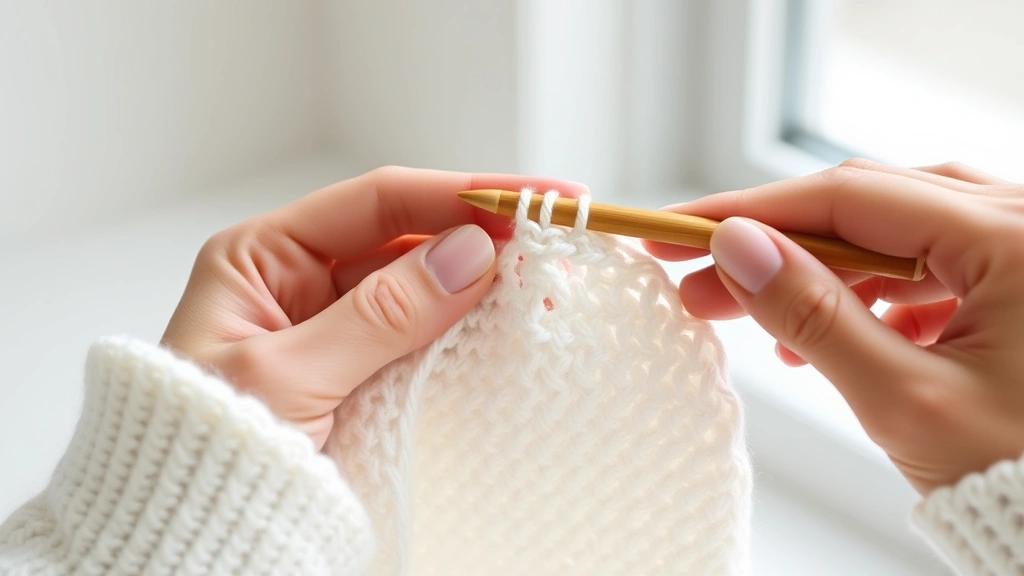
I’ll never forget the first time I tried to crochet with cotton yarn. I was so used to working with acrylic that when I picked up that skein of Lily Sugar ‘n Cream, I was completely thrown off. The yarn felt different in my hands, my tension was all wrong, and my stitches looked nothing like what I expected. Sound familiar?
Cotton yarn has this reputation for being “difficult” or “unforgiving,” but honestly, that’s just because most of us learn on acrylic first. Once you understand how cotton behaves and adjust your technique accordingly, it becomes one of the most rewarding fibers to work with. The structure, the drape, the way it holds its shape – there’s really nothing quite like it.
What makes cotton unique is its lack of stretch and memory. Unlike wool or acrylic, cotton doesn’t bounce back when you pull it. This means your stitches need to be more consistent from the start because cotton won’t hide your mistakes. But here’s the thing – this same quality is what makes cotton perfect for dishcloths, summer tops, and home decor items that need to maintain their shape.
I’ve been working with cotton for over a decade now, and I’ve learned that success with this fiber comes down to understanding its personality. You need to adjust your hook size, change your tension, and sometimes completely rethink your approach. But once you get it, you’ll find yourself reaching for cotton again and again.
Quick Answer
Cotton yarn requires looser tension and often a larger hook size than acrylic. Start with mercerized cotton for easier handling, maintain consistent tension throughout your project, and expect less stretch in your finished pieces. Cotton works beautifully for dishcloths, summer garments, and home decor items.
Understanding Cotton Yarn Properties
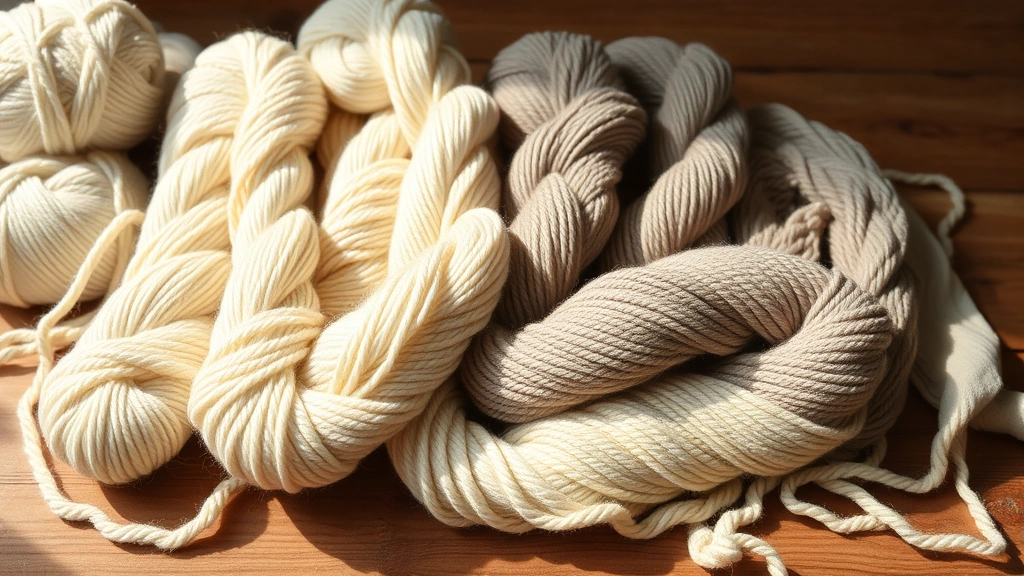
Cotton yarn behaves completely differently from synthetic fibers, and understanding these differences is crucial for success. The biggest thing to wrap your head around is that cotton has zero memory. When you stretch it, it stays stretched. When you work a stitch, that’s the size it’s going to be – there’s no bouncing back to hide uneven tension.
This lack of elasticity means your yarn weight matters more than ever. A worsted weight cotton will behave very differently from a sport weight cotton, not just in thickness but in how it drapes and holds its shape. Cotton also tends to grow with wear and washing, especially if your tension is loose.
The fiber structure of cotton is also worth understanding. Cotton fibers are relatively short compared to wool, which means the yarn can have a slightly rougher texture, especially in budget varieties. This is why choosing quality cotton yarn makes such a difference in your finished project.
Mercerized vs. Non-Mercerized Cotton
Mercerized cotton has been treated with a chemical process that makes the fibers stronger, more lustrous, and easier to work with. If you’re new to cotton, start here. Brands like Lion Brand 24/7 Cotton or Bernat Handicrafter Cotton are great mercerized options that behave more predictably than raw cotton.
Non-mercerized cotton, like many organic cottons, has a more rustic feel and can be slightly more challenging to work with. The stitches might not be as defined, and the yarn can feel a bit “grabbier” on your hook. But for certain projects, this natural texture is exactly what you want.
I always tell new cotton crocheters to start with a mercerized cotton in a light color. You’ll be able to see your stitches clearly, and the yarn will behave more like what you’re used to with acrylic.
Choosing the Right Cotton Yarn
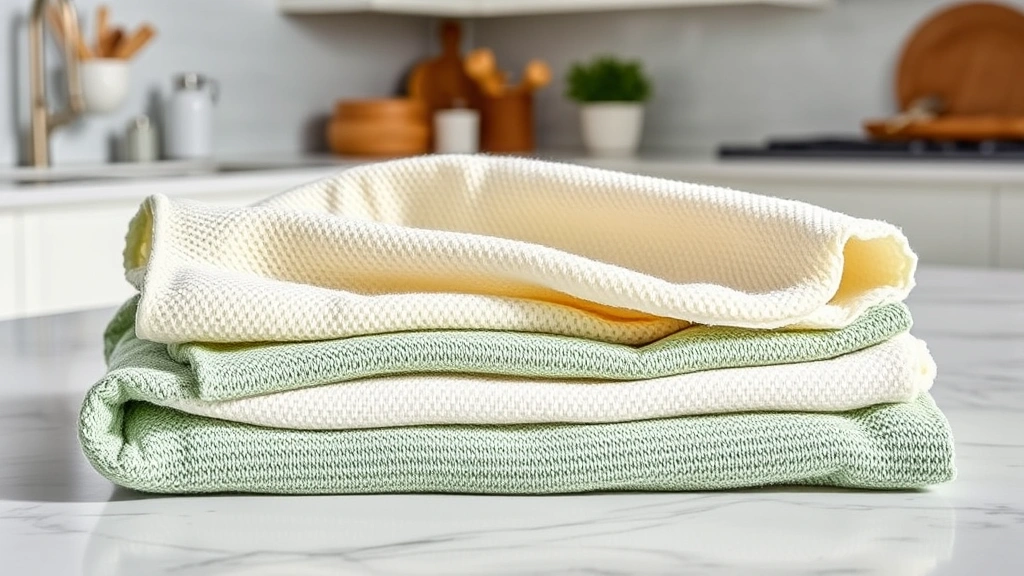
Not all cotton yarns are created equal, and choosing the right one for your project can make or break your experience. I’ve worked with everything from budget cotton blends to luxury organic cotton, and each has its place.
For beginners, I recommend starting with a cotton blend rather than 100% cotton. Something like Red Heart With Love (cotton/acrylic blend) or Caron Simply Soft (acrylic with cotton-like properties) will give you a feel for working with less stretchy fibers without the full challenge of pure cotton.
When you’re ready for 100% cotton, consider these factors:
- Ply construction: Single ply cottons can split easily, while multi-ply yarns are more forgiving
- Twist: Tightly twisted yarns create more defined stitches but can be harder on your hands
- Finish: Mercerized cottons are shinier and stronger; matte cottons have a more natural look
| Cotton Type | Best For | Difficulty Level | Price Range |
|---|---|---|---|
| Mercerized Cotton | Dishcloths, summer tops | Beginner-friendly | $3-6 per skein |
| Organic Cotton | Baby items, eco-conscious projects | Intermediate | $6-12 per skein |
| Cotton Blends | Learning, everyday projects | Beginner | $2-5 per skein |
| Luxury Cotton | Special garments, gifts | Advanced | $8-20 per skein |
For specific projects, I have my go-to recommendations. For dishcloths and washcloths, nothing beats Lily Sugar ‘n Cream or Peaches & Creme. These worsted weight cottons are affordable, machine washable, and get softer with each wash.
Hook Size and Tension Adjustments
This is where most people struggle with cotton yarn, and honestly, it took me years to figure out the right approach. Cotton requires a completely different mindset when it comes to hook size and tension.
First, forget everything you know about hook sizes from working with acrylic. Cotton yarn almost always requires a larger hook than the pattern suggests. If a pattern calls for a G hook (4.25mm) with worsted weight acrylic, you’ll probably need an H (5mm) or even I hook (5.5mm) with cotton.
Why? Cotton doesn’t have the natural stretch that fills in gaps between stitches. If you use too small a hook, your fabric will be stiff and dense. With the right hook size, cotton creates a beautifully draped fabric that’s still structured.
Finding Your Cotton Tension
Your tension with cotton needs to be looser than with acrylic, but not sloppy. Think of it as “relaxed confidence” rather than “tight control.” Here’s how I teach people to find their cotton tension:
- Make a tension swatch
Crochet a 4-inch square in single crochet with your chosen cotton and hook. Don’t worry about matching gauge initially – just focus on creating even stitches that aren’t too tight.
- Check your fabric
The finished square should drape nicely without being floppy. If it stands up on its own like cardboard, your tension is too tight or your hook is too small.
- Adjust gradually
Try going up one hook size rather than loosening your tension drastically. Cotton responds better to hook size changes than tension changes.
I’ve found that working with comfortable, ergonomic hooks makes a huge difference when crocheting with cotton. The less strain on your hands, the more consistent your tension will be throughout long projects.
Here’s a trick I learned from an old-school crocheter: hold your cotton yarn a little differently than acrylic. Let it flow more freely through your fingers rather than gripping it tightly. Cotton wants to move – let it.
Best Projects for Cotton Yarn
Cotton really shines in certain types of projects, and understanding where it works best will set you up for success. I always tell people to start with projects that play to cotton’s strengths: structure, breathability, and washability.
Dishcloths are the perfect cotton starter project. They’re small, forgiving, and you’ll actually use them, so you’ll see how cotton holds up over time. Plus, if you mess up the tension, it doesn’t really matter – a slightly wonky dishcloth still works perfectly fine.
Summer tops and lightweight cardigans are where cotton really shows off. The lack of stretch means your garment will hold its shape beautifully, and the breathability makes it perfect for warm weather. I love using sport weight cotton for summer tank tops – the drape is just gorgeous.
Home Decor Projects
Cotton is fantastic for home decor because it holds its shape and washes well. Some of my favorite cotton projects include:
- Placemats and table runners: The structure of cotton makes these items lie flat and look professional
- Baskets and storage containers: Cotton’s lack of stretch means your baskets won’t sag over time
- Wall hangings: Cotton drapes beautifully for macrame-style pieces
For baby items, cotton is wonderful because it’s naturally hypoallergenic and breathable. However, keep in mind that cotton baby blankets won’t have the stretch and coziness of wool or acrylic. They’re perfect for summer babies or as receiving blankets, but not ideal for snuggling.
Common Mistakes and How to Fix Them
I’ve made every cotton yarn mistake in the book, and I see the same issues come up again and again with other crocheters. The good news is that most of these problems have simple solutions once you know what to look for.
The biggest mistake I see is people trying to crochet cotton exactly like acrylic. They use the same hook size, the same tension, and the same techniques, then wonder why their project looks wrong. Cotton is a different beast entirely, and it needs to be approached differently.
Stiff, Cardboard-Like Fabric
This is usually caused by hooks that are too small or tension that’s too tight. Cotton needs room to breathe. If your fabric could stand up on its own, you need to make adjustments. Try going up a hook size first – this often solves the problem without requiring you to completely retrain your muscle memory.
Sometimes the issue is the cotton itself. Very budget cotton yarns can create stiff fabric no matter what you do. If you’re consistently having this problem, consider upgrading to a better quality cotton or trying a cotton blend.
Uneven Stitches and Tension
Cotton shows every imperfection, which can be frustrating when you’re learning. Unlike acrylic, which tends to even out irregularities, cotton will highlight tension variations. The solution is practice and patience, but there are some tricks that help:
- Work in good lighting so you can see your stitches clearly
- Take breaks more frequently – cotton is less forgiving when you’re tired
- Use stitch markers more liberally to keep track of your work
If you’re working on a large project and notice your tension changing, don’t panic. Sometimes you can block the finished piece to even out minor variations. Cotton responds beautifully to blocking.
Yarn Splitting
Some cotton yarns, especially single-ply varieties, love to split on your hook. This is maddening when you’re trying to maintain a rhythm. Here are my solutions:
- Make sure your hook tip isn’t too sharp or rough
- Insert your hook more deliberately – don’t rush
- Consider switching to a multi-ply cotton if splitting is a constant problem
I keep a small pair of scissors handy when working with cotton. If a stitch splits badly, I’ll cut the yarn and rejoin rather than trying to work with a messy stitch. Cotton is unforgiving enough without adding split stitches to the mix.
Caring for Cotton Crochet Projects
One of cotton’s biggest advantages is how easy it is to care for, but there are still some things you should know to keep your projects looking their best. Cotton is generally machine washable and can handle higher temperatures than wool or acrylic, but the specifics depend on your project and yarn choice.
For everyday items like dishcloths and pot holders, cotton is practically indestructible. You can wash them in hot water, use bleach if needed, and throw them in the dryer without worry. In fact, these items often get better with age – cotton softens and becomes more absorbent with repeated washing.
Garments require more care. While cotton is sturdy, it can shrink and lose shape if not treated properly. I always wash cotton garments in cool water and lay them flat to dry. The lack of stretch in cotton means that hanging a wet garment can cause it to stretch out permanently in unwanted ways.
Blocking Cotton Projects
Blocking is particularly important for cotton projects because the fiber doesn’t have natural memory to bounce back into shape. For blocking cotton pieces, I use the wet blocking method:
- Soak the finished piece in cool water for 15-20 minutes
- Gently squeeze out excess water (never wring)
- Lay flat on blocking mats and pin to measurements
- Allow to dry completely before unpinning
Cotton takes blocking beautifully and will hold the blocked shape much longer than wool. This makes it perfect for lace projects or items where precise measurements matter.
Troubleshooting Cotton Yarn Issues
Even with the best preparation, cotton can throw you some curveballs. Here are the most common issues I encounter and how to solve them quickly so you can get back to enjoying your project.
If your cotton yarn feels rough or scratchy while working, don’t assume you have to suffer through it. Sometimes a quick soak in fabric softener (yes, really!) can make a huge difference. Just rinse thoroughly afterward. Some crocheters also find that working with slightly damp hands helps cotton yarn glide more smoothly.
When your project starts curling or not laying flat, it’s usually a tension issue. Cotton’s lack of stretch means it won’t naturally flatten out like other fibers. Check your edge stitches – are they too tight? Are you accidentally adding or dropping stitches? With cotton, these small inconsistencies become big problems quickly.
Fixing Mistakes in Cotton
Frogging (ripping out) cotton can be more challenging than with other yarns because it doesn’t bounce back. When you pull out stitches, the yarn retains some of the kinks and bends from being worked. Here’s how to minimize the damage:
- Work slowly when frogging – don’t yank
- If the yarn looks kinked after frogging, lightly steam it or dampen it and let it relax
- Sometimes it’s better to cut out a small mistake and rejoin rather than frogging several rows
For projects where you need to add length or width after the fact, cotton is actually forgiving. You can often add borders or extensions that blend seamlessly because cotton doesn’t have the stretch memory that might make additions obvious.
I learned this the hard way: always weave in your ends securely with cotton. The smooth fibers don’t grip each other as well as wool, so ends can work loose more easily. I use the duplicate stitch method for extra security on important projects.
Common Questions
What hook size should I use with cotton yarn?
Start with a hook one size larger than you’d use for acrylic yarn of the same weight. For worsted weight cotton, try an H (5mm) or I (5.5mm) hook instead of the typical G (4.25mm). Cotton needs more space between stitches to drape properly. Always make a gauge swatch first – cotton can vary significantly between brands.
Why does my cotton project feel stiff and rough?
This usually means your hook is too small or your tension is too tight. Cotton doesn’t have the natural stretch to fill in gaps, so tight stitches create a cardboard-like fabric. Try going up a hook size and relaxing your tension. Also, some budget cotton yarns are naturally stiffer – consider upgrading to mercerized cotton for better results.
Can I substitute cotton yarn for acrylic in any pattern?
Not always. Cotton behaves very differently from acrylic – it has no stretch, drapes differently, and can grow with wear. It works well for structured items like dishcloths, summer tops, and home decor, but might not be suitable for items that rely on stretch like fitted garments or stretchy accessories. Always make a gauge swatch when substituting.
How do I prevent cotton yarn from splitting while crocheting?
Use a smooth hook with a rounded tip, and insert it more deliberately into stitches. Single-ply cottons split more easily than multi-ply yarns. If splitting is a constant problem, consider switching to a different cotton yarn or using inline hooks which tend to split yarn less than tapered hooks.
Will my cotton project shrink when I wash it?
Cotton can shrink, especially if washed in hot water or put in the dryer. Pre-wash your yarn if shrinkage is a concern, or stick to cool water washing and air drying for finished projects. Mercerized cottons are generally more stable than raw cotton. Always check the yarn label for specific care instructions.
How much cotton yarn do I need compared to acrylic?
Cotton yarn typically has similar yardage to acrylic of the same weight, but your finished project might use slightly more yarn because cotton often requires looser tension and larger hooks. Buy an extra skein for longer projects, especially since cotton can be dye lot sensitive and you can’t stretch it to make up for running short.
Why are my cotton stitches uneven when my acrylic stitches look fine?
Cotton shows every imperfection because it doesn’t have stretch to even things out. Your tension variations that were hidden by acrylic’s elasticity are now visible. Practice maintaining consistent tension, work in good lighting, and take breaks more frequently. Cotton is less forgiving when you’re tired or rushing.
Can I use cotton yarn for baby blankets?
Yes, but with considerations. Cotton is hypoallergenic and breathable, making it safe for babies. However, cotton blankets won’t be as stretchy or cozy as wool or acrylic. They’re perfect for summer babies, receiving blankets, or decorative pieces, but might not be ideal for snuggling. Choose soft, mercerized cotton for the best feel against baby’s skin.
Working with cotton yarn is definitely a learning curve, but once you get the hang of it, you’ll discover why so many crocheters love this versatile fiber. The key is understanding that cotton has its own personality – it’s structured, honest, and beautifully predictable once you learn to work with its qualities rather than against them.
Start with a simple project like a dishcloth or small basket, use a mercerized cotton, and don’t be afraid to go up a hook size or two. Give yourself permission to adjust your technique, and remember that every expert cotton crocheter started exactly where you are now – probably wondering why their stitches looked so different!
The projects you’ll create with cotton will have a professional, lasting quality that’s hard to achieve with other fibers. From kitchen essentials that get better with every wash to summer garments that hold their shape beautifully, cotton opens up a whole new world of crochet possibilities. Take your time, be patient with yourself, and enjoy discovering what this amazing fiber can do.