Last month, I was crocheting a baby blanket for my niece when I realized I’d been making the same mistake for years – I wasn’t properly understanding how different crochet hook sizes actually affect my finished projects. Sure, I knew bigger hooks made bigger stitches, but I had no idea how dramatically hook size impacts everything from yarn consumption to drape to the overall look of your work.
It wasn’t until I accidentally grabbed the wrong hook size halfway through that blanket (a 6mm instead of my usual 5mm) that I saw firsthand how much difference one millimeter can make. The fabric suddenly felt completely different – looser, more flexible, but also less structured. That’s when I decided to dive deep into understanding hook sizes and how to choose the right one for every project.
Here’s what I’ve learned after testing dozens of hook sizes with different yarn weights, and why getting this right will save you from frogging projects and wasting yarn.
Quick Answer
Crochet hook size directly affects stitch size, fabric drape, and yarn consumption. Match your hook to your yarn weight using standard guidelines, but always make a gauge swatch first. Most projects work best when your hook creates fabric that’s neither too tight nor too loose for the intended use.
Understanding Hook Size Systems
Crochet hooks come in different sizing systems that can honestly be confusing at first. In the US, we use letter and number combinations (like G/6 or H/8), while the metric system uses millimeters (4mm, 5mm, 6mm). The UK has its own numbering system that runs in reverse – smaller numbers mean bigger hooks.
I keep a conversion chart bookmarked because switching between patterns from different countries used to drive me crazy. A US H/8 hook is 5mm, but in old UK patterns, that same size might be called a 6.
| US Size | Metric (mm) | UK Size | Common Use |
|---|---|---|---|
| B/1 | 2.25mm | 14 | Thread crochet |
| C/2 | 2.75mm | 12 | Fine lace |
| D/3 | 3.25mm | 10 | Light fingering |
| E/4 | 3.5mm | 9 | Sport weight |
| F/5 | 3.75mm | 8 | DK weight |
| G/6 | 4mm | 7 | Light worsted |
| H/8 | 5mm | 6 | Worsted weight |
| I/9 | 5.5mm | 5 | Heavy worsted |
| J/10 | 6mm | 4 | Aran weight |
| K/10.5 | 6.5mm | 3 | Chunky |
| L/11 | 8mm | 2 | Bulky |
The metric system is honestly the most straightforward – 5mm means the hook shaft is 5 millimeters in diameter. When you’re reading crochet patterns, always check which sizing system the designer used. I’ve seen too many projects go wrong because someone used a G hook thinking it was 4mm when the pattern called for metric sizing.
Regional Variations
Vintage patterns can be especially tricky. Pre-1970s American patterns often used different sizing systems, and some international patterns still use their own unique measurements. When in doubt, go by the millimeter measurement – it’s universal and doesn’t change between countries or decades.
Matching Hooks to Yarn Weights
The Craft Yarn Council provides standard hook size recommendations for each yarn weight, but here’s the thing – these are starting points, not rules carved in stone. I’ve learned that the “right” hook size depends on what you’re making and how you want the finished fabric to feel.
For example, when I’m working on beginner crochet patterns with worsted weight yarn, the standard recommendation is an H/8 (5mm) hook. But if I’m making a structured bag that needs to hold its shape, I might go down to a G/6 (4mm) for tighter stitches. For a flowy summer top, I might use an I/9 (5.5mm) for more drape.
| Yarn Weight | Standard Hook | Tighter Fabric | Looser Fabric | Best For |
|---|---|---|---|---|
| Fingering (1) | B/1-E/4 | Steel hooks | E/4-F/5 | Lace, socks |
| Sport (2) | E/4-F/5 | D/3-E/4 | F/5-G/6 | Baby items, light garments |
| DK (3) | F/5-G/6 | E/4-F/5 | G/6-H/8 | Sweaters, accessories |
| Worsted (4) | G/6-I/9 | F/5-G/6 | H/8-J/10 | Afghans, most projects |
| Chunky (5) | I/9-K/10.5 | H/8-I/9 | J/10-L/11 | Quick projects, winter wear |
| Super Chunky (6) | K/10.5-M/13 | J/10-K/10.5 | L/11+ | Blankets, rugs |
I always keep multiple hook sizes handy when starting a new project. Even if the pattern specifies a hook size, I’ll test a few options to see which gives me the fabric I want. This is especially important when you’re working with cotton yarn, which behaves differently than acrylic or wool.
Adjusting for Personal Tension
Your natural crochet tension plays a huge role in hook selection. I’m a fairly tight crocheter, so I often need to go up a hook size from pattern recommendations. My friend Sarah crochets much more loosely and frequently needs smaller hooks. There’s no shame in adjusting – it’s actually the mark of an experienced crocheter who understands their own style.
How Hook Size Changes Your Fabric
This is where hook size selection gets really interesting. The same yarn can create completely different fabrics depending on your hook choice, and understanding these effects will make you a much more intentional crocheter.
When I use a smaller hook than recommended, I get denser fabric with less drape. The stitches are tighter, there’s less space between them, and the finished piece holds its shape better. This is perfect for structured bags, pot holders, or anything that needs to maintain its form.
Larger hooks create the opposite effect – more open fabric with better drape. The yarn flows more freely, creating a softer hand and more flexibility. This works beautifully for scarves, shawls, or summer tops where you want movement and breathability.
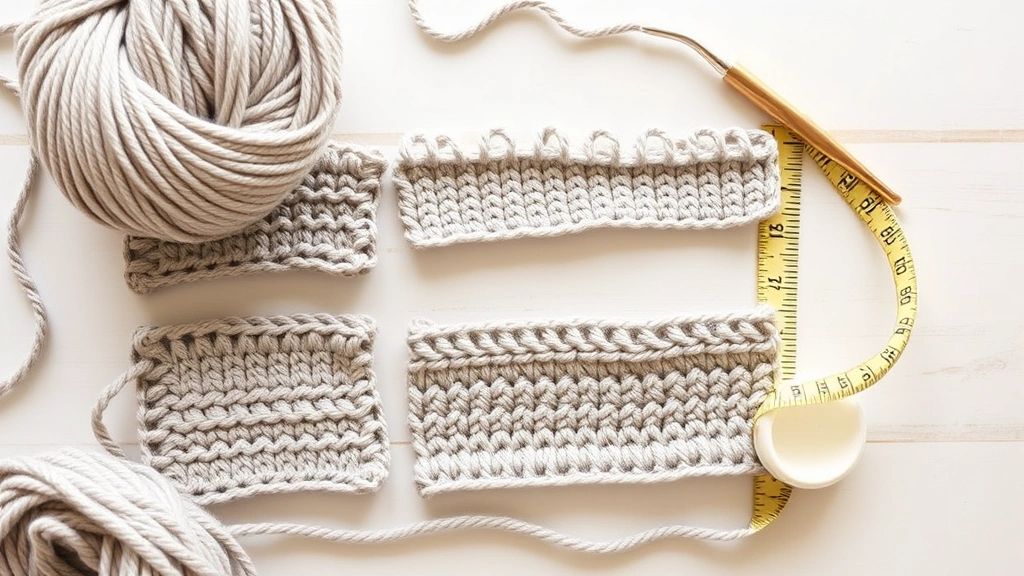
Pro tip: Make three small swatches with the same yarn using hooks one size smaller, the recommended size, and one size larger. Feel the difference in your hands – it’s dramatic.
Stitch Definition Impact
Hook size also affects how clearly your stitches show up. With very bulky yarn and a large hook, individual stitches can look loose and undefined. With the same yarn and a smaller hook, each stitch becomes more distinct and structured.
I learned this lesson while making an intricate stitch pattern with chunky yarn. Using the recommended L/11 hook made my beautiful textured pattern look messy and unclear. Dropping down to a J/10 suddenly made every stitch pop and the pattern became stunning.
Choosing Hooks for Different Projects
Different types of projects have different requirements, and your hook choice should reflect that. I’ve developed some go-to approaches based on what I’m making.
Garments and Wearables
For sweaters and cardigans, I almost always make multiple gauge swatches. The drape of the fabric is crucial – too tight and the garment won’t move with your body, too loose and it won’t hold its shape after washing. I typically start with the pattern’s recommended hook size, then try one size up and one size down.
When working on baby items, I lean toward slightly smaller hooks for durability. Baby clothes and blankets get washed frequently and need to maintain their shape through multiple wash cycles.
Home Decor Projects
Blankets and afghans are where hook size really matters for practicality. A blanket made with too large a hook will have gaps that don’t provide much warmth. Too small, and you’ll be crocheting forever, plus the finished blanket will be stiff and heavy.
For dishcloths and kitchen items, I go smaller than recommended. These need to be dense and absorbent, and looser fabric just doesn’t work as well for cleaning.
Amigurumi and Toys
Stuffed animals and toys need tight, dense fabric so the stuffing doesn’t show through. I typically use a hook 1-2 sizes smaller than the yarn label suggests. This creates that smooth, even surface that makes amigurumi look professional.
“I once made a stuffed elephant with the recommended hook size and you could see the polyester stuffing through the gaps. Now I always size down for toys, and the difference is night and day.”
Why Gauge Matters More Than You Think
I used to skip gauge swatches all the time – what a mistake that was. Gauge isn’t just about matching measurements in a pattern; it’s about understanding how your hook choice affects the final result.
When you make a gauge swatch, you’re not just checking if you get 4 inches with 16 stitches. You’re testing whether the fabric feels right for your project. Does it have the drape you want? Is it too stiff or too floppy? Will it hold up to wear and washing?
I make my gauge swatches at least 6 inches square now, and I actually wash and block them like I would the finished project. Yarn behavior can change dramatically after washing, especially with natural fibers.
When Gauge Doesn’t Match
If your gauge is too loose (fewer stitches per inch than the pattern calls for), go down a hook size. If it’s too tight (more stitches per inch), go up a hook size. But here’s the key – also pay attention to how the fabric feels and looks.
Sometimes I’ll match the stitch gauge perfectly but the row gauge is off. This usually means I need to adjust my crochet tension or technique rather than changing hooks.
Common Hook Size Problems
Over the years, I’ve run into pretty much every hook size problem you can imagine. Here are the most common issues and how to fix them.
Fabric Too Stiff
If your finished work feels like cardboard, you’re probably using too small a hook. This happens a lot with cotton yarn, which can create very dense fabric if you’re not careful. Try going up a hook size or two until the fabric has some give to it.
Stitches Too Loose
When your stitches look sloppy and uneven, or when you can see through your fabric when you don’t want to, size down your hook. This is especially common when switching from acrylic to natural fibers, which often need smaller hooks for the same effect.
Running Out of Yarn
Using a larger hook than recommended will make you use less yarn, while a smaller hook uses more. If you’re running short on yarn partway through a project, you might be able to switch to a slightly larger hook for the remaining sections, but test this on a swatch first.
Emergency tip: If you’re almost out of yarn and can’t get more, try switching to a hook one size larger for border rounds or final sections. The difference is usually minimal, but the yarn savings can be significant.
Hook Size Inconsistency
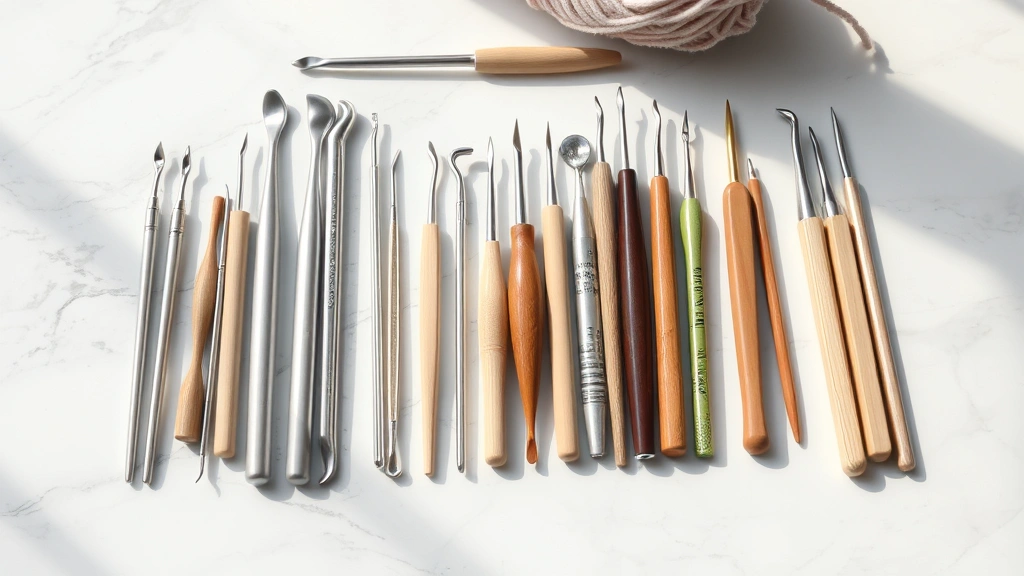
Different hook brands can vary slightly in their actual measurements, even when labeled the same size. I have three different H/8 hooks, and they all create slightly different gauge. When precision matters, stick with the same brand throughout a project.
Hook Materials and Their Impact
The material your hook is made from can actually affect what size you need. I’ve noticed that my aluminum hooks tend to grab yarn differently than my bamboo ones, even at the same size.
Aluminum hooks are smooth and let yarn glide easily, which can make your stitches slightly looser. Bamboo hooks have more grip, which can tighten up your work. Plastic hooks fall somewhere in between.
For slippery yarns like silk or bamboo, I often prefer hooks with a bit more grip – wood or bamboo work well. For sticky yarns like some cottons, smooth aluminum hooks make the work flow better.
Ergonomic Considerations
Comfort matters too, especially for large projects. I have arthritis in my hands, so I’ve invested in ergonomic hooks with larger handles. These sometimes affect my gauge slightly because they change how I hold the hook, so I always test gauge when switching hook styles.
Common Questions
What happens if I use the wrong hook size?
Using the wrong hook size changes your fabric’s drape, density, and appearance. Too large creates loose, floppy fabric; too small makes stiff, dense fabric. For garments, wrong hook size can affect fit dramatically. Always make a gauge swatch to test before committing to a full project.
Can I mix different hook sizes in one project?
Yes, but do it intentionally. I often use smaller hooks for ribbing or edges that need structure, then switch to larger hooks for the body of garments. Some patterns specifically call for different hook sizes in different sections. Just make sure transitions look intentional, not accidental.
How do I know if my hook size is right without making gauge?
Make a small test swatch – even 10-15 stitches will tell you a lot. The fabric should feel appropriate for your project: structured for bags and toys, drapey for garments and scarves. If stitches look uneven or you can see through fabric when you don’t want to, adjust your hook size.
Do expensive hooks make a difference in sizing?
Quality hooks maintain their size more consistently and last longer, but they don’t change the fundamental relationship between hook size and fabric. However, different materials (aluminum vs. wood vs. plastic) can slightly affect your gauge due to how yarn moves across them.
Should I buy a complete set of hooks or just what I need?
Start with the sizes you’ll use most: F/5, G/6, H/8, and I/9 cover most worsted weight projects. Add sizes as you need them for specific projects. I recommend having at least one size smaller and larger than any pattern calls for, so you can adjust if needed.
How much yarn does hook size affect usage?
Hook size significantly impacts yarn consumption. A hook one size larger might use 10-15% less yarn, while one size smaller could use 15-20% more. This matters for expensive yarns or when you have limited quantities. Always calculate yardage based on your actual gauge, not pattern estimates.
Can I substitute hook sizes between US and metric patterns?
Always convert to the actual millimeter measurement rather than assuming equivalent letters/numbers. A US G/6 is 4mm, but some patterns might list “size 6” meaning 6mm. When in doubt, use millimeters – they’re universal and don’t change between countries or decades.
Why do my stitches look different with the same hook size?
Yarn weight, fiber content, and your personal tension all affect how stitches look, even with identical hook sizes. Cotton creates different fabric than acrylic, and your mood and fatigue level can change your tension. This is why gauge swatches matter more than just matching hook sizes to patterns.
Understanding hook sizes has completely changed how I approach crochet projects. Instead of blindly following pattern recommendations, I now think about what I want the finished fabric to feel like and choose my hook accordingly. It’s made me a more confident crocheter and helped me avoid so many frustrating do-overs.
The next time you start a project, take a few extra minutes to test different hook sizes with your yarn. Make those gauge swatches, feel the fabric in your hands, and choose the hook that gives you the result you’re after. Your future self will thank you when your finished project looks and feels exactly right.
Happy crocheting, and remember – there’s no such thing as the “wrong” hook size, only the wrong hook size for what you’re trying to achieve!