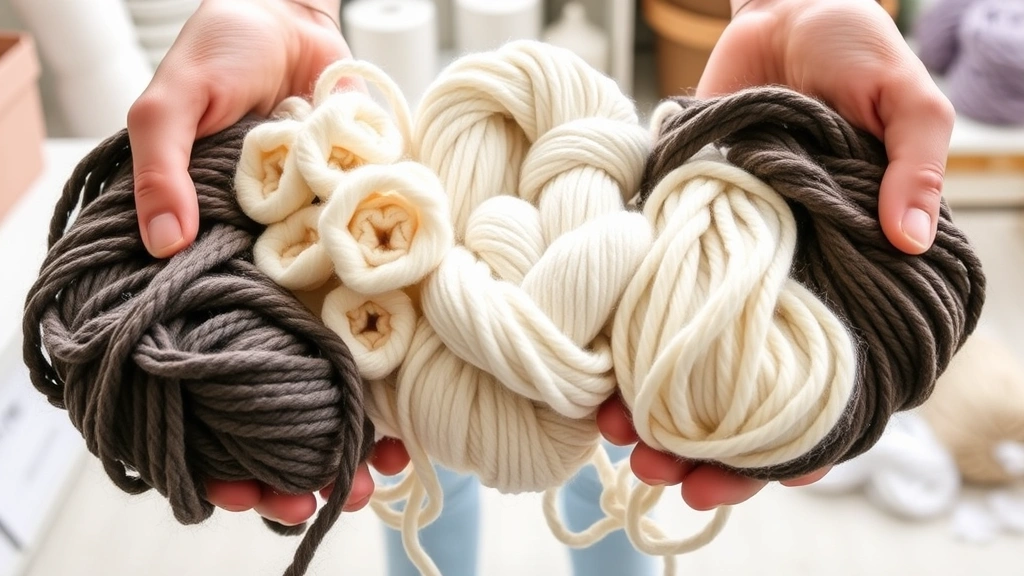
I’ll never forget the first time I tried to make a granny square blanket. I was so excited about this gorgeous variegated yarn I’d bought, imagining how stunning it would look in those classic granny square motifs. Three squares in, I realized I had a problem – you couldn’t see the beautiful stitch definition at all. The colors were fighting each other, and my careful double crochets just disappeared into a muddy mess.
That’s when I learned one of the most important lessons in crochet: yarn choice can make or break your project. It doesn’t matter how perfect your tension is or how precisely you follow the pattern – if your yarn isn’t suited to your project, you’re setting yourself up for disappointment.
Over the years, I’ve made plenty of yarn mistakes (and learned from every single one). I’ve used cotton for a drapey cardigan that ended up looking like a potato sack, tried to make a delicate doily with chunky wool, and attempted amigurumi with slippery bamboo yarn that had me cursing under my breath. But I’ve also discovered some incredible yarn and project combinations that made me fall in love with crochet all over again.
The thing is, choosing the right yarn isn’t just about following the pattern’s suggestion. Sure, that’s a great starting point, but understanding why certain yarns work better for specific projects will make you a more confident crocheter. You’ll know when you can successfully substitute yarns, when to stick exactly to the pattern, and how to avoid those frustrating “this doesn’t look right” moments.
Quick Answer
The best yarn for your crochet project depends on the item’s intended use, required drape, and durability needs. Cotton works well for dishcloths and summer tops, wool is ideal for warm garments and blankets, and acrylic offers affordability and easy care for everyday items.
Understanding Yarn Weights and Their Uses
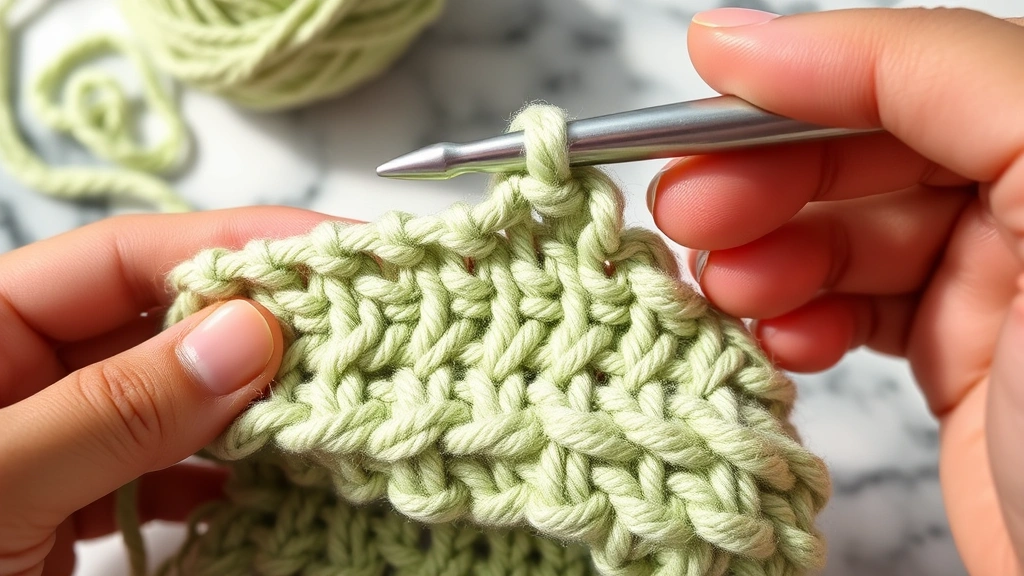
Yarn weight is probably the most crucial factor in choosing the right yarn for your project. The Craft Yarn Council has standardized this system, and it’s your roadmap to success.
Let me break down the most common weights and where they shine:
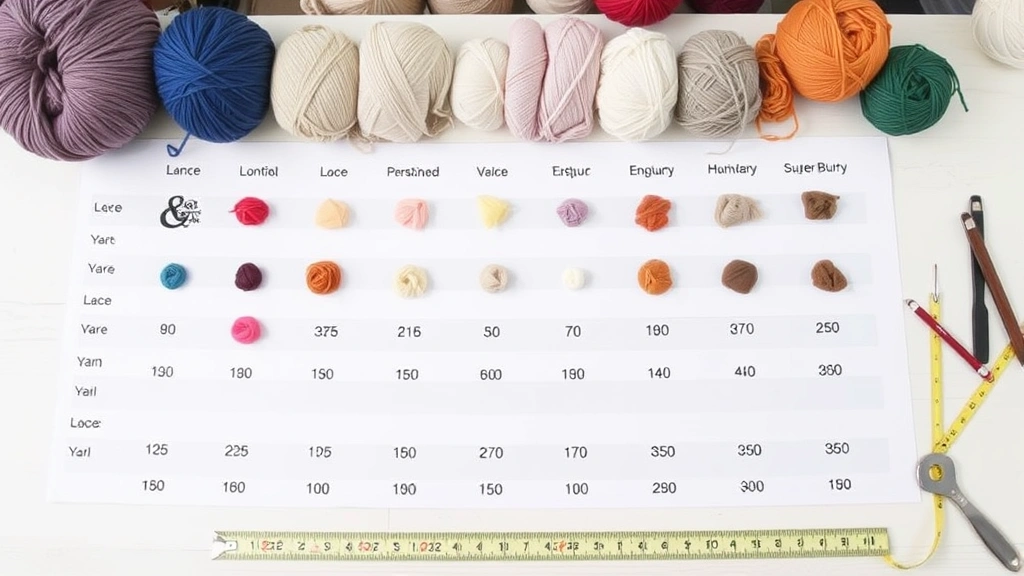
| Weight | Name | Hook Size | Best Projects |
|---|---|---|---|
| 1 | Lace/Fingering | 2.25-3.5mm | Delicate shawls, doilies |
| 2 | Sport | 3.5-4.5mm | Baby items, lightweight sweaters |
| 3 | DK | 4.5-5.5mm | Light sweaters, blankets |
| 4 | Worsted | 5.5-6.5mm | Afghans, sweaters, hats |
| 5 | Bulky | 6.5-9mm | Quick blankets, chunky scarves |
| 6 | Super Bulky | 9-15mm | Super quick projects, rugs |
Here’s what I’ve learned about each weight: Lace weight requires patience but creates stunning, delicate pieces. I love using it for intricate lace patterns where every stitch matters. Sport weight is my go-to for baby blankets – it’s substantial enough to be warm but not too heavy for little ones.
DK weight is incredibly versatile. I’ve used it for everything from summer cardigans to cozy throws. It works up relatively quickly but still shows stitch definition beautifully. Worsted weight is the workhorse of the crochet world – it’s what most patterns assume you’re using if they don’t specify otherwise.
Pro tip: When you’re starting a new technique, like learning Tunisian crochet basics, stick with worsted weight yarn. It’s forgiving and easy to see your stitches.
Yarn Fiber Types: What Works Where
The fiber content of your yarn is just as important as the weight. Each fiber has its own personality, and understanding these characteristics will save you from project disasters.
Cotton: The Reliable Workhorse
Cotton is my favorite for kitchen items, summer tops, and baby projects. It’s machine washable, breathable, and gets softer with each wash. Lion Brand 24/7 Cotton and Lily Sugar ‘n Cream are my go-to options.
Cotton works beautifully for dishcloth patterns because it’s absorbent and durable. However, cotton has no stretch recovery, so it’s not ideal for fitted garments that need to bounce back to shape.
Wool: The Temperature Regulator
Wool is magic for cold-weather projects. It insulates even when wet, has natural stretch, and feels luxurious to work with. I love using wool for winter sweaters, cozy blankets, and accessories.
The downside? Wool requires more careful washing and can be pricey. But for projects you’ll treasure for years, it’s worth the investment. KnitPicks offers excellent wool yarns at reasonable prices.
Acrylic: The Practical Choice
Don’t let yarn snobs tell you acrylic is inferior. Modern acrylics like Red Heart Super Saver and Lion Brand Vanna’s Choice are incredibly durable, machine washable, and budget-friendly. They’re perfect for charity projects, kids’ items, and anything that needs frequent washing.
Acrylic is also hypoallergenic, making it ideal for baby items when parents have concerns about wool allergies.
Blends: Best of Both Worlds
Yarn blends combine the best properties of different fibers. Cotton-acrylic blends give you cotton’s breathability with acrylic’s durability. Wool-acrylic blends provide wool’s warmth with easier care.
I’ve found that 80/20 cotton-acrylic blends are fantastic for summer cardigans. They drape beautifully but hold their shape better than pure cotton.
Project-Specific Yarn Recommendations
Let me share what I’ve learned works best for different types of projects. These recommendations come from years of trial and error (emphasis on the error part!).
Blankets and Afghans
For baby blankets, I always reach for soft cotton or cotton blends in DK or worsted weight. Cotton is safe, washable, and breathable. My favorite is Bernat Baby Cotton in worsted weight – it’s incredibly soft and comes in beautiful colors.
For adult throws, wool or wool blends in worsted weight create cozy, warm blankets. If you’re making a granny square blanket, choose a yarn with good stitch definition so your beautiful squares show up clearly.
Garments
Sweaters need yarn with drape and shape retention. For fitted garments, wool or wool blends are ideal because they have natural stretch. Cotton works for loose, flowy tops but will stretch out over time in fitted styles.
When I’m making cardigans, I always do a gauge swatch and wash it to see how the fabric behaves. This step has saved me from countless disappointments.
Accessories
Hats and scarves can handle almost any fiber, but consider the wearer’s lifestyle. Wool is warmest but requires hand washing. Acrylic is practical for everyday wear and active kids.
For summer accessories like sun hats, cotton or linen blends provide breathability and structure.
Home Decor Items
Dishcloths and washcloths need 100% cotton for absorbency. I love using textured washcloth patterns with Sugar ‘n Cream cotton – it’s inexpensive and works up quickly.
For decorative items like baskets or plant holders, cotton or cotton blends provide structure. Jute or hemp blends add interesting texture for rustic projects.
Storage tip: When working on large projects like blankets, store your yarn in a clean, dry place and keep balls from the same dye lot together. Color variations between dye lots can be quite noticeable in large pieces.
How Yarn Affects Texture and Stitch Definition
This is where yarn choice gets really interesting. The same stitch pattern can look completely different depending on your yarn choice, and understanding this will elevate your crochet game significantly.
Smooth vs Textured Yarns
Smooth yarns like cotton or superwash wool show off intricate stitch patterns beautifully. If you’re working on cable crochet patterns or detailed texture work, smooth yarn is your friend. Every stitch will be crisp and defined.
Textured yarns like boucle or chenille create interesting fabric but can hide stitch detail. I learned this the hard way when I tried to make a complex Celtic knot pattern with fuzzy mohair – you couldn’t see any of the beautiful cables!
Color Considerations
Light colors show stitch definition better than dark colors. When I’m learning a new technique or trying a complex pattern, I always start with a light-colored, smooth yarn. You can actually see what you’re doing!
Variegated yarns can be tricky. They’re gorgeous in the skein but can create visual chaos in complex patterns. Save them for simple stitches like single crochet or basic granny squares where the yarn is the star.
Yarn Twist and Ply
Tightly twisted yarns hold their shape well and show stitch definition clearly. Loosely twisted yarns are softer but can pill more easily and may not show intricate patterns as well.
Single-ply yarns tend to be softer but less durable than multi-ply yarns. For items that will get heavy use, choose a sturdy multi-ply construction.
Budget-Friendly vs Premium Yarn Options
Let’s talk money, because yarn costs can add up quickly. I’ve learned when to splurge and when to save, and it’s not always what you’d expect.
When to Choose Budget Yarn
For practice projects, charity items, or anything that will get heavy wear and frequent washing, budget acrylic yarns are perfect. Red Heart Super Saver gets a bad rap, but it’s incredibly durable and comes in every color imaginable.
I use budget yarn for all my beginner amigurumi projects when I’m learning new techniques. No point using expensive yarn while you’re figuring out tension and construction.
When to Invest in Quality
For garments you’ll wear often, baby items, or special gifts, investing in quality yarn makes a huge difference. The feel, drape, and longevity of premium yarns justify the cost.
Natural fibers like wool, alpaca, and high-quality cotton blends create heirloom pieces that improve with age. I have sweaters made with good wool yarn that still look fantastic after years of wear.
Smart Shopping Strategies
Buy yarn on sale and stock up on colors you use frequently. Most yarn stores have seasonal sales, and online retailers like Yarnspirations often offer significant discounts.
Join store loyalty programs and sign up for newsletters to get advance notice of sales. I’ve saved hundreds of dollars over the years just by timing my purchases.
Here’s my rule: if I’m spending more than 20 hours on a project, I invest in good yarn. Life’s too short to spend weeks working with scratchy, unpleasant yarn.
When and How to Substitute Yarns
Sometimes you fall in love with a pattern but can’t find the exact yarn specified. Don’t panic – successful substitution is totally doable if you understand the principles.
Matching Yarn Weight
This is non-negotiable. Always substitute within the same yarn weight category. A worsted weight pattern won’t work with sport weight yarn, no matter how you adjust your hook size.
Check the pattern’s gauge requirements and make sure your substitute yarn can achieve the same gauge with an appropriate hook size.
Consider Fiber Properties
Think about why the original yarn was chosen. If it’s a fitted sweater calling for wool, substituting cotton will change the fit dramatically because cotton doesn’t have stretch recovery.
For structured items like bags or baskets, you need yarn with body. Drapey yarns like bamboo or silk won’t provide the structure needed.
Yardage Calculations
Always buy based on yardage, not number of balls. Different brands have different yardages per ball, even in the same weight category.
Add 10% extra yardage to account for differences in your tension compared to the pattern designer’s. It’s better to have leftover yarn than to run short near the end of a project.
Substitution test: Before committing to a full project, make a gauge swatch with your substitute yarn. Wash and block it the same way you’ll treat the finished item to see how it behaves.
Common Yarn Selection Mistakes to Avoid
Let me share the most common yarn mistakes I see (and have made myself) so you can avoid the frustration.
Ignoring Care Instructions
Always check the yarn label for care instructions before starting a project. There’s nothing worse than finishing a beautiful sweater only to discover it requires hand washing when you need machine washable.
If you’re making gifts, consider the recipient’s lifestyle. A hand-wash-only baby blanket isn’t practical for busy new parents.
Choosing Style Over Function
That gorgeous fuzzy mohair might look amazing in the store, but it’s terrible for beginners or complex patterns. Choose yarn that suits both your skill level and the project requirements.
Slippery yarns like bamboo or silk can be challenging for basic crochet stitches until you develop good tension control.
Not Buying Enough Yarn
This is the most heartbreaking mistake. Always buy all your yarn at once from the same dye lot. Colors can vary significantly between dye lots, and there’s no guarantee the store will have more when you run out.
When in doubt, buy an extra ball. Most stores accept returns of unused yarn, and having too much is infinitely better than not having enough.
Skipping the Gauge Swatch
I know, I know – gauge swatches are boring. But they’re essential for fitted garments and projects with specific size requirements. A gauge that’s off by even half a stitch can result in a sweater that’s several inches too big or small.
Make your swatch with the same hook and technique you’ll use for the project, and wash it if the finished item will be washed.
Common Questions
What’s the most versatile yarn weight for beginners?
Worsted weight (weight 4) is the most beginner-friendly choice. It’s thick enough to see your stitches clearly, works up relatively quickly, and most patterns are written for this weight. Start with a smooth, light-colored worsted weight cotton or acrylic in a solid color.
Can I use cotton yarn for winter sweaters?
Cotton isn’t ideal for winter sweaters because it doesn’t provide insulation like wool does. Cotton also lacks elasticity, so fitted sweaters may stretch out of shape over time. For winter garments, choose wool, wool blends, or warm synthetic fibers designed for cold weather.
How much yarn do I need for a typical throw blanket?
A standard throw blanket (approximately 50″ x 60″) typically requires 1,800-2,400 yards of worsted weight yarn, depending on the stitch pattern. Dense stitches like single crochet use more yarn than open patterns like granny squares. Always check your specific pattern for exact yardage requirements.
Is expensive yarn always better quality?
Not necessarily. Price often reflects fiber content and brand prestige rather than just quality. Some budget acrylic yarns are excellent for their intended purpose, while some expensive yarns may not suit your specific project needs. Focus on choosing yarn appropriate for your project rather than just the most expensive option.
What yarn works best for dishcloths?
100% cotton is the best choice for dishcloths because it’s absorbent, durable, and machine washable. Sugar ‘n Cream and Peaches & Creme are popular, affordable options. Avoid cotton blends for dishcloths as synthetic fibers reduce absorbency and can retain odors.
Can I mix different yarn brands in the same project?
You can mix brands as long as they’re the same weight and fiber content, but test them together first. Different brands may have slightly different thicknesses or dye processes, which can create visible lines in your finished project. This works better for projects with color changes than for solid-color items.
How do I know if a yarn will pill badly?
Yarns with shorter fibers and loose twist are more prone to pilling. Rub a small section of the yarn between your fingers – if fibers come loose easily, the yarn will likely pill. Acrylic yarns vary widely in quality; higher-end acrylics like Lion Brand Vanna’s Choice pill less than budget options.
What’s the difference between superwash and regular wool?
Superwash wool has been treated to prevent felting, making it machine washable. Regular wool will shrink and felt if machine washed in warm water. Superwash wool is perfect for baby items and everyday garments that need easy care, while regular wool is better for items that benefit from the natural lanolin and traditional wool properties.
Making Your Next Project a Success
Choosing the right yarn doesn’t have to be overwhelming once you understand the basics. Start by considering your project’s end use – will it need frequent washing? Does it need to be warm or cool? Will it get heavy wear or be decorative?
Remember that there’s no single “perfect” yarn for every project. Even experienced crocheters sometimes choose yarns that don’t work out as expected. The key is learning from each project and building your knowledge base.
My advice? Start with simple, reliable combinations while you’re learning. Use worsted weight cotton for dishcloths, worsted weight acrylic for practice projects and blankets, and worsted weight wool for winter accessories. As you gain experience, you’ll develop intuition for more adventurous yarn choices.
Most importantly, don’t let yarn choice paralysis stop you from starting projects. Sometimes the best way to learn is by diving in and seeing what happens. Keep notes about what works and what doesn’t – your future self will thank you when you’re standing in the yarn store trying to remember which brand you loved for that last baby blanket.
Happy crocheting, and may all your yarn choices be perfect matches for your projects!