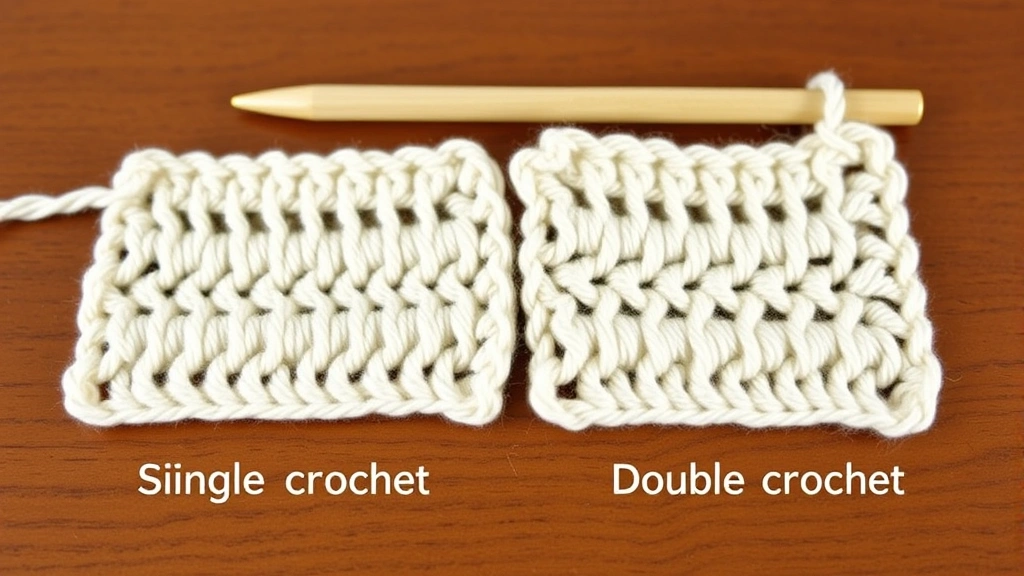
Last week, I was teaching my neighbor’s teenage daughter to crochet when she asked me something that stopped me in my tracks: “What’s the difference between single crochet and double crochet?” I realized I’d been crocheting for so long that these basic stitches felt like second nature, but for someone just starting out, the differences aren’t obvious at all.
Here’s the thing – single crochet and double crochet are the foundation of almost every crochet project you’ll ever make. Understanding when and why to use each one will completely change how you approach patterns and design your own projects. Single crochet creates a tight, sturdy fabric that’s perfect for structured items like bags and amigurumi, while double crochet works up faster and creates a more flexible, drapey fabric ideal for blankets and scarves.
The height difference between these stitches is what makes them so versatile. Single crochet is short and compact, while double crochet is about twice as tall. This isn’t just a technical detail – it affects everything from how much yarn you’ll use to how long your project takes to complete. I’ve seen beginners get frustrated because they didn’t understand these differences and chose the wrong stitch for their project.
Quick Answer
Single crochet creates short, tight stitches perfect for structured projects, while double crochet creates taller, more flexible stitches that work up faster. Single crochet uses less yarn but takes more time, while double crochet uses more yarn but creates projects quickly.
Height and Structure Differences
The most obvious difference between single crochet and double crochet is height. A single crochet stitch is typically about as tall as it is wide, creating almost square-shaped stitches. Double crochet stitches, on the other hand, are roughly twice as tall as they are wide, creating rectangular shapes that stack up quickly.
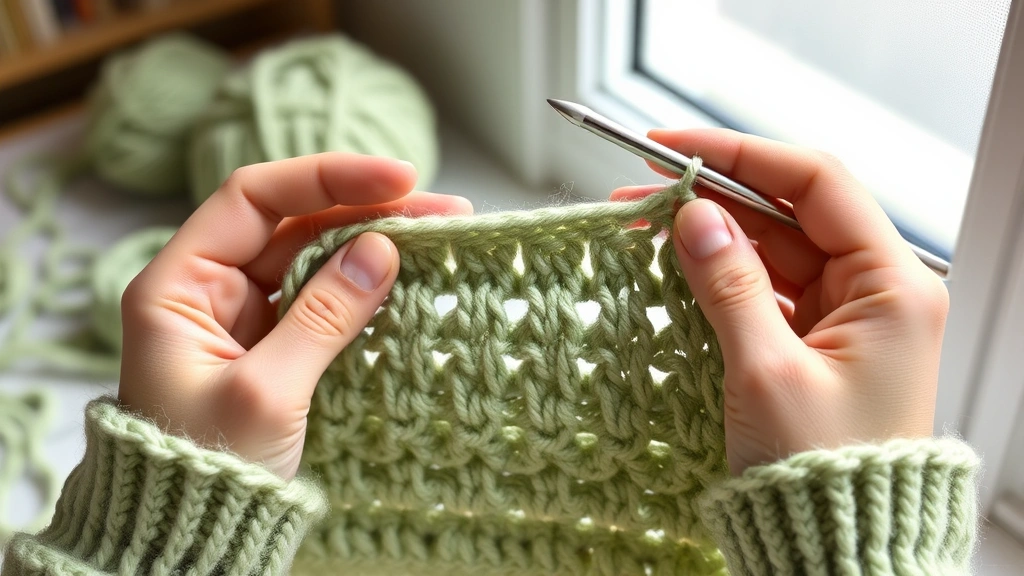
This height difference isn’t just aesthetic – it fundamentally changes how your fabric behaves. Single crochet creates a dense, sturdy fabric with minimal drape. When I make crochet tote bags, I always use single crochet because I need that structure to hold the bag’s shape and support weight without stretching out of shape.
Double crochet, with its taller stitches, creates natural spaces between the yarn overs that make the fabric more flexible and breathable. This is why most blanket patterns for beginners use double crochet – you get coverage quickly, and the fabric has a nice drape that feels cozy without being stiff.
Fabric Density and Drape
The structural differences create distinct fabric characteristics. Single crochet produces about 16-18 stitches per 4 inches with worsted weight yarn and a size H hook, while double crochet typically produces about 11-14 stitches in the same space. This means single crochet fabric is significantly denser.
Pro Tip: If you’re unsure which stitch to use, make a small swatch of each with your chosen yarn. Feel the difference in drape and structure – this hands-on comparison will tell you more than any description.
| Stitch Type | Height | Density | Best For |
|---|---|---|---|
| Single Crochet | Short | Very Dense | Structure, durability |
| Double Crochet | Tall | Medium | Drape, quick coverage |
How Each Stitch Works
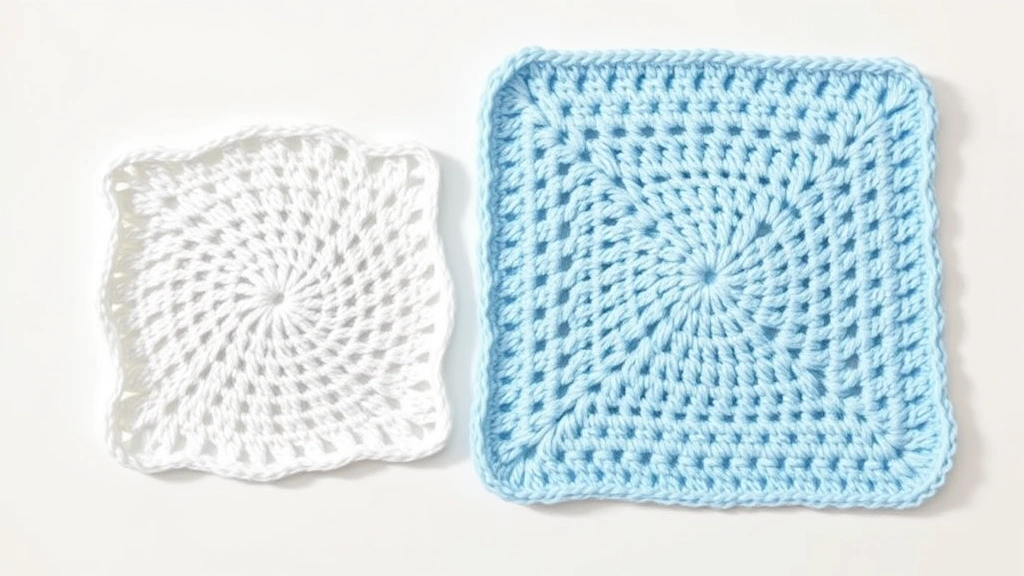
Understanding the mechanics of each stitch helps explain why they create such different fabrics. Single crochet is the most basic stitch – you insert your hook, yarn over, pull through (two loops on hook), yarn over again, and pull through both loops. That’s it. Simple, but it creates a very secure stitch because the yarn is only pulled through two loops at the end.
Double crochet involves an extra step that creates its height. You start with a yarn over before inserting your hook, then yarn over and pull through (three loops on hook), yarn over and pull through two loops (two loops remain), then yarn over and pull through the final two loops. This extra yarn over is what gives double crochet its height and creates those spaces that make the fabric more flexible.
Turning Chains and Height
The turning chain requirements reflect each stitch’s height. Single crochet needs just one turning chain, while double crochet needs three. This isn’t arbitrary – the turning chains literally provide the height needed to match the stitch you’re about to make. When I see beginners struggling with uneven edges, it’s often because they’re not making their turning chains the right height for their chosen stitch.
- Single Crochet Technique
Insert hook in stitch, yarn over, pull through (2 loops on hook), yarn over, pull through both loops. Chain 1 to turn.
- Double Crochet Technique
Yarn over, insert hook in stitch, yarn over, pull through (3 loops on hook), yarn over, pull through 2 loops (2 loops remain), yarn over, pull through final 2 loops. Chain 3 to turn.
The Craft Yarn Council has standardized these techniques, which is why patterns from different designers use consistent methods.
Best Projects for Each Stitch
Choosing the right stitch for your project can make or break the final result. I’ve learned this the hard way over the years. Single crochet excels in projects where you need structure, durability, and precise stitch definition. This makes it perfect for amigurumi projects where you need the fabric tight enough that stuffing won’t show through.
I also love single crochet for household items like dishcloths, pot holders, and storage baskets. The dense fabric holds up to heavy use and washing. When working on dishcloth patterns, single crochet creates the perfect texture for scrubbing while being gentle enough for delicate surfaces.
Single Crochet Project Ideas
- Amigurumi toys and figures
- Structured bags and purses
- Dishcloths and washcloths
- Coasters and trivets
- Storage baskets and containers
- Pot holders and oven mitts
Double crochet shines in projects where you want coverage, warmth, and drape. Most scarf patterns use double crochet because it creates a fabric that’s warm but not bulky, and it drapes beautifully around your neck. Blankets are another natural fit – double crochet lets you cover a lot of ground quickly while creating a cozy, flexible fabric.
Double Crochet Project Ideas
- Afghans and throw blankets
- Scarves and shawls
- Lightweight sweaters
- Baby blankets
- Market bags (where stretch is desired)
- Decorative throws
Consider Your Yarn: The same stitch can look completely different in various yarn weights. Single crochet in chunky yarn creates a thick, warm fabric perfect for winter accessories, while the same stitch in cotton thread makes delicate, precise fabric for detailed work.
Yarn Usage and Time Factors
Here’s something that surprised me when I first started tracking my projects: the yarn usage difference between single and double crochet is significant. For the same size project, single crochet typically uses about 25-30% less yarn than double crochet. This happens because single crochet stitches are more compact and don’t have the yarn overs that add extra yarn to each stitch.
However, single crochet takes considerably longer to complete. When I made two identical baby blankets – one in single crochet, one in double crochet – the single crochet version took almost twice as long to finish. The trade-off is real: save yarn but spend more time, or use more yarn to finish faster.
| Factor | Single Crochet | Double Crochet |
|---|---|---|
| Yarn Usage | Less (about 25% savings) | More |
| Time Required | Longer (almost 2x) | Faster |
| Skill Level | Beginner-friendly | Easy once you learn |
Cost Considerations
For budget-conscious crocheters, single crochet can be a money-saver, especially on large projects. When I made a king-size blanket in single crochet, I used about 2,200 yards of Lion Brand Pound of Love. The same blanket in double crochet would have needed closer to 2,800-3,000 yards.
But consider your time investment too. If you’re making something as a gift with a deadline, double crochet might be worth the extra yarn cost to ensure you finish on time.
Common Problems and Solutions
Over the years, I’ve helped countless crocheters troubleshoot issues with these basic stitches. The most common problem with single crochet is creating fabric that’s too tight. Because single crochet is naturally dense, it’s easy to make it so tight that your project curls or becomes difficult to work into on the next row.
With double crochet, the opposite problem is more common – loose, uneven stitches that create holes in your fabric. This usually happens because beginners don’t maintain consistent tension through all the yarn overs and pull-throughs.
Single Crochet Solutions
Tight Stitches: Try going up a hook size or consciously loosening your grip on the yarn. Your fabric should have some give to it.
Curling Edges: This often means your tension is too tight or you’re not making enough turning chains. Make sure you’re chaining 1 and turning consistently.
Double Crochet Solutions
Holes in Fabric: Check that you’re maintaining even tension through all parts of the stitch. The yarn overs should be snug but not tight.
Uneven Height: Make sure you’re completing all parts of each stitch before moving to the next. Don’t rush the yarn overs.
When working with cotton yarn projects, both stitches can feel stiffer than usual. Cotton has less give than acrylic, so your tension needs to be more relaxed to create comfortable fabric.
Reading Patterns and Abbreviations
Understanding pattern abbreviations is crucial for success with both stitches. Single crochet is abbreviated as “sc” in US patterns and “dc” in UK patterns (which can be confusing!). Double crochet is “dc” in US patterns and “tr” (treble) in UK patterns.
Most modern patterns specify whether they use US or UK terminology, but older patterns might not. When in doubt, look at the stitch count and project photos to figure out which system the designer used. I always keep a Ravelry terminology guide bookmarked for reference.
Reading Stitch Diagrams
Stitch diagrams use universal symbols that transcend language barriers. Single crochet appears as a small “x” or “+” symbol, while double crochet looks like a “T” with a line through it. These visual representations can be incredibly helpful, especially when working complex stitch patterns that combine both stitches.
Pattern Tip: When a pattern calls for alternating single and double crochet stitches, pay extra attention to your turning chains. You might need to adjust the height to keep your edges even.
Many free patterns online include both written instructions and stitch diagrams, which gives you two ways to understand the construction. I find this especially helpful when learning new stitch combinations.
Common Questions
Which stitch should beginners learn first?
I always recommend learning single crochet first. It’s simpler mechanically and more forgiving of tension issues. Once you’re comfortable with single crochet, double crochet becomes much easier to master because you already understand the basic hook movements.
How much yarn do I need for a baby blanket in each stitch?
For a standard 30×36 inch baby blanket in worsted weight yarn: single crochet needs about 1,200-1,400 yards, while double crochet requires 1,600-1,800 yards. These estimates assume consistent tension and a simple stitch pattern.
Can I substitute one stitch for the other in patterns?
You can, but you’ll need to adjust significantly. Double crochet works up about 1.5-2 times faster than single crochet, so you’d need fewer rows. The fabric characteristics will also change completely – structure versus drape, yarn usage, and overall appearance.
Why does my single crochet fabric curl?
Curling usually indicates tension that’s too tight or insufficient turning chains. Try relaxing your grip on the yarn and ensuring you’re making one chain before turning. Sometimes going up a hook size helps too.
How do I keep my double crochet stitches even?
Focus on maintaining consistent tension through all the yarn overs. Each yarn over should feel the same – not too loose, not too tight. Count your loops carefully at each stage to ensure you’re completing the stitch properly.
Which stitch uses less yarn for large projects?
Single crochet uses significantly less yarn – typically 25-30% less than double crochet for the same size project. However, it takes much longer to complete, so factor in your time investment when choosing.
Can I mix single and double crochet in the same project?
Absolutely! Many patterns combine both stitches for texture and visual interest. Just remember that double crochet is taller, so you might need to adjust your turning chains or add extra single crochet stitches to keep edges even.
What’s the best yarn weight for learning these stitches?
Worsted weight yarn (size 4) with a size H-8 (5mm) hook is ideal for beginners. The yarn is thick enough to see your stitches clearly but not so bulky that it’s hard to work with. Red Heart Super Saver or similar acrylic yarns are perfect for practice.
Understanding the differences between single crochet and double crochet opens up a world of project possibilities. These two fundamental stitches form the backbone of most crochet patterns, and knowing when to use each one will make you a more confident and successful crocheter. Start with simple projects in each stitch to get a feel for how they work, then experiment with combining them in more complex designs. Remember, every expert crocheter started exactly where you are now – with curiosity and a willingness to learn. Happy crocheting!