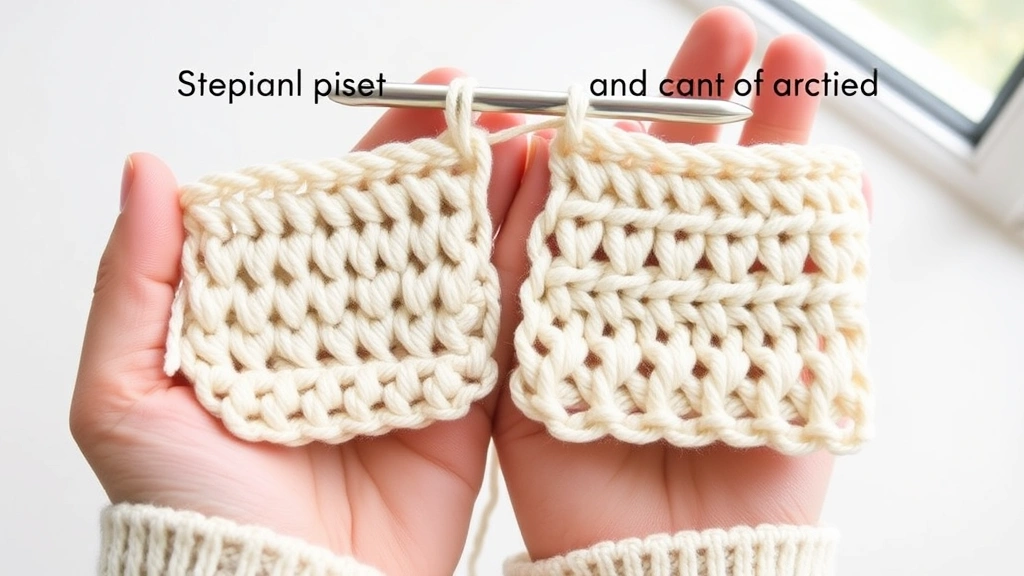
Last week, I was teaching my neighbor Sarah how to crochet, and she asked me something that stopped me in my tracks: “What’s the difference between single crochet and half double crochet?” I realized I’d been making these stitches for so long that I’d forgotten how confusing they can be when you’re starting out. The truth is, understanding these two fundamental stitches is like learning the difference between walking and jogging – they’re both forward movement, but the technique and results are completely different.
Here’s what I wish someone had told me when I was fumbling through my first project: single crochet creates a tight, dense fabric that’s perfect for structure, while half double crochet gives you a taller, more flexible stitch that works up faster. But there’s so much more to it than just height differences. The way you hold your yarn, where you insert your hook, and how many yarn overs you do – all of these little details completely change your finished project.
I’ve spent years making both stitches in countless projects, from baby blankets to market bags, and I’ve learned that choosing the wrong stitch can make or break your project. A single crochet baby blanket might be too stiff and heavy, while a half double crochet pot holder won’t have enough structure to protect your hands. Getting this right from the start saves you hours of frustration and frogging later.
Quick Answer
Single crochet (sc) is shorter and denser with one yarn over, while half double crochet (hdc) is taller and more flexible with two yarn overs. Single crochet creates sturdy, tight fabric perfect for structure, while half double crochet works up faster and creates a softer drape ideal for garments and blankets.
Height and Structure Differences
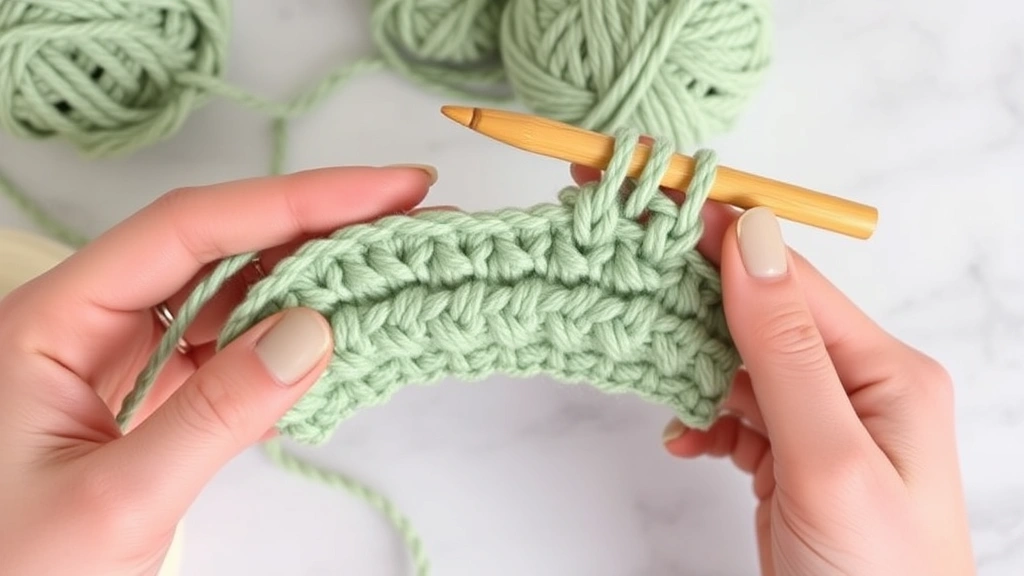
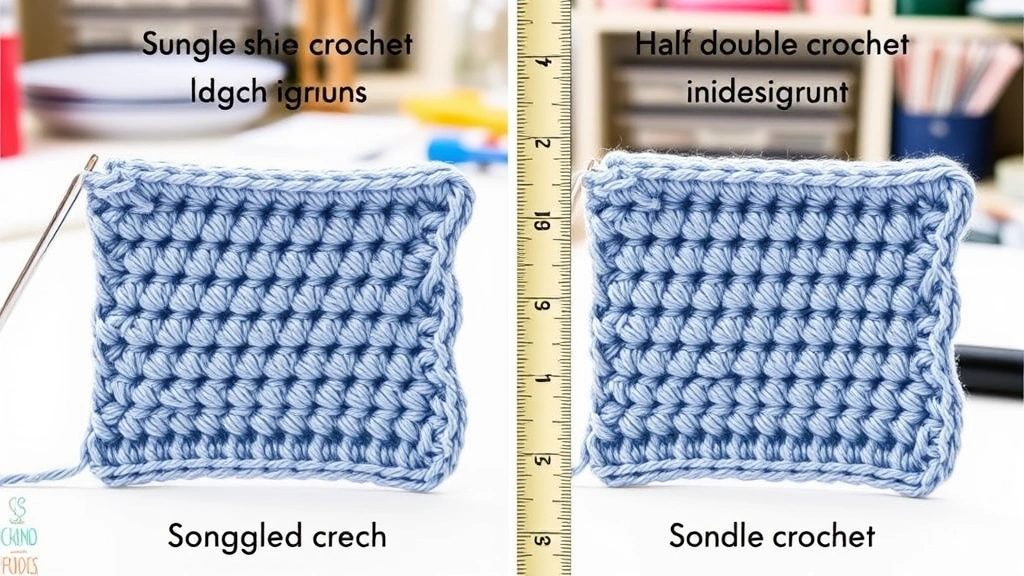
The most obvious difference between these stitches is their height, but that’s just the beginning. Single crochet measures about 1/2 inch tall when worked with worsted weight yarn and a size H/8 (5mm) hook. Half double crochet stands roughly 3/4 inch tall with the same materials. This might not sound like much, but it completely changes how your fabric behaves.
Single crochet creates what I call “bulletproof” fabric. Each stitch locks tightly with its neighbors, creating minimal stretch and maximum durability. When I make amigurumi projects, single crochet is my go-to because it prevents stuffing from showing through and maintains the shape beautifully.
Half double crochet, on the other hand, has more give and flexibility. The extra height creates natural spaces between rows that allow the fabric to drape and move. This makes it perfect for garments where you want comfort and flow rather than rigid structure.
The yarn over in half double crochet isn’t just about height – it creates a horizontal bar across the front of your work that adds visual texture and structural flexibility.
Here’s something most beginners don’t realize: the stitch count differs dramatically between these two stitches when working the same width. If you’re making a 10-inch wide panel, you’ll need about 40 single crochet stitches but only 25-30 half double crochet stitches, depending on your yarn weight.
Step-by-Step Techniques
Single Crochet Technique
- Insert and Grab
Insert your hook into the designated stitch, yarn over, and pull through. You should have two loops on your hook at this point.
- Complete the Stitch
Yarn over again and pull through both loops on your hook in one smooth motion. This creates the characteristic tight, compact structure of single crochet.
Half Double Crochet Technique
- Start with Yarn Over
Before inserting your hook anywhere, yarn over first. This is the key difference that creates the extra height.
- Insert and Pull Through
Insert your hook into the stitch, yarn over, and pull through. Now you have three loops on your hook.
- Finish in One Motion
Yarn over one final time and pull through all three loops at once. This creates the signature horizontal bar and taller stitch height.
The timing of that initial yarn over in half double crochet trips up so many people. I always tell my students to think “yarn over first, then everything else.” It becomes automatic with practice, but forgetting that first yarn over will give you single crochet instead.
Best Yarn and Hook Combinations
Not all yarn weights work equally well with both stitches, and this is where project planning gets interesting. I’ve learned through plenty of trial and error which combinations give you the best results.
| Yarn Weight | Hook Size | Single Crochet Best For | Half Double Crochet Best For |
|---|---|---|---|
| Sport (3) | 4-4.5mm | Baby items, detailed work | Light sweaters, shawls |
| DK (3) | 4.5-5mm | Dishcloths, bags | Cardigans, blankets |
| Worsted (4) | 5-5.5mm | Afghans, baskets | Scarves, hats |
| Chunky (5) | 6-6.5mm | Rugs, pot holders | Quick blankets, cowls |
When working with chunky weight yarn, I find that single crochet can become almost too dense and stiff for most projects. The fabric loses its drape entirely and becomes more like cardboard. Half double crochet with chunky yarn, however, creates beautifully textured fabric that’s still substantial but maintains flexibility.
For cotton yarn projects like dishcloths and kitchen accessories, single crochet is usually the winner. Cotton doesn’t have much natural stretch, so the tight structure of single crochet complements the fiber perfectly. Half double crochet in cotton can sometimes feel too loose and floppy for functional items.
Always make a gauge swatch with both stitches when starting a new project. The difference in fabric hand and drape might surprise you and change your mind about which stitch to use.
When to Use Each Stitch
Choosing between these stitches can make or break your project, and I’ve learned this the hard way more times than I care to admit. Let me save you some frogging by sharing when each stitch really shines.
Single Crochet Superstars
Single crochet is your best friend for projects that need structure and durability. I use it for all my amigurumi work because it creates that tight, even fabric that holds stuffing beautifully and maintains shape over time. Market bags, baskets, and pot holders all benefit from single crochet’s strength.
For baby items, single crochet works wonderfully for structured pieces like booties or hats where you want the item to hold its shape. However, I avoid it for large baby blankets because the fabric becomes quite heavy and stiff – not ideal for snuggling.
Home decor items like coasters, placemats, and storage baskets are perfect single crochet applications. The dense fabric provides the functionality these items need, and the tight stitch definition shows off stitch patterns beautifully.
Half Double Crochet Champions
Half double crochet is my go-to for anything that needs to drape, flow, or feel soft against the skin. Scarves, shawls, and blankets all benefit from the natural flexibility and faster work-up time of half double crochet.
When I’m making beginner-friendly blankets, half double crochet is often the perfect choice. It’s more forgiving than single crochet if your tension varies slightly, and the taller stitches mean your project grows faster – crucial for maintaining motivation on large projects.
Garments like cardigans, pullovers, and even simple tops work beautifully in half double crochet. The fabric has enough structure to hold its shape but enough give to be comfortable to wear.
Common Mistakes and Solutions
After teaching dozens of people these stitches, I’ve seen the same mistakes over and over. Here are the big ones and how to fix them before they become habits.
The Forgotten Yarn Over
This is the number one mistake I see with half double crochet. Students get into single crochet rhythm and forget that crucial first yarn over. The result? Rows that are shorter than they should be and a confused crocheter wondering why their work isn’t matching the pattern.
Solution: Say “yarn over” out loud every time you start a half double crochet until it becomes automatic. I’m serious – talking through your stitches helps build the right muscle memory.
Inconsistent Tension
Single crochet is less forgiving of tension issues than you might think. Too tight, and your fabric becomes rigid and difficult to work into. Too loose, and you lose the structural benefits that make single crochet special.
Solution: Practice maintaining consistent yarn tension by checking your gauge every few rows. Your stitches should be snug but not tight, with enough give that you can easily insert your hook for the next row.
Working Into the Wrong Loops
Both stitches have specific loop placement that affects the fabric’s appearance and structure. Working under only one loop creates a ridge effect that might not be what you want.
Solution: Unless your pattern specifically says otherwise, always work under both loops of the stitch from the previous row. This creates the smooth, even fabric that makes these stitches so versatile.
Keep a stitch counter or row counter handy when learning. It’s easy to lose track when you’re concentrating on technique, and knowing exactly where you are helps you spot mistakes quickly.
Gauge and Tension Tips
Gauge matters more than most beginners realize, especially when switching between single crochet and half double crochet in the same project or when substituting one for the other in a pattern.
Single crochet typically produces about 16-18 stitches per 4 inches with worsted weight yarn and an H/8 hook. Half double crochet gives you roughly 13-15 stitches in the same space. This difference means you can’t simply substitute one for the other without adjusting your stitch count.
Row gauge differs even more dramatically. Single crochet produces about 20-22 rows per 4 inches, while half double crochet gives you only 12-14 rows in the same space. This is why making gauge swatches is so important when planning projects.
Adjusting Your Technique
Your natural tension might work perfectly for one stitch but not the other. I find that many crocheters need to relax their tension slightly when working half double crochet to prevent the fabric from cupping or puckering.
For single crochet, consistent tension is crucial because every slight variation shows up in the finished fabric. The tight structure means there’s less room for error, but it also means your improvements in technique show up quickly.
Troubleshooting Your Stitches
Even experienced crocheters run into issues with these fundamental stitches. Here’s how to diagnose and fix the most common problems I encounter.
Curling Edges
If your single crochet work is curling at the edges, you’re likely working too tightly. Single crochet has a natural tendency to curl slightly, but excessive curling usually indicates tension issues.
Fix: Try going up a hook size and consciously relaxing your grip on the yarn. The fabric should feel firm but not rigid.
Uneven Stitch Height
With half double crochet, inconsistent stitch height usually comes from varying how many loops you pull through at once or inconsistent yarn over tension.
Fix: Focus on pulling through all three loops in one smooth, confident motion. Hesitating or pulling through loops separately creates uneven tension.
Gaps in Your Fabric
Unexpected holes or gaps in single crochet often mean you’re accidentally skipping stitches or working into the wrong place. With half double crochet, gaps can indicate loose tension or incorrect hook placement.
Fix: Count your stitches at the end of every row until this becomes automatic. Use stitch markers to mark the beginning and end of rows if needed.
When working with variegated or self-striping yarn, both stitches can look dramatically different. Single crochet tends to pool colors more noticeably, while half double crochet often blends color changes more smoothly.
Don’t be afraid to rip out and restart if something doesn’t look right. It’s better to catch problems early than to finish a project you’re not happy with.
Common Questions
Which stitch uses more yarn?
Single crochet uses more yarn per square inch because of its dense structure and shorter stitch height. You’ll typically use about 20-25% more yarn for a single crochet project compared to the same size project in half double crochet. This is important to consider when calculating yarn requirements for large projects like afghans.
Can I substitute one stitch for the other in patterns?
Not directly. The gauge differences are too significant for a straight substitution. If you want to change stitches, you’ll need to recalculate stitch counts and possibly adjust hook size. Single crochet will need more stitches per row but fewer rows, while half double crochet needs fewer stitches but more rows to achieve the same dimensions.
Which stitch is better for beginners?
Single crochet is generally easier for absolute beginners because it has fewer steps and the mistakes are more obvious. However, half double crochet works up faster, which can be more encouraging for large projects. I usually teach single crochet first, then introduce half double crochet once students are comfortable with basic technique.
How do I fix a row where I mixed up the stitches?
If you accidentally worked single crochet instead of half double crochet (or vice versa) in just a few stitches, you can often leave it as a design element. For an entire row, it’s usually best to rip back and redo it, as the height difference will be noticeable and may affect the fit or drape of your finished project.
Which stitch is warmer for blankets?
Single crochet creates warmer blankets because of its dense structure and minimal air gaps. However, half double crochet blankets are lighter weight and more breathable, making them better for year-round use. Consider your climate and intended use when choosing.
Do these stitches look different with different yarn fibers?
Absolutely. Cotton shows stitch definition beautifully in both stitches, making them ideal for textured patterns. Wool has natural give that can make single crochet feel less rigid, while acrylic maintains consistent stitch appearance across both techniques. Silk and bamboo drape beautifully with half double crochet but can make single crochet feel stiff.
How long does it take to master these stitches?
Most people can work recognizable single crochet stitches within their first hour of practice. Half double crochet usually takes 2-3 practice sessions to feel comfortable. True mastery – maintaining consistent tension and gauge – typically develops over several projects spanning a few months of regular practice.
Should I learn both stitches at the same time?
I recommend learning single crochet first and practicing until it feels automatic, then adding half double crochet. Learning both simultaneously can lead to confusion and mixing up the techniques. Once you’re comfortable with single crochet, half double crochet builds naturally on those skills.
Understanding the differences between single crochet and half double crochet opens up a world of project possibilities. These aren’t just basic stitches – they’re the foundation of countless beautiful projects, each with its own personality and purpose. Single crochet gives you strength and structure when you need it, while half double crochet offers speed and flexibility for comfortable, flowing fabric.
The key is practice and patience with yourself. I still remember the frustration of my early projects when I didn’t understand why my fabric wasn’t behaving the way I expected. Now I know it often came down to choosing the wrong stitch for the job. Take time to experiment with both stitches in different yarns and weights. Make swatches, try small projects, and pay attention to how the fabric feels and behaves.
Most importantly, don’t get so caught up in perfection that you forget to enjoy the process. Every crocheter has made countless mistakes with these fundamental stitches – it’s part of learning. Your hands will develop the muscle memory, your eye will learn to spot problems early, and before you know it, you’ll be helping someone else understand the difference between these two wonderful stitches. Happy crocheting!