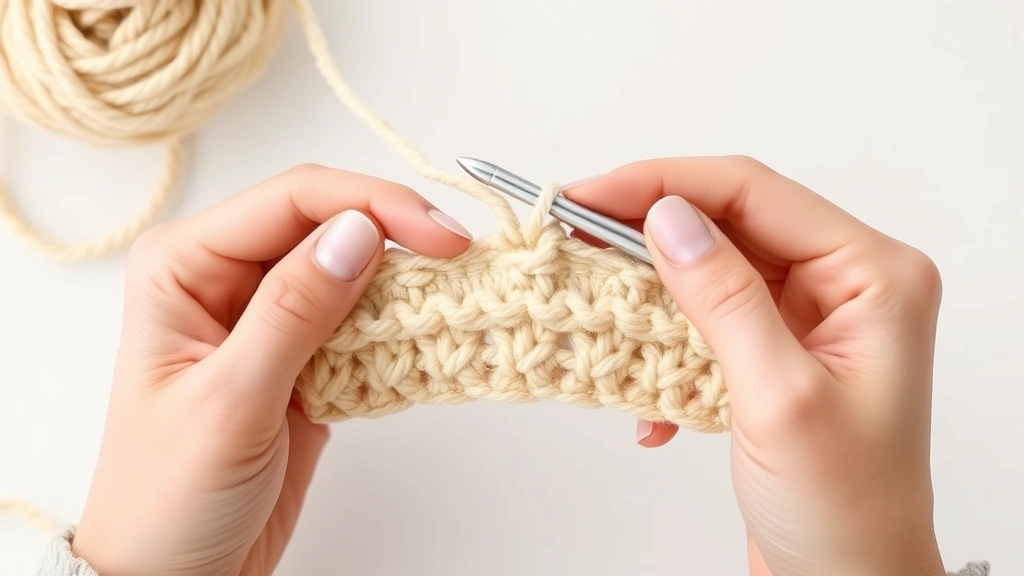
Last week, I was teaching my neighbor how to crochet, and she kept asking about different stitches she’d seen in patterns. “What’s the difference between a single crochet and half double crochet?” she wondered aloud while struggling with her first project. It got me thinking about how many crocheters start their journey without really understanding the building blocks that make up every beautiful blanket, scarf, and amigurumi they admire.
Here’s the thing – mastering basic crochet stitches isn’t just about memorizing movements. It’s about understanding how each stitch behaves, when to use it, and how it affects your finished project. Some stitches create tight, sturdy fabric perfect for bags and pot holders. Others produce loose, drapey textures ideal for shawls and summer tops. Getting comfortable with these fundamentals will transform you from someone who follows patterns blindly to a crocheter who can modify, design, and troubleshoot with confidence.
Whether you’re picking up a hook for the first time or you’ve been crocheting for years but want to refine your technique, understanding these essential stitches will open up a world of creative possibilities. I’ve seen too many crocheters get frustrated and give up because they rushed through the basics, only to struggle with more complex patterns later.
Quick Answer
The five essential crochet stitches every crocheter should master are chain, slip stitch, single crochet, half double crochet, and double crochet. These form the foundation for virtually every crochet pattern and technique you’ll encounter.
Chain Stitch: Your Foundation
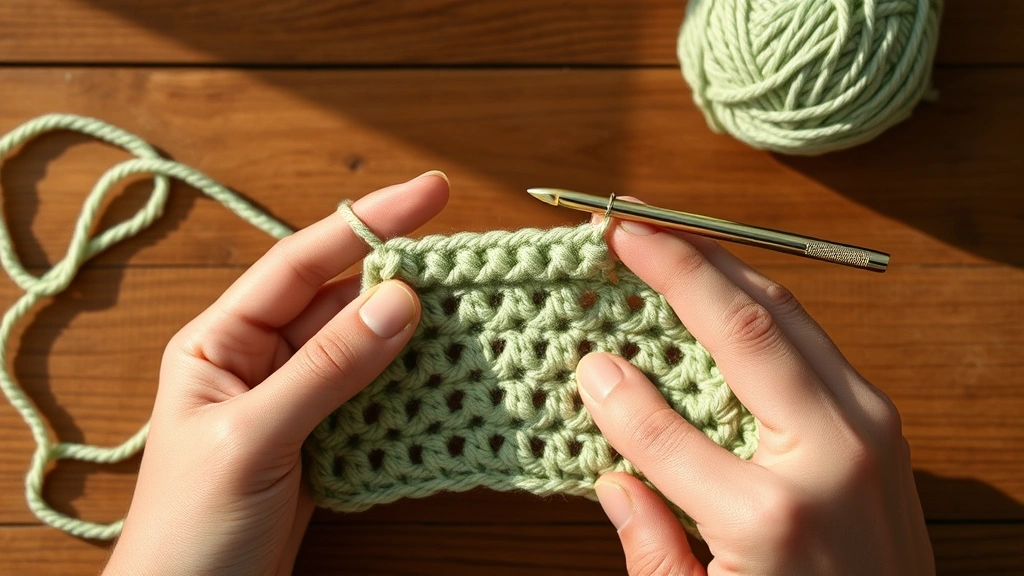
Every crochet project starts with a chain, making this the most fundamental stitch you’ll ever learn. Think of chains as the skeleton of your work – they create the foundation row that everything else builds upon. But chains aren’t just for starting; they’re also used for turning, creating spaces in lace patterns, and forming the base of many decorative elements.
To make a chain stitch, start with a slip knot on your hook. Yarn over (wrap the yarn around your hook from back to front) and pull through the loop on your hook. That’s one chain. The key is maintaining consistent tension – not too tight that you can’t work into the chains later, not so loose that your foundation looks sloppy.
Here’s what I wish someone had told me when I started: count your chains carefully, and don’t count the loop on your hook or the initial slip knot. When a pattern says “chain 20,” you should have 20 distinct V-shaped links plus the working loop. I spent years wondering why my foundation chains never seemed to match pattern requirements until I figured this out.
Pro tip: Make your foundation chain slightly looser than your regular stitches. Use a hook one size larger for the foundation chain if you tend to crochet tightly.
Chains also serve as turning chains at the beginning of rows. Different stitch heights require different turning chain counts – typically 1 for single crochet, 2 for half double crochet, and 3 for double crochet. Getting into the habit of proper turning chains early will save you from wonky edges later.
Slip Stitch: The Invisible Helper
Slip stitches might seem insignificant, but they’re the unsung heroes of crochet. They’re the shortest of all stitches – barely adding any height to your work – which makes them perfect for joining, edging, and moving your yarn to different positions without adding bulk.
To work a slip stitch, insert your hook into the designated stitch, yarn over, and pull through both the stitch and the loop on your hook in one motion. That’s it – no intermediate steps like other stitches have. The result is a tight, flat connection that’s barely visible from the right side of your work.
I use slip stitches constantly for joining rounds in amigurumi projects, where you need seamless circles without obvious seams. They’re also perfect for creating invisible seams when sewing pieces together, and for adding subtle texture in surface crochet techniques.
One thing that confused me for years was when patterns said “slip stitch to join.” This typically means you’re working in the round and need to connect the last stitch of your round to the first stitch. Insert your hook into the first stitch of the round, yarn over, and pull through both loops. This closes the circle without adding height.
Single Crochet: The Workhorse
Single crochet is probably the stitch you’ll use most often, especially when you’re starting out. It creates a dense, sturdy fabric that’s perfect for dishcloths, bags, amigurumi, and any project where you want structure and durability. The fabric has minimal stretch and holds its shape well, making it ideal for items that need to maintain their form.
To work single crochet: insert your hook into the designated stitch, yarn over and pull through (you’ll have two loops on your hook), yarn over again and pull through both loops. That completes one single crochet. The rhythm becomes second nature with practice – insert, yarn over, pull through, yarn over, pull through both.
Single crochet stitches are short, so they work up relatively slowly compared to taller stitches. But what they lack in speed, they make up for in versatility. I’ve used single crochet for everything from baby blankets to market bags to stuffed animals. The tight stitch structure makes it perfect for projects where you don’t want gaps or holes.
When working in rows, you’ll typically chain 1 and turn at the end of each row. This turning chain usually doesn’t count as a stitch, so you’ll work your first single crochet into the first actual stitch of the previous row. Always check your pattern to be sure, though – some designers have different preferences.
Single Crochet Variations
Once you’re comfortable with basic single crochet, you can explore variations like working in the front loop only, back loop only, or through the back loop for different textures. These small changes can dramatically alter the look and feel of your finished project.
Half Double Crochet: The Perfect Middle Ground
Half double crochet sits right between single crochet and double crochet in terms of height and speed. It creates a fabric that’s less dense than single crochet but more structured than double crochet, making it perfect for projects where you want some drape without too much stretch.
The technique: yarn over first, then insert your hook into the designated stitch. Yarn over and pull through (you’ll have three loops on your hook), then yarn over once more and pull through all three loops at once. That initial yarn over before inserting your hook is what gives half double crochet its extra height compared to single crochet.
I love half double crochet for scarves and cowls because it works up faster than single crochet but still provides good coverage and warmth. The fabric has a lovely texture – not as tight as single crochet, not as open as double crochet. It’s particularly beautiful in variegated yarns where you want to show off color changes without too much stitch definition competing with the colors.
Half double crochet typically uses a turning chain of 2, and whether this chain counts as a stitch varies by pattern. When it does count as a stitch, you’ll skip the first actual stitch and work into the second stitch of the previous row. When it doesn’t count, you work into the first stitch. This is why reading your pattern carefully is so important.
Personal observation: Half double crochet tends to lean slightly, creating a subtle diagonal texture that some people love and others find distracting. This lean is normal and becomes part of the fabric’s character.
Double Crochet: Speed and Height
Double crochet is where crochet really starts to shine in terms of speed and versatility. These tall stitches work up quickly and create an open, flexible fabric with beautiful drape. It’s the stitch of choice for afghans, shawls, and any project where you want coverage without excessive weight.
The process: yarn over, insert hook into designated stitch, yarn over and pull through (three loops on hook), yarn over and pull through two loops (two loops remain), yarn over and pull through the final two loops. It sounds complicated written out, but the rhythm is actually quite natural once you get it.
Double crochet fabric has a lovely, slightly open structure that shows off stitch definition beautifully. This makes it perfect for textured stitches and stitch patterns – those gorgeous shells, fans, and clusters you see in advanced patterns are usually based on double crochet variations.
Because double crochet stitches are tall, they typically require a turning chain of 3. In most patterns, this turning chain counts as the first double crochet of the row, so you’ll skip the first actual stitch and work into the second stitch. At the end of the row, you’ll work into the top of the turning chain from the previous row.
Working with Different Yarn Weights
Double crochet behaves differently with various yarn weights. With fingering or sport weight yarn, you get a delicate, lacy fabric perfect for summer tops. With worsted weight, you get good coverage for blankets and sweaters. With chunky yarn, double crochet works up incredibly fast and creates cozy, warm fabric perfect for winter accessories.
I’ve found that double crochet is particularly forgiving for beginners because the tall stitches make it easy to see where to insert your hook for the next row. The openness of the fabric also means small tension variations are less noticeable than they would be in single crochet.
Comparing Stitch Heights and Uses
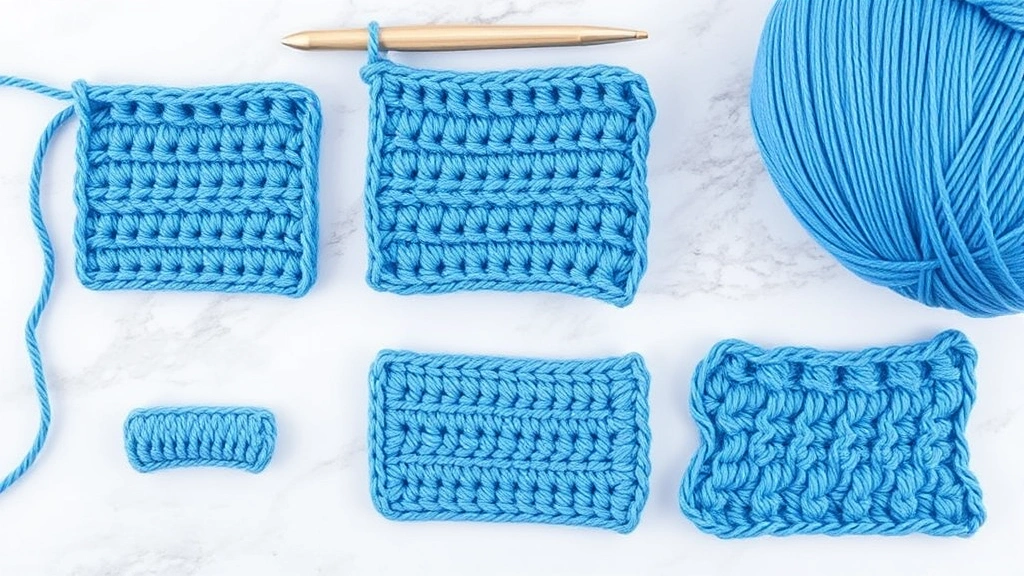
Understanding when to use each stitch comes down to knowing their characteristics and how they affect your finished project. Here’s a practical comparison based on years of experience with each stitch type:
| Stitch Type | Height | Fabric Density | Best Uses | Yarn Consumption |
|---|---|---|---|---|
| Single Crochet | Shortest | Very dense | Amigurumi, dishcloths, structured items | Highest |
| Half Double Crochet | Medium-short | Medium dense | Scarves, hats, blankets | Medium-high |
| Double Crochet | Tall | Open, drapey | Afghans, shawls, garments | Lower |
| Slip Stitch | Minimal | Very tight | Joining, edging, surface details | Minimal |
The yarn consumption differences are significant. A single crochet blanket might use 30% more yarn than the same size blanket in double crochet. This is something to consider when planning projects, especially if you’re working with expensive yarn or have a limited amount.
Stitch height also affects how your projects grow. Single crochet projects take longer because each row adds less height. Double crochet projects seem to fly off your hook because each row covers more ground. When I’m making gifts with deadlines, I often choose patterns using taller stitches for faster completion.
Common Problems and Solutions
Even experienced crocheters run into issues with basic stitches. Here are the problems I see most often and how to fix them:
Uneven Tension
Your stitches look different sizes, or your fabric is wavy or puckered. This usually comes from inconsistent yarn tension. Practice maintaining steady pressure on your yarn – not death-grip tight, but not so loose that stitches are sloppy. Using the same finger position for controlling yarn helps maintain consistency.
Edges That Increase or Decrease
Your work gets wider or narrower as you go. You’re either adding stitches accidentally or missing stitches at the ends of rows. Count your stitches frequently, especially when learning. Use stitch markers to mark the first and last stitches of each row until counting becomes automatic.
Difficulty Finding Where to Insert Hook
This is especially common with single crochet, where stitches can be tight and hard to distinguish. Make sure you’re working under both loops of the V at the top of each stitch unless the pattern specifies otherwise. Better lighting and a comfortable seating position help immensely.
Turning Chain Issues
Your edges look messy or uneven. This often comes from inconsistent turning chain handling. Some patterns count the turning chain as a stitch, others don’t. Mark your pattern to remind yourself which rule applies, and be consistent throughout your project.
Best Practice Projects for Each Stitch
The best way to master these stitches is through purposeful practice projects that let you focus on technique without worrying about complex shaping or stitch patterns.
For Chain and Slip Stitch Practice
Start with simple granny squares. They use chains for corners and slip stitches for joining rounds. You’ll get comfortable with both stitches while creating useful building blocks for future projects.
For Single Crochet Mastery
Dishcloths are perfect – they’re small, forgiving, and useful. Try a simple square pattern in cotton yarn. The natural fiber shows stitch definition well, and you’ll end up with something practical for your kitchen. Aim for consistent edges and even tension throughout.
For Half Double Crochet Practice
A simple rectangular scarf lets you practice the stitch rhythm without worrying about shaping. Choose a worsted weight yarn in a solid color so you can easily see your stitches. Work until you achieve consistent stitch height and comfortable rhythm.
For Double Crochet Confidence
Baby blankets using basic stitch patterns are ideal. The repetitive nature builds muscle memory, and the larger size gives you plenty of practice. Plus, baby blankets are always appreciated gifts, so your practice serves a purpose.
I recommend mastering each stitch individually before attempting patterns that combine multiple stitch types. It’s tempting to jump into complex patterns right away, but building solid fundamentals will serve you better in the long run.
Common Questions
How long does it take to learn basic crochet stitches?
Most people can learn the mechanics of basic stitches in a few hours of focused practice. However, developing consistent tension and rhythm takes longer – typically 2-4 weeks of regular practice. Don’t rush this phase; good fundamentals are worth the investment.
Which stitch should I learn first?
Start with chain stitch, then slip stitch, followed by single crochet. These three stitches will let you complete simple projects and build confidence. Half double and double crochet can come once you’re comfortable with single crochet mechanics.
Why do my stitches look different from pattern photos?
Tension differences, yarn choice, and hook size all affect stitch appearance. Don’t worry if your stitches don’t look identical to photos – focus on consistency within your own work. As long as your stitches are even and your gauge matches (when specified), you’re doing fine.
What’s the best yarn for practicing basic stitches?
Medium-weight cotton yarn in a light color works best for learning. Cotton has minimal stretch, so it won’t distort your stitches, and light colors make it easy to see stitch definition. Lion Brand 24/7 Cotton or Bernat Handicrafter Cotton are excellent choices.
Should I count stitches as I work?
Yes, especially when learning. Count your stitches at the end of each row until it becomes automatic to maintain the correct stitch count. This prevents the frustration of discovering errors several rows later when they’re harder to fix.
How do I know if my tension is correct?
Your stitches should be even in size and your fabric should lay flat without puckering or excessive stretch. If you can barely insert your hook into previous stitches, you’re too tight. If stitches look loose and gappy, you’re too loose. Aim for stitches that are snug but not tight.
What size hook should I use for learning?
A size H/8 (5mm) hook with worsted weight yarn is ideal for learning. This combination is large enough to see clearly but not so large that stitches become unwieldy. The Craft Yarn Council provides excellent guidance on yarn weight and hook size pairings.
Can I learn crochet stitches from videos alone?
Videos are helpful for seeing the motions, but combining video instruction with written patterns helps you understand the language of crochet. Many crocheters find that Ravelry forums and local crochet groups provide valuable support and troubleshooting help that videos can’t offer.
Moving Forward with Confidence
Mastering these five basic stitches – chain, slip stitch, single crochet, half double crochet, and double crochet – gives you the foundation for virtually any crochet project you can imagine. Yes, there are dozens of other stitches and techniques to explore, but these basics will carry you far.
Remember that everyone’s crochet journey looks different. Some people pick up tension control quickly but struggle with stitch identification. Others master the mechanics but need time to develop speed and rhythm. Be patient with yourself and celebrate small improvements. The crocheter who can work even, consistent basic stitches is already equipped for success with more complex patterns.
Don’t feel pressured to rush through learning these fundamentals. I’ve seen too many crocheters get frustrated with advanced patterns because they never fully mastered the basics. Take time to practice, experiment with different yarns and hook sizes, and most importantly, enjoy the process. These simple stitches are the building blocks of countless beautiful projects waiting in your future.