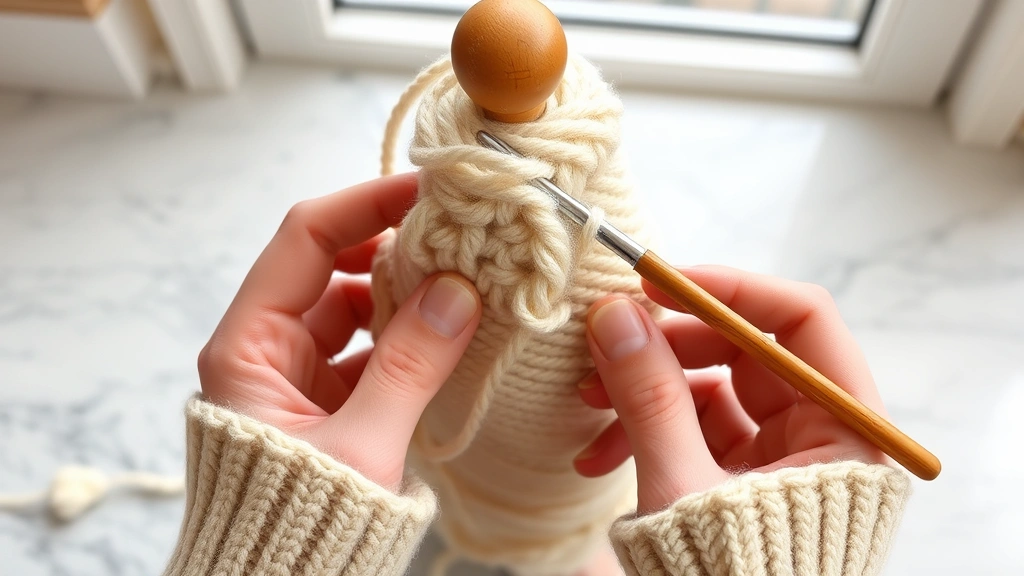
I’ll never forget the first time I tried to crochet a cable pattern. I stared at those crossed stitches in the pattern photo, completely baffled by how anyone could make yarn do that. The instructions might as well have been written in ancient Greek. But here’s the thing about cable crochet – once you understand the basic principle, it’s actually much simpler than it looks.
Cable crochet creates those beautiful twisted, rope-like textures that make your projects look incredibly sophisticated. Unlike knitted cables that require cable needles and complex maneuvers, crochet cables are achieved through strategic stitch placement and working around previous rows. The raised effect comes from post stitches – front post and back post double crochets that literally wrap around the vertical posts of stitches below.
What makes cable crochet so appealing is its versatility. You can add subtle texture to a simple scarf or create dramatic focal points on sweaters and blankets. The technique works beautifully with any yarn weight, though different weights create distinctly different effects. I’ve used everything from delicate fingering weight for baby blankets to chunky yarn for cozy winter cowls.
Quick Answer
Cable crochet uses front post and back post double crochets to create raised, twisted patterns that mimic knitted cables. The key is working around the vertical posts of stitches from previous rows rather than into the top loops, creating dimensional texture without special tools.
Understanding Cable Crochet Basics
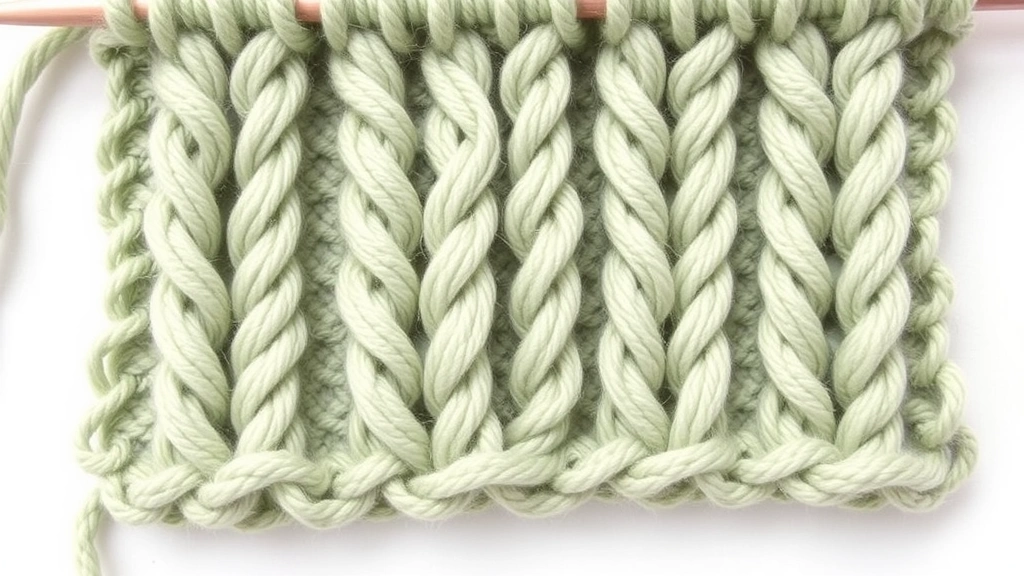
The magic of cable crochet lies in manipulating where your stitches sit. Instead of working into the top loops of stitches like regular crochet, you’re working around the vertical posts. This creates raised stitches that stand out from the fabric surface, forming the cable effect.
Think of it this way: regular double crochets create a flat fabric, but post stitches create ridges. When you strategically cross these ridges over each other, you get cables. The crossing happens by skipping stitches and working them out of order, then coming back to fill in the gaps.
Front post double crochets (fpdc) create ridges that pop toward you, while back post double crochets (bpdc) create ridges that recede away from you. This push-and-pull effect is what gives cables their dimensional quality. When learning double crochet techniques, mastering these post stitches becomes crucial for cable work.
The beauty of crochet cables versus knitted ones is the speed. You can create a cable pattern in about half the time it takes to knit one. Plus, there’s no risk of dropped stitches or complex cable needle choreography. Your hook does all the work.
Pro Tip: Practice post stitches on a simple swatch before attempting cable patterns. Work several rows of alternating fpdc and bpdc to get comfortable with the motion and tension.
Cable Construction Principles
Every cable starts with a foundation of post stitches arranged in specific patterns. The most basic cable might be four stitches wide – two stitches cross over the other two. More complex cables can involve six, eight, or even twelve stitches crossing in intricate patterns.
The crossing itself happens over two rows typically. On the first row, you establish your cable group by working the stitches in their normal order. On the second row, you skip the first half of your cable group, work the second half, then come back to work the skipped stitches. This creates the twisted effect.
Essential Cable Stitches and Techniques
Before diving into cable patterns, you need to master the fundamental stitches. The Craft Yarn Council provides excellent stitch definitions, but here’s what you need for cables specifically.
Front Post Double Crochet (FPDC)
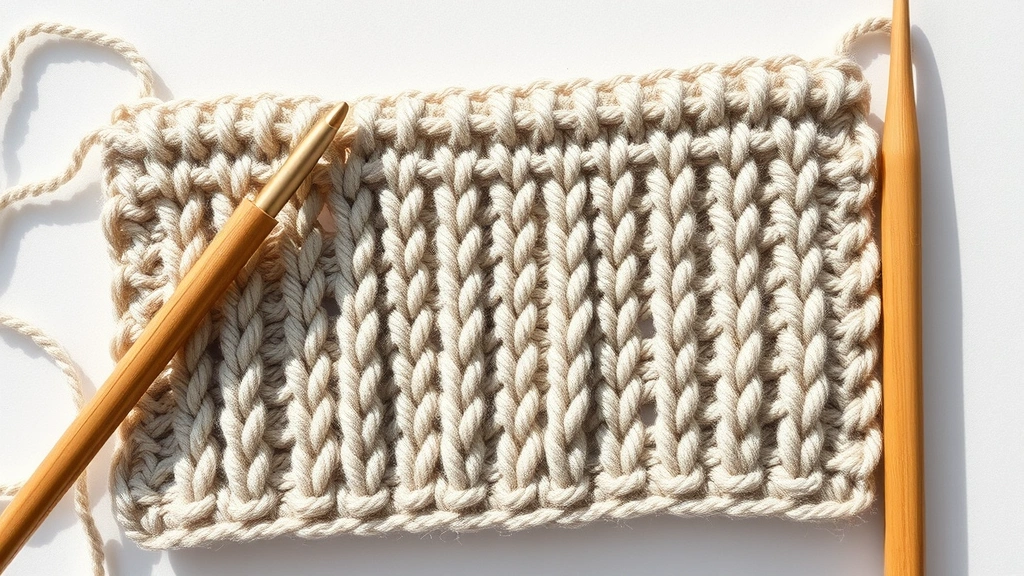
This stitch creates the raised ridges that form the front of your cables. Instead of inserting your hook into the top of a stitch, you insert it from right to left around the vertical post of the stitch, keeping your working yarn in front of your work.
- Position Your Hook
Yarn over, insert hook from right to left around the post of the designated stitch, keeping the hook in front of your work.
- Complete the Stitch
Yarn over and pull through (3 loops on hook), yarn over and pull through 2 loops (2 loops remain), yarn over and pull through the last 2 loops.
Back Post Double Crochet (BPDC)
This creates recessed areas that make the front post stitches pop even more. The technique is identical to fpdc, except you insert your hook from right to left around the post from the back of your work.
The key to even tension in post stitches is consistency. Your yarn should wrap around the post snugly but not so tight that it distorts the fabric. I usually work post stitches with slightly looser tension than regular double crochets.
Cable Crossing Techniques
The actual crossing is where the magic happens. For a basic 4-stitch cable crossing right over left, you’d skip the first 2 stitches of your cable group, work fpdc in the next 2 stitches, then come back and work fpdc in the 2 skipped stitches. This creates the twisted rope effect.
| Cable Width | Crossing Pattern | Best For |
|---|---|---|
| 4 stitches | 2 over 2 | Beginner projects, delicate textures |
| 6 stitches | 3 over 3 | Medium-weight yarns, scarves |
| 8 stitches | 4 over 4 | Bold statements, chunky yarns |
Tension Tip: Cable rows tend to pull in slightly due to the crossing action. Work these rows with a hook one size larger than your base rows, or maintain slightly looser tension to prevent puckering.
Reading Cable Crochet Patterns
Cable patterns can look intimidating with their charts and abbreviations, but they follow logical systems. Most patterns provide both written instructions and charts – use whichever format clicks better for your learning style.
Pattern abbreviations specific to cables include variations like “C4F” (cable 4 front) or “C6B” (cable 6 back). The number indicates how many stitches are involved in the crossing, and the letter indicates the direction. Front means the cable twists toward you, back means it twists away.
When working with crochet patterns for beginners, start with simple 4-stitch cables before progressing to more complex designs. The principles remain the same regardless of complexity.
Chart Reading for Cables
Cable charts show each row from the right side of your work. Empty squares typically represent regular stitches, while symbols show where post stitches and crossings occur. The crossing lines on charts correspond directly to the physical crossing of stitches in your work.
One thing that confused me initially was understanding that chart symbols show the appearance of the finished stitch, not necessarily how you work it. A front post stitch symbol shows a raised line because that’s how it looks in the finished fabric.
Choosing Yarn and Hook Combinations
Yarn choice dramatically affects how your cables look and behave. Smooth, plied yarns like wool or cotton show cable definition beautifully, while fuzzy yarns like mohair can obscure the texture. For your first cable project, stick with smooth, light-colored yarn so you can clearly see your stitch definition.
Worsted weight yarn with a 5mm (H-8) hook creates classic cable proportions that work well for most projects. This combination gives you clear stitch definition without being too bulky or too delicate. When exploring different yarn weights, remember that heavier yarns create more dramatic cables, while lighter weights produce subtle texture.
| Yarn Weight | Hook Size | Cable Appearance | Best Projects |
|---|---|---|---|
| DK (3) | 4.5mm (G-6) | Refined, detailed | Baby items, lightweight scarves |
| Worsted (4) | 5mm (H-8) | Classic, clear definition | Sweaters, blankets, cowls |
| Chunky (5) | 6.5mm (K-10.5) | Bold, dramatic | Quick scarves, winter accessories |
Fiber Considerations
Natural fibers like wool and cotton hold cable shapes well and improve with blocking. Wool has natural elasticity that helps cables maintain their structure, while cotton provides crisp stitch definition. Acrylic yarns work fine for practice and everyday items, though they may not hold their shape as dramatically as natural fibers.
Avoid highly textured or variegated yarns for your first cable projects. The texture can compete with the cable pattern, making it harder to see your work clearly. Save those specialty yarns for when you’re more confident with the technique.
I learned this the hard way when I tried to make a cable scarf with a beautiful variegated yarn. The color changes completely hid the cable texture, and I couldn’t tell if I was making mistakes. Solid or semi-solid colors are your friends when learning cables.
Basic Cable Patterns to Master
Starting with simple patterns builds your confidence and muscle memory. These three patterns form the foundation for more complex cable work, and you’ll use variations of them in countless projects.
Simple Twist Cable
This 4-stitch cable creates a gentle spiral twist and works up quickly. Perfect for adding subtle texture to easy scarf patterns or as borders on larger projects.
Pattern: Work in multiples of 4 + 2 for turning chain
Row 1: Dc in 3rd ch from hook and in each ch across, turn
Row 2: Ch 2, *skip next 2 dc, fpdc in next 2 dc, working behind the 2 fpdc just made, fpdc in the 2 skipped dc; repeat from * across, dc in turning ch, turn
Row 3: Ch 2, dc in each st across, turn
Repeat rows 2-3
Classic Cable Braid
This 6-stitch cable creates the traditional braided rope appearance. It’s slightly more complex but still very manageable for beginners who’ve mastered the simple twist.
The braid effect comes from alternating the crossing direction every few rows. Rows 2 and 6 cross right over left, while rows 4 and 8 cross left over right. This creates the interwoven appearance that makes cables so appealing.
Diamond Cable
Diamond cables combine crossing techniques with spreading and gathering stitches to create diamond shapes. They’re more advanced but incredibly striking. The diamonds form naturally as cables cross outward, create a wide section, then cross back inward.
When working any of these patterns, maintaining consistent tension is crucial. Cable rows naturally want to pull in due to the crossing action, so you might need to work with slightly looser tension or use a hook one size larger for cable rows only.
Blocking Tip: Cable projects benefit enormously from blocking. The process relaxes the yarn and allows the cable structure to settle into its proper shape, making the pattern much more defined and professional-looking.
Troubleshooting Common Cable Problems
Even experienced crocheters encounter hiccups with cables. Here are the most common issues and their solutions, learned through plenty of trial and error on my part.
Cables Look Flat or Undefined
This usually happens when your post stitches aren’t actually going around the posts properly. Make sure you’re inserting your hook completely around the vertical post of the stitch, not just catching part of it. The stitch should wrap snugly around the post like a hug.
Another cause is working too loosely. Post stitches need slightly more tension than regular stitches to create the raised effect. If your yarn is too loose, the stitches won’t stand up properly.
Fabric Puckers or Pulls In
Cable crossings naturally draw the fabric in slightly, but excessive puckering indicates tension issues. Try working your cable rows with a hook one size larger, or consciously loosen your tension during crossing rows. When practicing crochet tension, pay special attention to how post stitches feel different from regular stitches.
Lost Track of Pattern Repeats
Cable patterns can be tricky to track, especially in complex designs. Use stitch markers to mark the beginning and end of each cable repeat. Row counters are invaluable for keeping track of where you are in the crossing sequence.
I keep a small notepad next to my work and make a tick mark for each completed row. It sounds old-fashioned, but it’s saved me from countless frogging sessions.
Crossings Going the Wrong Direction
This happens when you mix up which stitches to skip and which to work first. The pattern should specify whether cables cross right over left or left over right. When in doubt, look at the pattern photo or chart – the visual should match your work.
Here’s a memory trick that works for me: “Right over left” means you skip the right stitches first, work the left stitches, then come back for the right ones. It sounds backward, but that’s how the crossing motion works.
Cable Crochet Project Ideas
Once you’ve mastered basic cable techniques, a world of project possibilities opens up. Cables work beautifully in both small accessories and large statement pieces.
Beginner-Friendly Cable Projects
Start with simple accessories that showcase your new skills without overwhelming complexity. A cable headband uses minimal yarn and works up quickly, making it perfect for testing different cable patterns. Crochet headband patterns often incorporate single cable repeats that let you practice without committing to a large project.
Cable bookmarks are another excellent starting project. They’re narrow enough to work up quickly but long enough to establish a rhythm with your cable pattern. Plus, they make great gifts for fellow book lovers.
Dishcloths might seem mundane, but adding a simple cable border transforms them into something special. The cotton yarn shows cable definition beautifully, and the flat construction makes it easy to see your progress.
Intermediate Cable Challenges
Cable scarves are the classic next step. A simple cable panel down the center creates elegant texture without being overwhelming. Choose a worsted weight wool yarn for best results – it blocks beautifully and holds the cable shape well.
Baby blankets with cable borders combine the satisfaction of a larger project with manageable cable sections. Work the main body in simple stitches, then add cable borders for sophistication. The Ravelry database contains thousands of cable baby blanket patterns ranging from simple to spectacular.
Advanced Cable Adventures
Cable sweaters represent the pinnacle of cable crochet. They require careful planning for sizing and shaping, but the results are stunning. Start with a simple pullover design featuring a single cable panel before attempting all-over cable patterns.
Aran-style blankets showcase multiple cable patterns in one piece. These traditionally Irish designs combine various cable motifs – diamonds, braids, twists – into complex compositions. They’re time-intensive but create heirloom-quality pieces.
| Project Type | Skill Level | Time Investment | Yarn Amount |
|---|---|---|---|
| Headband | Beginner | 2-3 hours | 50-75 yards |
| Scarf | Intermediate | 15-20 hours | 400-600 yards |
| Sweater | Advanced | 40-60 hours | 1200-1800 yards |
Common Questions
Do I need special hooks for cable crochet?
No special hooks are required. Regular crochet hooks work perfectly for cable patterns. Unlike knitted cables that need cable needles, crochet cables are created entirely with your standard hook. Some crocheters prefer hooks with more pointed tips for easier post stitch insertion, but any hook will work.
Why do my cables look loose compared to pattern photos?
Cable definition improves dramatically with blocking. Steam block or wet block your finished pieces to allow the yarn fibers to relax and the cable structure to settle. Also check that you’re working post stitches with adequate tension – they should hug the posts snugly. Using smooth, plied yarns instead of fuzzy or highly textured ones also improves definition.
How much extra yarn do cables use?
Cable patterns typically use 10-20% more yarn than equivalent flat stitches due to the dimensional nature of the work. The exact amount depends on cable complexity and frequency. Simple cable accents add minimal yardage, while all-over cable patterns significantly increase yarn requirements. Always buy extra yarn when working cable patterns.
Can I add cables to existing patterns?
Yes, but it requires some planning. Cables pull in the fabric width, so you’ll need to adjust stitch counts accordingly. Start by swatching your cable pattern to determine how much it contracts, then modify the base pattern. Simple cable borders are easier to add than inserting cables into the middle of existing patterns. When working on modifying crochet patterns, always test your changes on a swatch first.
What’s the difference between cable crochet and Aran crochet?
Aran crochet is a style that heavily features cable patterns along with other textured stitches like bobbles and popcorns. Cable crochet specifically refers to the twisted rope-like patterns created with post stitches. All Aran pieces contain cables, but not all cable work is Aran style. Aran traditionally uses cream or white yarn and combines multiple pattern elements in complex arrangements.
How do I fix a cable that’s crossing the wrong direction?
Unfortunately, there’s no easy fix once you’ve completed several rows beyond the mistake. You’ll need to frog back to the error and rework the crossing correctly. This is why stitch markers and row counters are so valuable in cable work – they help catch mistakes before you’ve invested too much additional work. Prevention through careful pattern reading and marking is better than correction.
Do cables work with all yarn weights?
Cables work with any yarn weight, but the effect varies dramatically. Lace weight creates subtle texture that’s barely visible, while super chunky yarn produces bold, sculptural effects. Worsted weight provides the most classic cable appearance and is easiest for beginners to manage. When exploring chunky yarn projects, remember that heavy yarns can make cable crossings more difficult to execute cleanly.
How often should cables cross in a pattern?
Most cable patterns cross every 4-8 rows, depending on the desired effect and yarn weight. More frequent crossings create tighter spirals, while less frequent crossings produce looser, more relaxed cables. The pattern will specify the crossing frequency, but you can modify it slightly to suit your preference. Just maintain consistency throughout your project.
Cable crochet opens up a whole new dimension in your crochet journey. Those twisted, rope-like textures that once seemed impossibly complex are actually quite achievable once you understand the basic principles. The key is starting simple, practicing your post stitches until they become second nature, and gradually building up to more complex patterns.
Remember that every expert was once a beginner who felt overwhelmed by cable charts and crossing instructions. I still keep my first cable swatch – it’s lumpy, uneven, and the cables barely look like cables at all. But it represents that breakthrough moment when the technique finally clicked.
Don’t get discouraged if your first attempts don’t match the perfect photos in pattern books. Cable crochet has a learning curve, but it’s a rewarding one. Each project teaches you something new about tension, yarn behavior, and pattern construction. Before you know it, you’ll be confidently tackling complex Aran designs and maybe even creating your own cable variations.
Start with a simple project, choose yarn that shows stitch definition clearly, and give yourself permission to make mistakes. That’s how we all learned, and that’s how you’ll master this beautiful technique too. Happy crocheting!